Details
Artist
Styles
// Wilhelm Sasnal’s Damned Youth (2011) is a linocut that employs stark contrasts and minimalist composition to convey a sense of isolation or existential reflection. Against a black background, a white circular shape, possibly symbolizing a setting sun or rising moon, creates a focal point near the bottom of the image. In front of this form, stylized text spells out “DAMNED YOUTH” in Polish, casting elongated shadows that evoke a sense of depth and desolation. The restrained color palette and sparse elements allow viewers to focus on the emotional weight conveyed through simplicity, characteristic of Sasnal’s exploration of modern angst.
Details
Artist
Styles
// Wilhelm Sasnal’s Damned Youth (2011) is a linocut that employs stark contrasts and minimalist composition to convey a sense of isolation or existential reflection. Against a black background, a white circular shape, possibly symbolizing a setting sun or rising moon, creates a focal point near the bottom of the image. In front of this form, stylized text spells out “DAMNED YOUTH” in Polish, casting elongated shadows that evoke a sense of depth and desolation. The restrained color palette and sparse elements allow viewers to focus on the emotional weight conveyed through simplicity, characteristic of Sasnal’s exploration of modern angst.
- Recently Added
- Price (low-high )
- Price (high-low )
- Year (low-high )
- Year (high-low )

Wilhelm Sasnal
Damned Youth, 2011
Limited Edition Print
Linocut
Currently Not Available
Related Artists


Related Articles
Popular, Artists, Collecting - July 22, 2025
Investing in Emerging Artists: A Guide for Collectors
Learn how to invest wisely in emerging artists—spot talent early, manage risk, and build a meaningful, future-focused art collection. Read More

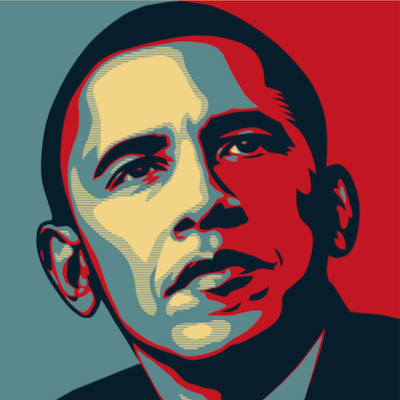
Artwork by Shepard Fairey
What is appropriation?
Appropriation in art involves using pre-existing images or objects with little or no modification. This technique has played a significant role across various art forms, including visual arts, music, performance, and literature. In visual arts, appropriation refers to the practice of adopting, sampling, recycling, or borrowing elements—or even entire forms—of existing visual culture, integrating them into new works to create meaning or critique.
RECENTLY VIEWED
-->