Poland
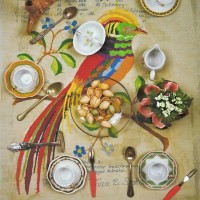
Poland's contemporary art scene mirrors the country's dynamic history and cultural evolution. Pioneering artists like Pawe? Althamer and Aneta Grzeszykowska continually push boundaries through their innovative works. Key institutions such as the Centre of Contemporary Art in Warsaw and the MOCAK in Krakow serve as stages for this vibrant discourse. For an immersive experience into Poland's thriving contemporary art scene, explore Composition Gallery's website.
Show All
- Show All
- Established
- Discoveries
Show All
ARTWORKS RELATED TO POLAND

Wilhelm Sasnal
Damned Youth, 2011
Limited Edition Print
Linocut
Currently Not Available
Related Articles
Popular, Artists - November 28, 2025
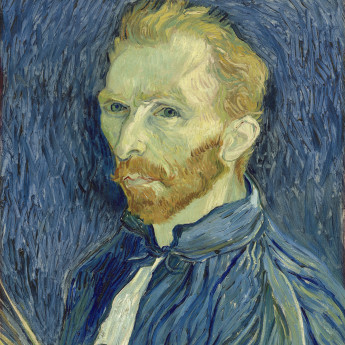
From Self-Portraits to Selfies: The Evolution of Self-Expression in Art
Explore the evolution of self-portraits to selfies—from Rembrandt to Instagram—revealing how art and identity intertwine across centuries. Read More

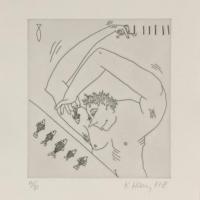
Etching is a technique where a design is created on a metal surface by using a strong acid or mordant to eat away the unprotected parts of the metal, leaving the desired pattern in relief (intaglio). In modern art and manufacturing, different chemicals may be used depending on the material being etched.
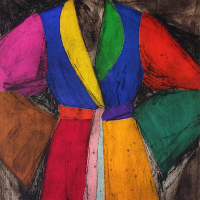
Neo-Dada is a minor visual and audio art movement with intents similar to those of Dada artwork. While it revives some of Dada's objectives, Neo-Dada emphasizes the importance of the produced artwork rather than the concept behind it. The movement is considered the foundation of Pop Art, Nouveau Réalisme, and Fluxus. Neo-Dada is known for its use of absurdist contrasts, popular imagery, and modern materials, blending high and low culture in a way that challenges traditional artistic conventions.