
Details
Artist
Styles
signed by the artist; framed // David Bowie, Diamond Dogs London by Terry O'Neill is a striking black-and-white photograph taken in 1975, capturing the iconic musician David Bowie during his Diamond Dogs era. Bowie is seated confidently in a theatrical, androgynous outfit with a wide-brimmed hat and high-heeled boots, embodying his avant-garde style. Beside him, a large dog leaps upward, mouth open mid-howl, adding an unpredictable, wild energy to the image. This photograph juxtaposes Bowie’s calm, composed presence with the dynamic movement of the dog, symbolizing the duality of control and chaos that defined his persona. Signed by O'Neill, this limited-edition print immortalizes Bowie’s bold, transformative spirit and his boundary-pushing approach to art.
David Bowie, Diamond Dogs London, 1975
form
Medium
Size
76.2 x 50.8 cm
- Inches
- Centimeters
Edition
Price
Details
Artist
Styles
signed by the artist; framed // David Bowie, Diamond Dogs London by Terry O'Neill is a striking black-and-white photograph taken in 1975, capturing the iconic musician David Bowie during his Diamond Dogs era. Bowie is seated confidently in a theatrical, androgynous outfit with a wide-brimmed hat and high-heeled boots, embodying his avant-garde style. Beside him, a large dog leaps upward, mouth open mid-howl, adding an unpredictable, wild energy to the image. This photograph juxtaposes Bowie’s calm, composed presence with the dynamic movement of the dog, symbolizing the duality of control and chaos that defined his persona. Signed by O'Neill, this limited-edition print immortalizes Bowie’s bold, transformative spirit and his boundary-pushing approach to art.
- Recently Added
- Price (low-high )
- Price (high-low )
- Year (low-high )
- Year (high-low )

Terry O'Neill
Brigitte Bardot, Deauville, 1968
Photography
Gelatin Silver Print
Currently Not Available

Terry O'Neill
Frank Sinatra On The Board Walk, 1968
Limited Edition Print
Photograph
Currently Not Available

Terry O'Neill
Tin Pan Alley, 1963
Photography
Photograph
Currently Not Available
Related Artists


Related Articles
Collecting - March 27, 2025
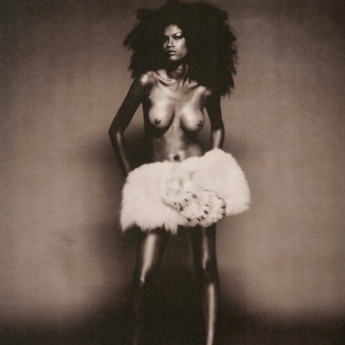
Collecting Photography: A Beginner’s Guide to Fine Art Photos
Learn how to collect fine art photography—from print types and editioning to care tips and top photographers like Adams, Sherman, and Gursky. Read More

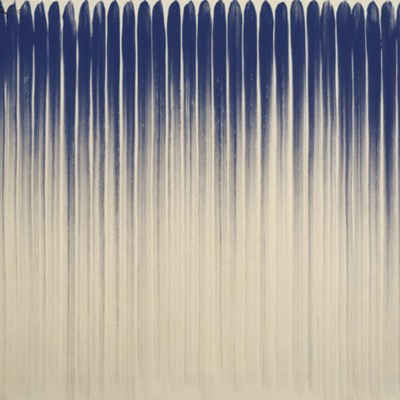
What is Mono-Ha?
Meaning School of Things, Mono-ha originated in Tokyo in the mid-1960s. Instead of creating traditional artwork, the artists of Mono-ha used different materials and their natural properties to express dismay at the industrialization taking place in Japan at the time. The movement gained international attention and is now a widely respected form of art, known for its emphasis on the relationship between materials and their environment.