
Engraved black plastic with the word « EGOÏSTE », signed and numbered on the back fron an edition of 100 copy.
Size : 14,8 x 21 cm
Artwork Copyright © Sylvie FleurySylvie Fleury (Switzerland, 1961) is a contemporary artist known for blending Pop Art and feminism. Her works often recontextualize luxury goods, fashion, and consumer culture, using humor and critique to explore themes of desire, identity, and societal values.
Artwork Copyright © Sylvie FleuryEGOÏSTE, 1997
Form
Medium
Size
- Inches
- Centimeters
Edition
Price
Available works →
- Authenticity Guaranteed
- Insured Shipping
- Online Since 2005
●
●Inventory 5534
●Signed
●Comes with gallery invoice and certificate
●Sell Us a Similar Artwork. Learn more.
Engraved black plastic with the word « EGOÏSTE », signed and numbered on the back fron an edition of 100 copy.
Size : 14,8 x 21 cm
Artwork Copyright © Sylvie FleurySylvie Fleury (Switzerland, 1961) is a contemporary artist known for blending Pop Art and feminism. Her works often recontextualize luxury goods, fashion, and consumer culture, using humor and critique to explore themes of desire, identity, and societal values.
Artwork Copyright © Sylvie Fleury- Recently Added
- Price (Low-High)
- Price (High-Low)
- Year (Low-High)
- Year (High-Low)
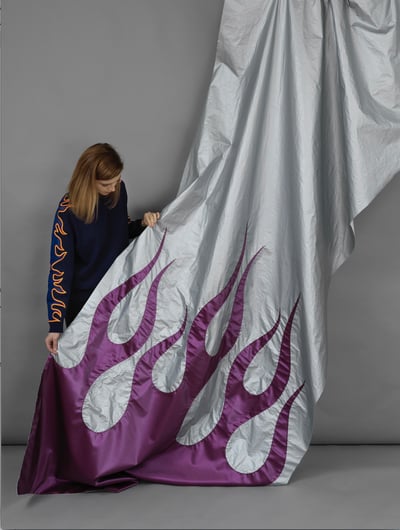
Sylvie Fleury
Gate of hell (purple), 2017
Tapestry
Textile
EUR 6,000

Sylvie Fleury
Gate of hell (red), 2017
Tapestry
Textile
EUR 6,000
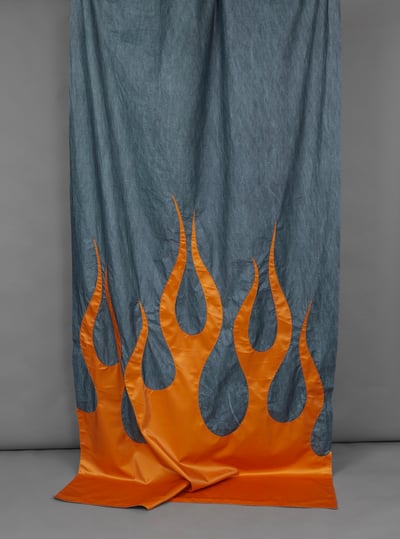
Sylvie Fleury
Gate of hell (orange), 2017
Tapestry
Textile
EUR 6,000
Related Artists
Related Articles
Popular, Artists, Collecting - September 8, 2026
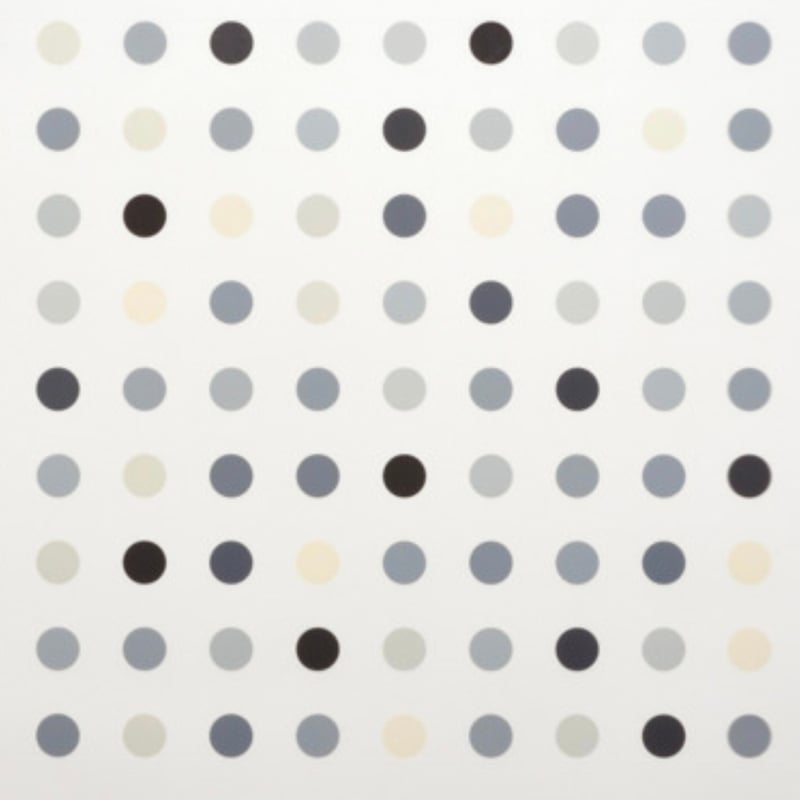
Damien Hirst’s Spot Prints and the Language of Pharmaceuticals
Explore Damien Hirst Spot prints, from pharmaceutical etchings and woodcuts to later editions, with guidance on titles, edition sizes and signatures.Read More

Artwork by Miles Aldridge
What is contemporary art?
Contemporary art refers to avant-garde or innovative art created in the recent past or present day. The exact starting point of contemporary art varies depending on the institution, often tied to the founding year of museums or galleries that showcase the style. Contemporary art is characterized by its focus on current ideas, diverse media, and the exploration of new concepts and techniques.


