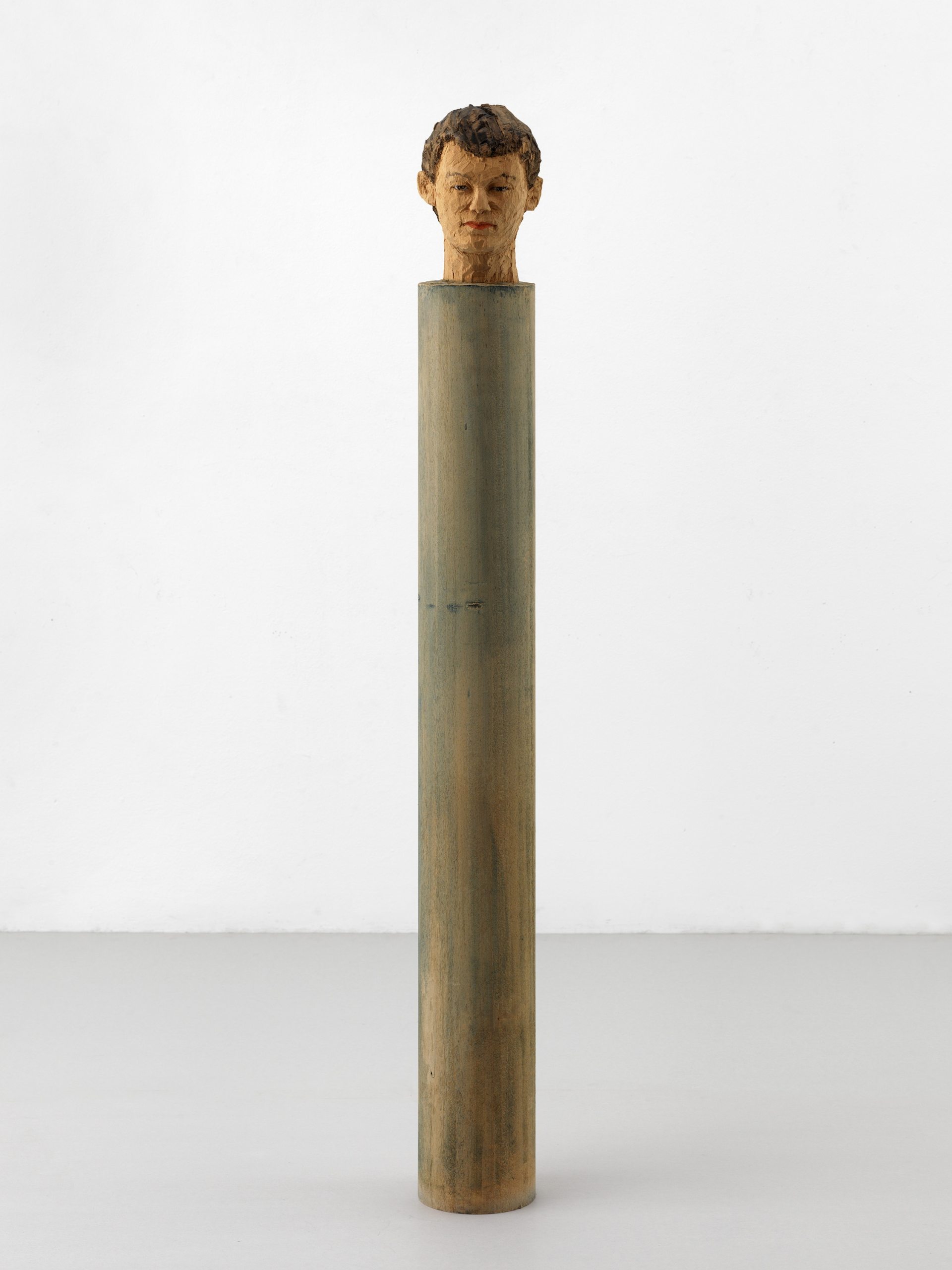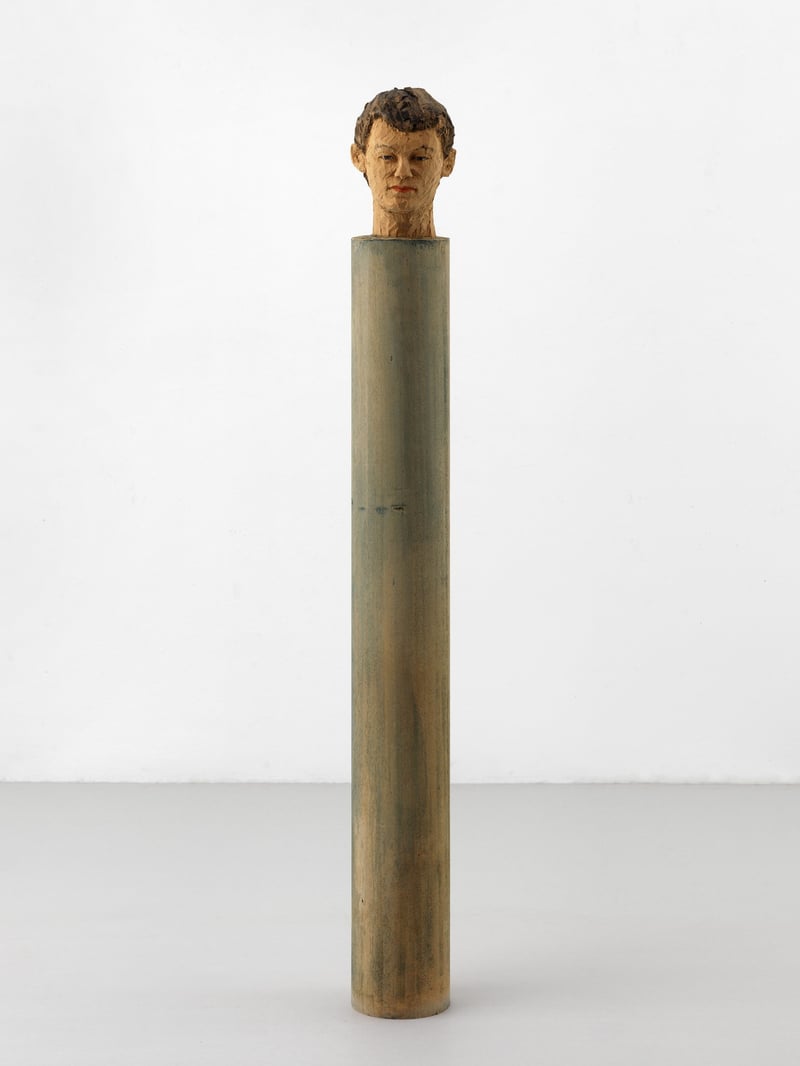
Kleine Kopfsäule, 1991
Form
Medium
Size
- Inches
- Centimeters
Edition
Price
- Authenticity Guaranteed
- Insured Shipping
- Online Since 2005
Stephan Balkenhol
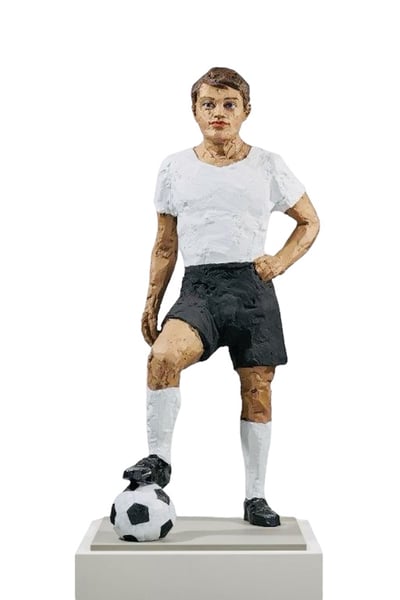
Fussballliebe, 2024
Sculpture / Object
Bronze
EUR 25,800
Stephan Balkenhol
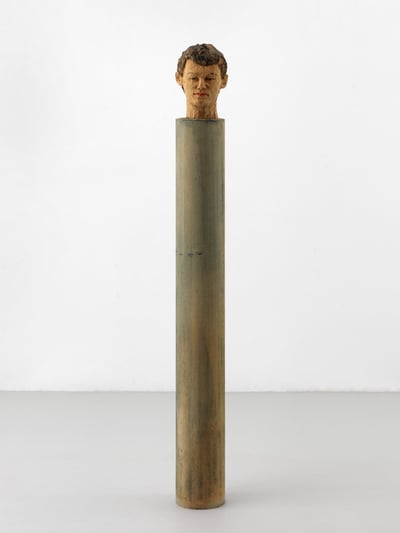
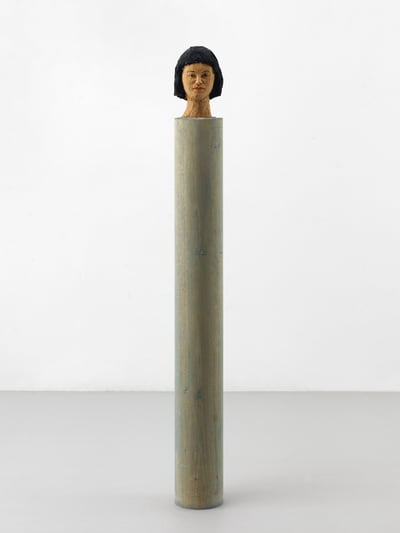
Kleine Kopfsäule, 1991
Sculpture / Object
Mixed Media
Inquire For Price
Stephan Balkenhol
Kleine Kopfsäule, 1991
Sculpture / Object
Mixed Media
Inquire For Price
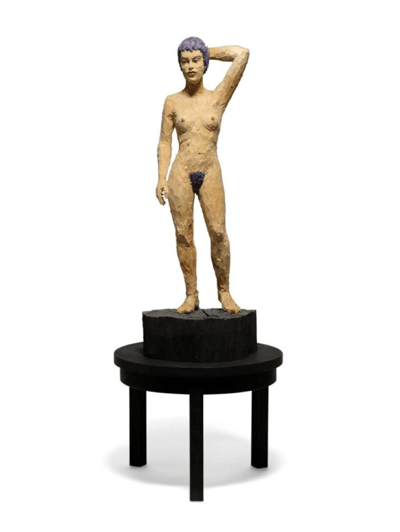
Stephan Balkenhol
Femme burlesque (Burlesque Woman), 2013
Sculpture / Object
Wood
Inquire For Price
Stephan Balkenhol
Private Listing
Sculpture / Object
request info
Stephan Balkenhol
Private Listing
Sculpture / Object
request info
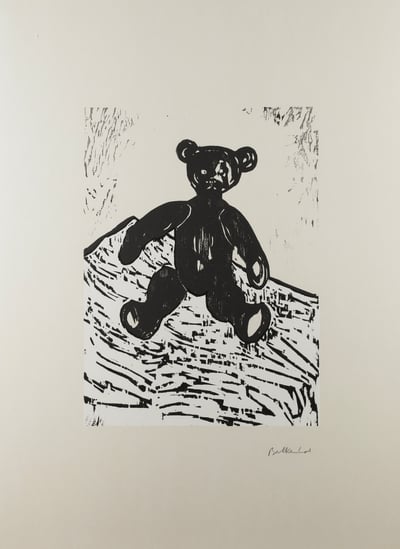
Stephan Balkenhol
Teddy, 2004
Limited Edition Print
Woodcut
EUR 1,600
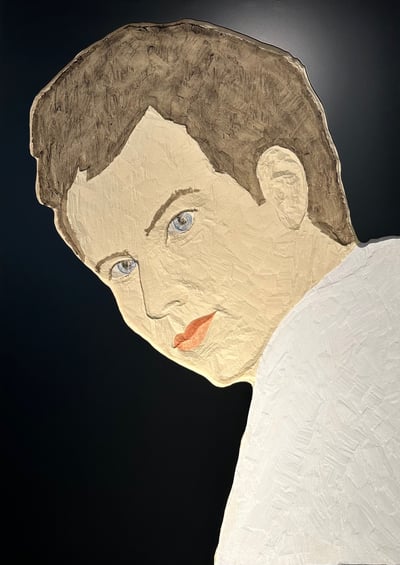
Stephan Balkenhol
Mann mit weißem Hemd, 2017 / 2023
Limited Edition Print
Mixed Media
EUR 20,000 – 25,000
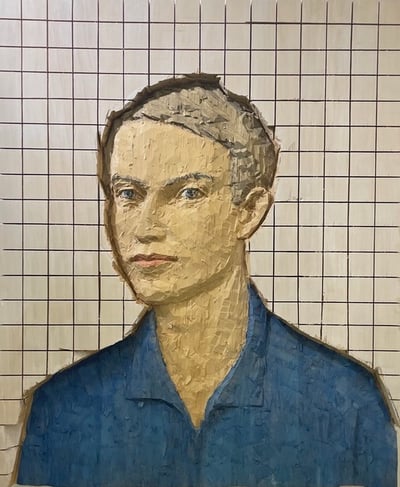
Stephan Balkenhol
Relief Mann, 2010
Sculpture / Object
Wood
EUR 60,000 – 70,000
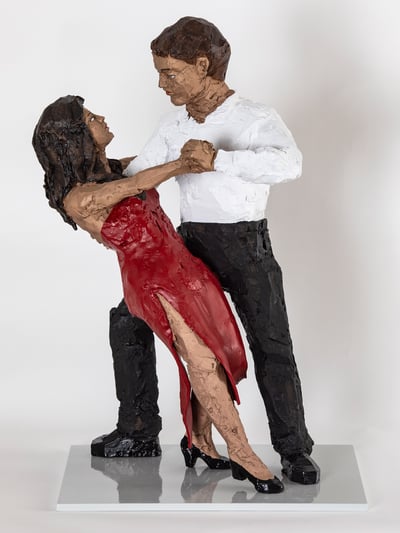
Stephan Balkenhol
Tanzendes Paar (rot), 2020
Sculpture / Object
Bronze
EUR 34,900
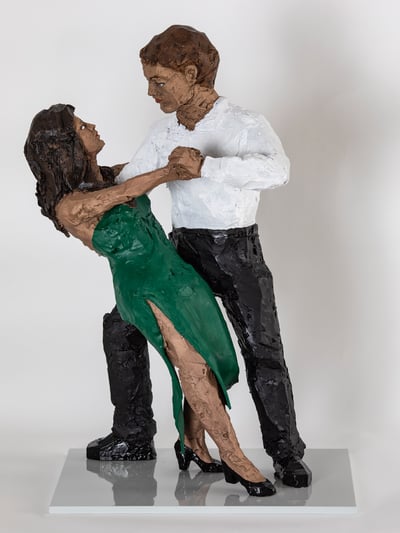
Stephan Balkenhol
Tanzendes Paar (grun), 2020
Sculpture / Object
Bronze
EUR 34,900
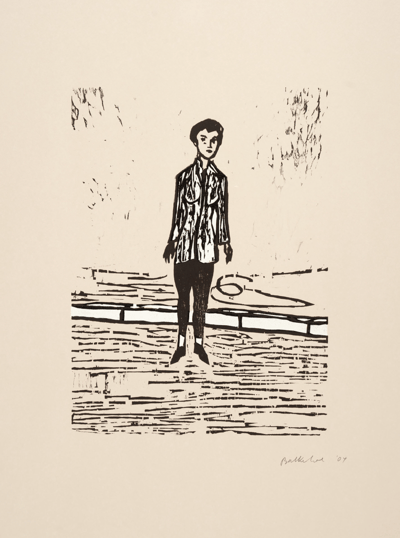
Stephan Balkenhol
Woman in white jacket, 2004
Limited Edition Print
Woodcut
EUR 1,600
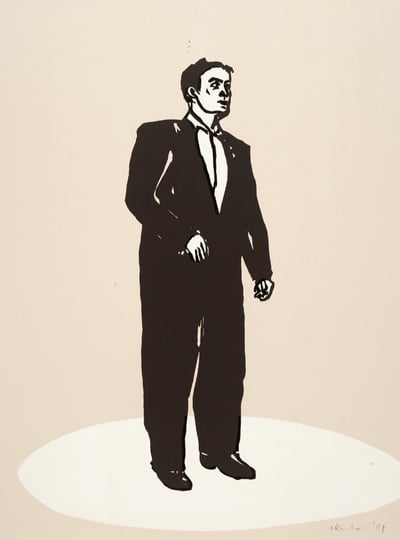
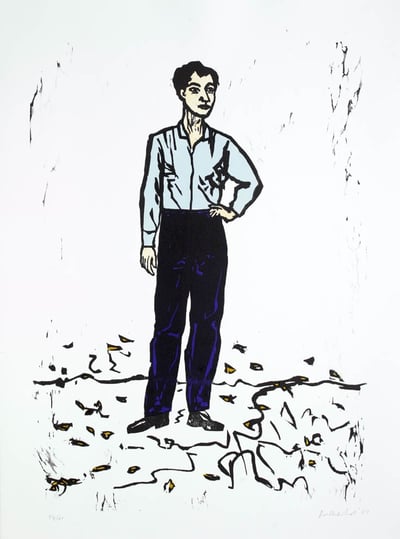
Stephan Balkenhol
Standing Man, 2004
Limited Edition Print
Woodcut
EUR 1,600
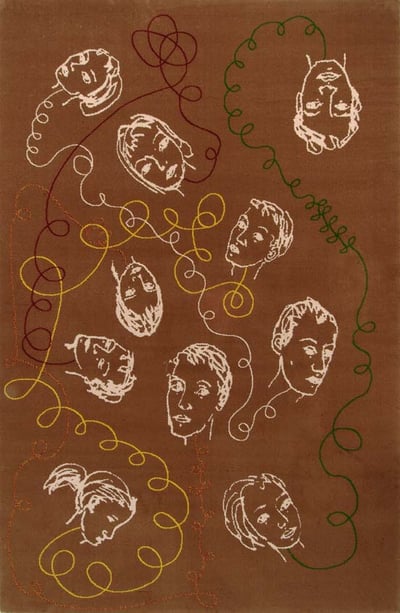
Stephan Balkenhol
Köpfe (B-large), 2006
Tapestry
Tapestry
EUR 12,000
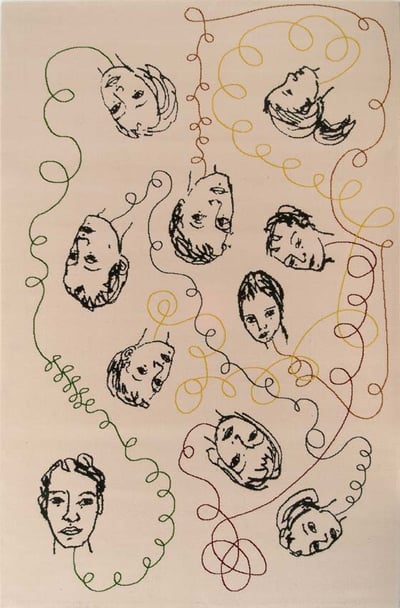
Stephan Balkenhol
Köpfe (W-large), 2006
Tapestry
Tapestry
EUR 12,000
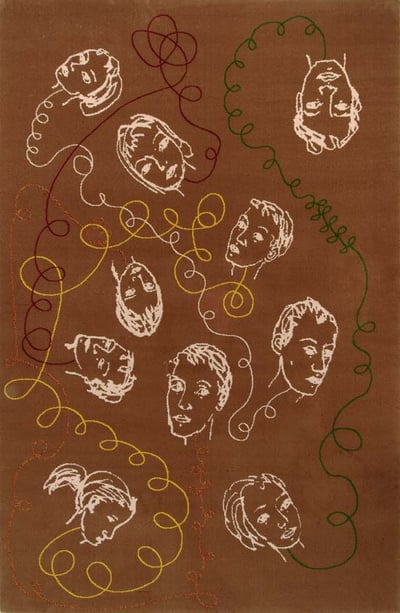
Stephan Balkenhol
Köpfe (B), 2006
Tapestry
Tapestry
EUR 6,500
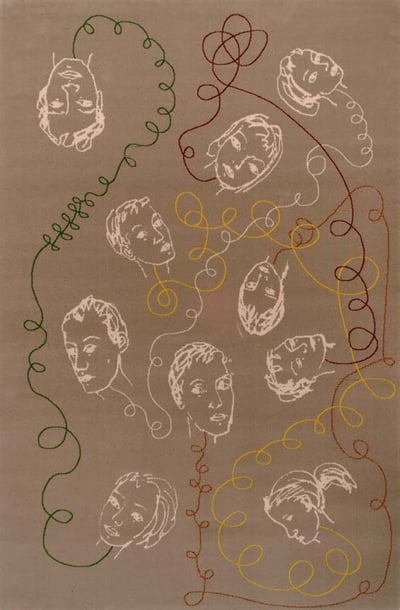
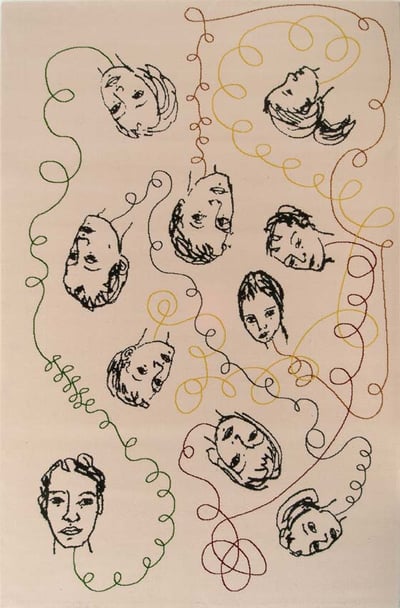
Stephan Balkenhol
Köpfe (G), 2006
Tapestry
Tapestry
EUR 6,500
Stephan Balkenhol
Köpfe (W), 2006
Tapestry
Tapestry
EUR 6,500
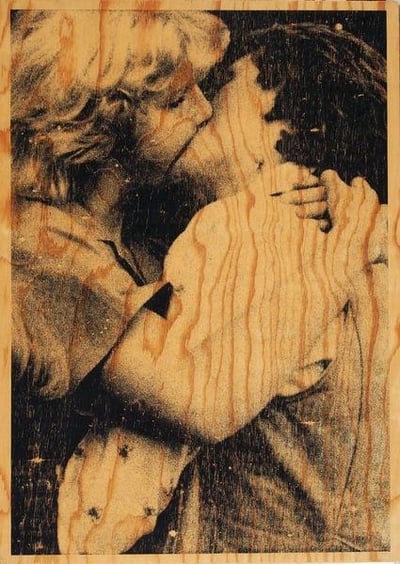
Stephan Balkenhol
Kuss , 2000
Limited Edition Print
Silkscreen
Make Your Offer
Stephan Balkenhol
Fritzlar, 2004
Limited Edition Print
Woodcut
Currently Not Available
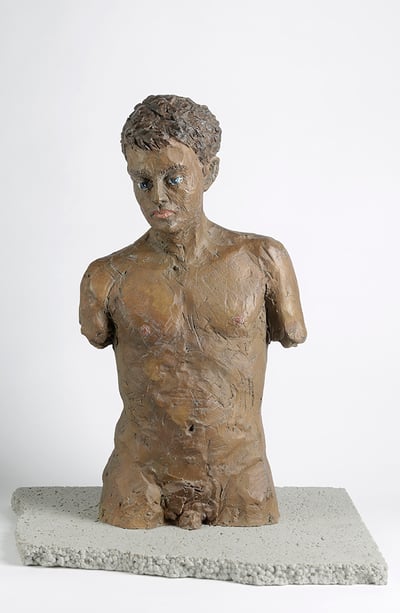
Stephan Balkenhol
Male torso, 2012
Sculpture / Object
Bronze
Currently Not Available
Related Artists
Related Articles
Collecting - March 25, 2025
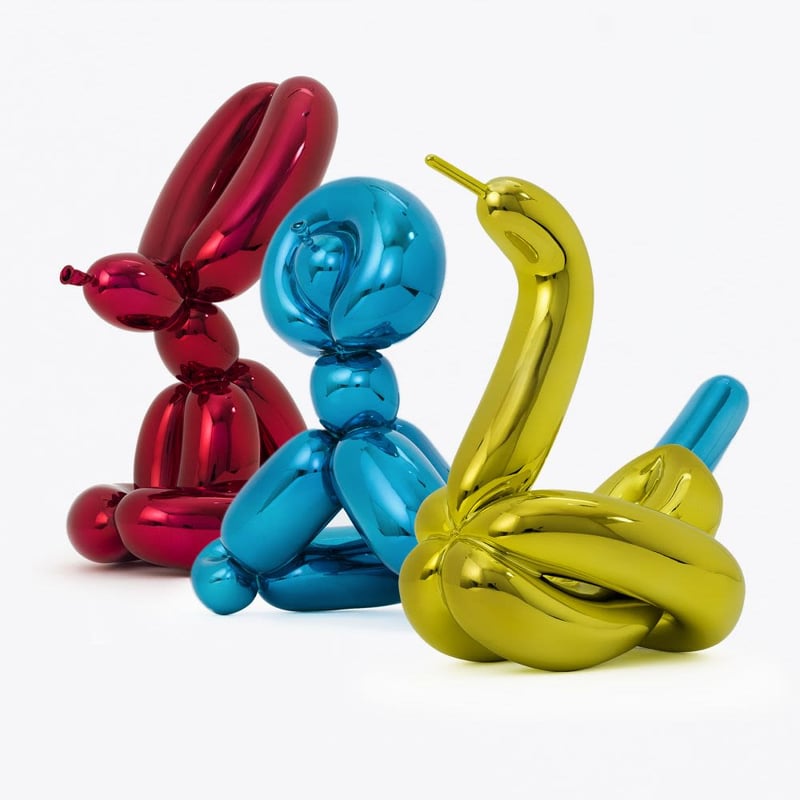
Understanding Editioned Sculptures: What Collectors Need to Know
Explore the value of editioned sculptures, from bronze to electric art. Learn how edition size, material, and artist impact collectability.Read More
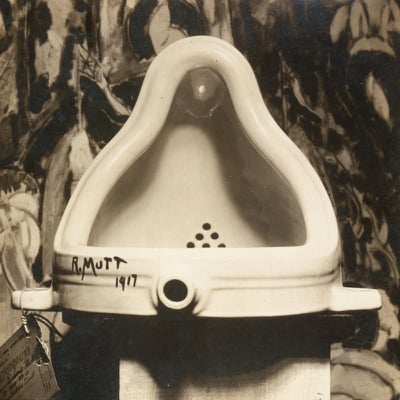
What is Found Object?
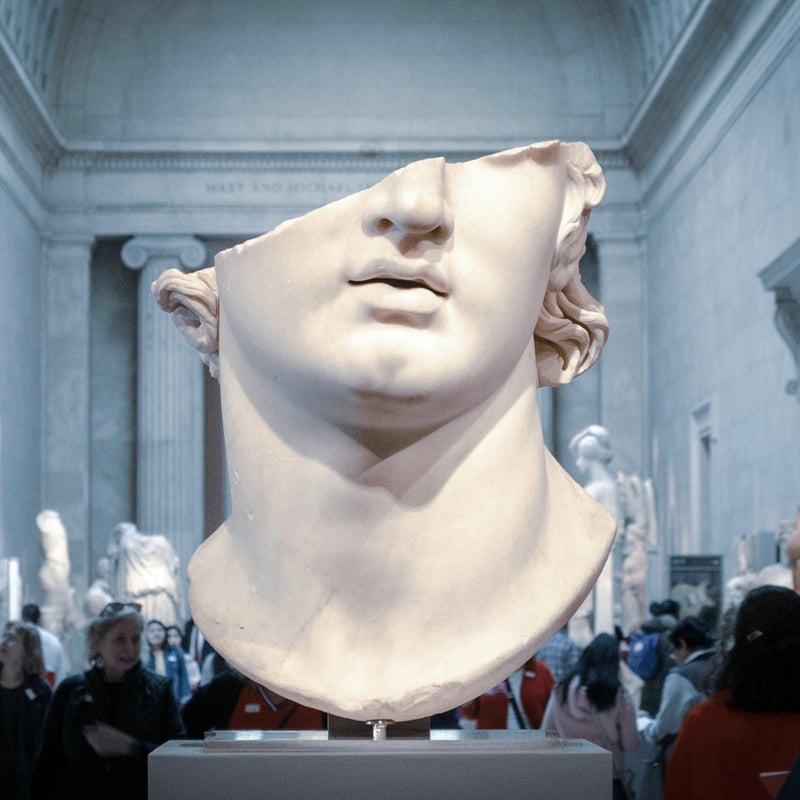
A found object is a term used to describe a man-made or natural object, or a fragment of one, that an artist discovers or purchases and keeps for inspiration or as a work of art. The artist may also modify the object or incorporate it into a collage or assemblage, transforming it into a new piece of art.