Details
Artist
Styles
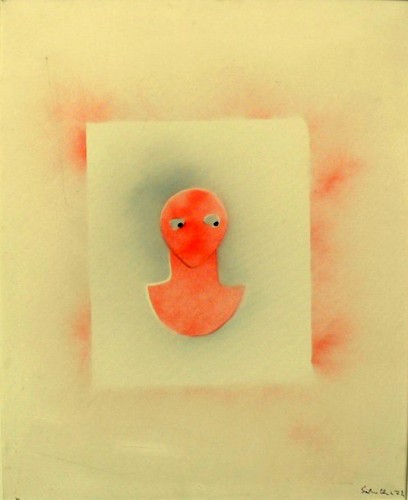
Già Collezione Livio Collina Bologna. // Sandro Chia's Figura (1974) is a contemplative painting that merges simplicity with surreal charm. Rendered in oil on canvas, the artwork centers on an abstract figure, reminiscent of a duck or bird, with wide eyes that give it a playful, almost childlike expression. The figure is set against a softly textured background, where subtle hues of red and grey create a gentle aura around it, emphasizing the subject's central placement. Chia’s minimalist approach allows viewers to engage with the form on an emotive level, evoking themes of innocence, identity, and introspection. Part of the Già Collezione Livio Collina in Bologna, Figura showcases Chia’s skill in blending whimsy with deeper, reflective undertones.
Details
Artist
Styles
Già Collezione Livio Collina Bologna. // Sandro Chia's Figura (1974) is a contemplative painting that merges simplicity with surreal charm. Rendered in oil on canvas, the artwork centers on an abstract figure, reminiscent of a duck or bird, with wide eyes that give it a playful, almost childlike expression. The figure is set against a softly textured background, where subtle hues of red and grey create a gentle aura around it, emphasizing the subject's central placement. Chia’s minimalist approach allows viewers to engage with the form on an emotive level, evoking themes of innocence, identity, and introspection. Part of the Già Collezione Livio Collina in Bologna, Figura showcases Chia’s skill in blending whimsy with deeper, reflective undertones.
- Recently Added
- Price (low-high )
- Price (high-low )
- Year (low-high )
- Year (high-low )
Sandro Chia
Untitled (Columbus: In Search Of A New Tomorrow), 1992
Limited Edition Print
Screen-print
Inquire For Price

Sandro Chia
Senza Titolo (Tavolo), 2001
Sculpture / Object
Mixed Media
Inquire For Price

Sandro Chia
Lonely Explore, 1991
Limited Edition Print
Lithograph
EUR 1,900

Sandro Chia
Elektra, 1995
Limited Edition Print
Mixed Media
EUR 2,500

Sandro Chia
Figure Con Albero, 1994
Sculpture / Object
Ceramic
EUR 7,300

Sandro Chia
Volti (faces)
Limited Edition Print
Etching And Aquatint
EUR 1,300

Sandro Chia
Untitled (Portrait), 1991
Limited Edition Print
Etching
EUR 2,100

Sandro Chia
Figura, 1974
Painting
Oil On Canvas
EUR 9,500

Sandro Chia
Disegno Di Donna, 1974
Painting
Oil On Canvas
EUR 9,500
Related Artists


Related Articles
Popular, Collecting - July 23, 2025
Sculpture Care and Display: From Plinths to Pedestals in Your Home
Learn how to display and care for sculpture at home—from lighting tips to material care—so your art can truly shine in any space. Read More
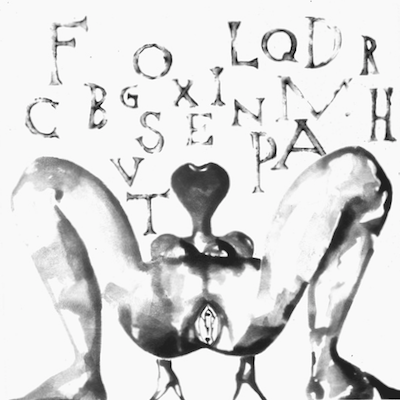
What is Transvanguardia ?
Transavanguardia is the Italian version of Neo-Expressionism, referring to an art movement that emerged in Italy and other parts of Western Europe during the 1970s and 1980s. The term translates to beyond the avant-garde. Transavanguardia arose as a reaction against the dominance of conceptual art, reintroducing emotion and reviving painting as a primary medium. The movement marked a return to mythic imagery and figurative art, celebrating a rediscovery of traditional forms and themes in a contemporary context.