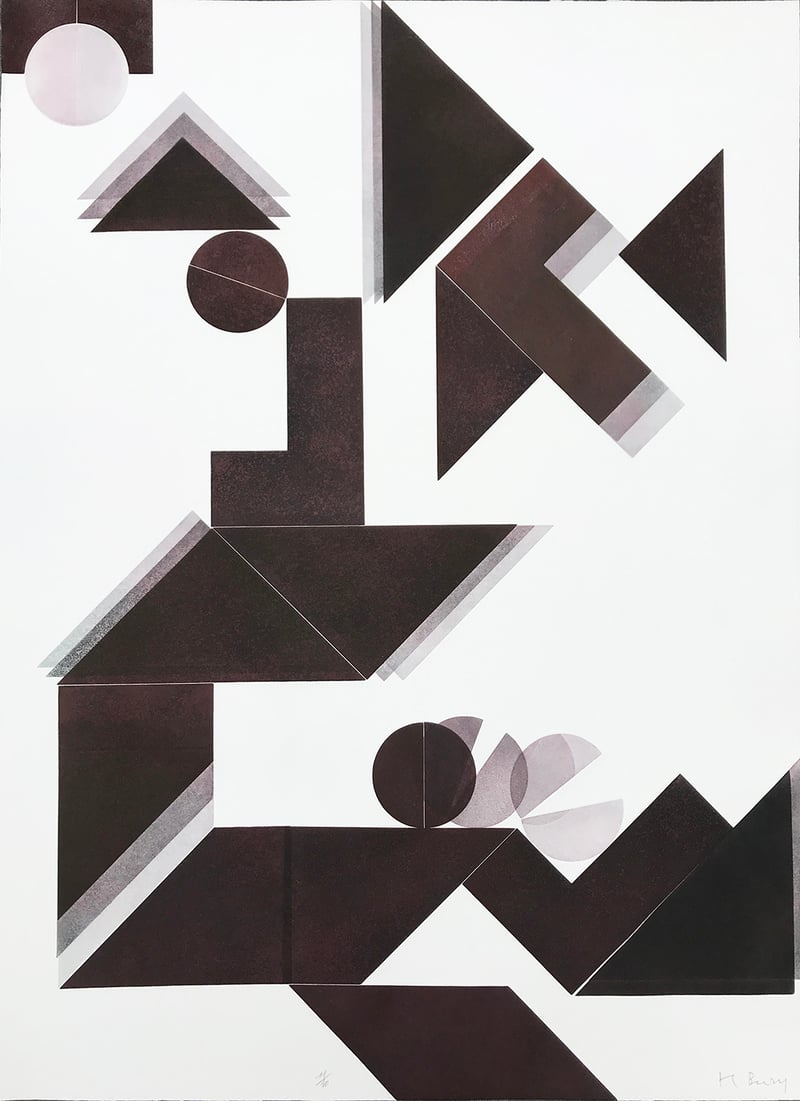
Des idées et des ombres 1, 1973
Form
Medium
Size
- Inches
- Centimeters
Edition
Price
- Authenticity Guaranteed
- Insured Shipping
- Online Since 2005
Pol Bury
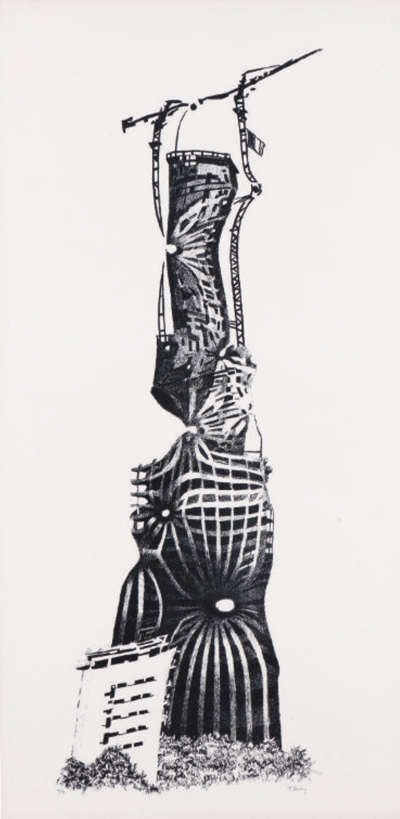
Senza titolo, 1980
Limited Edition Print
Screen-print
EUR 1,950

Pol Bury
Des idées et des ombres 2, 1973
Limited Edition Print
Etching
EUR 1,250
Pol Bury
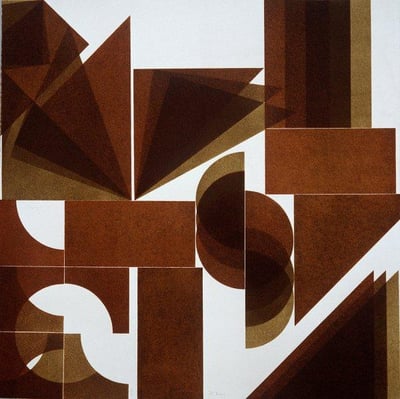
Presenza grafica, 1973
Limited Edition Print
Etching and Aquatint
Currently Not Available
Pol Bury
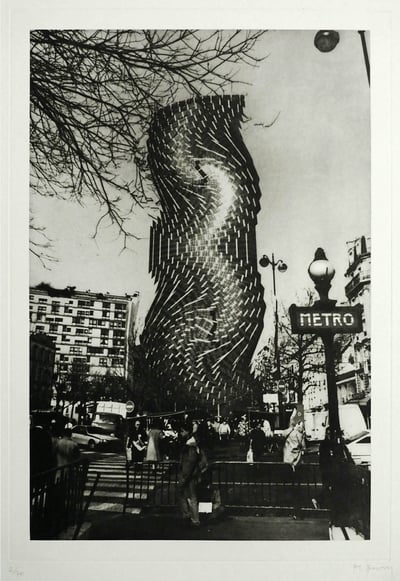
Tour Montparnasse, 1990
Limited Edition Print
Etching
Currently Not Available

Pol Bury
Des idées et des ombres 1, 1973
Limited Edition Print
Etching
Currently Not Available
Related Artists
Related Articles
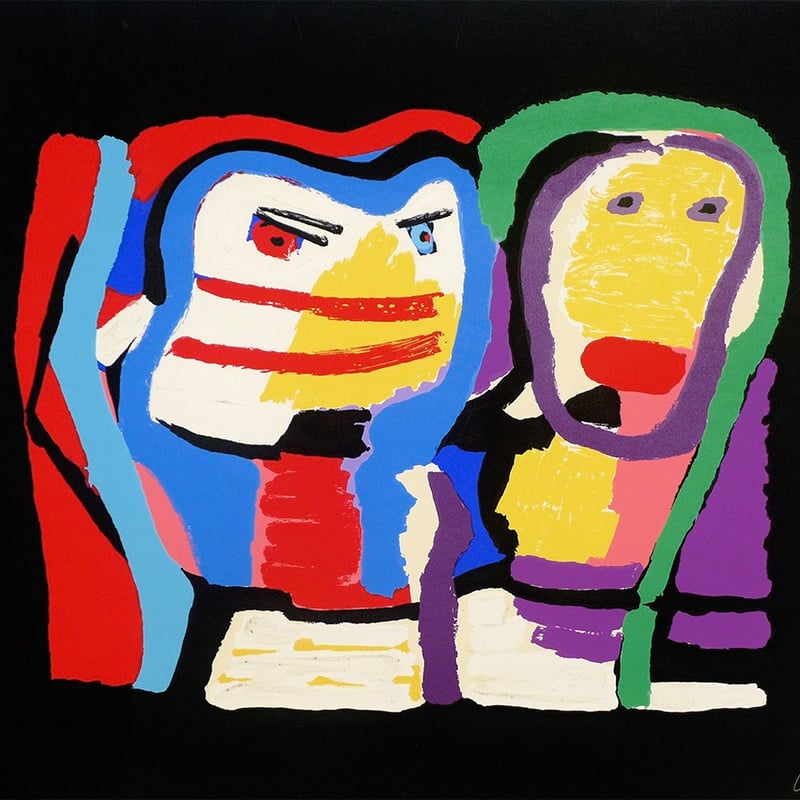
Art Movements - November 21, 2022
Botch, Blotch and Splotch: The Exuberant Maelstrom of the Cobra Art Movement.
Explore the CoBrA movement’s bold creativity, blending raw expression and experimentation. Discover its impact on post-war art and avant-garde traditions.Read More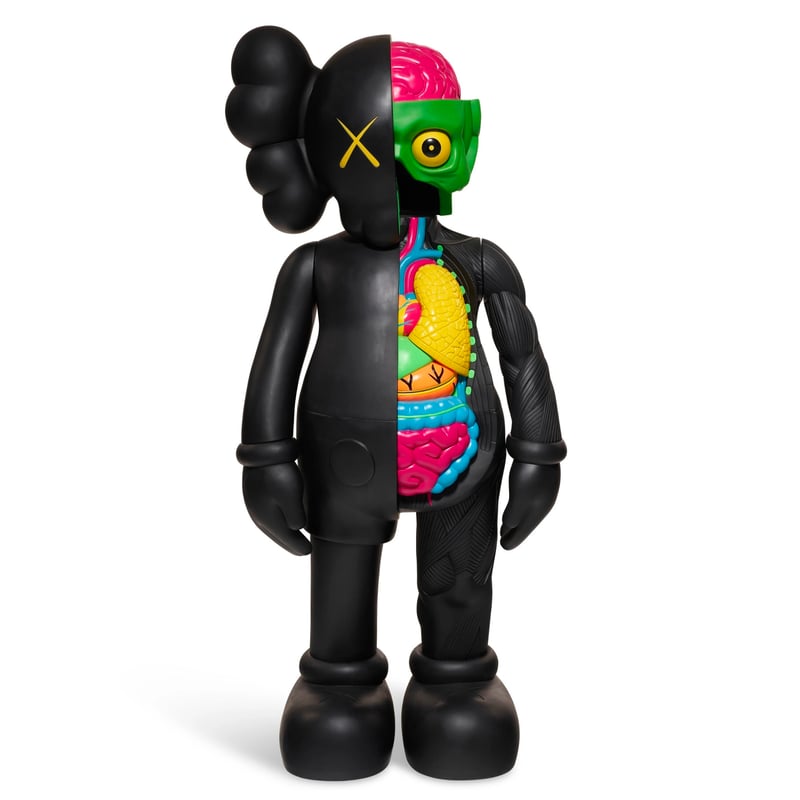
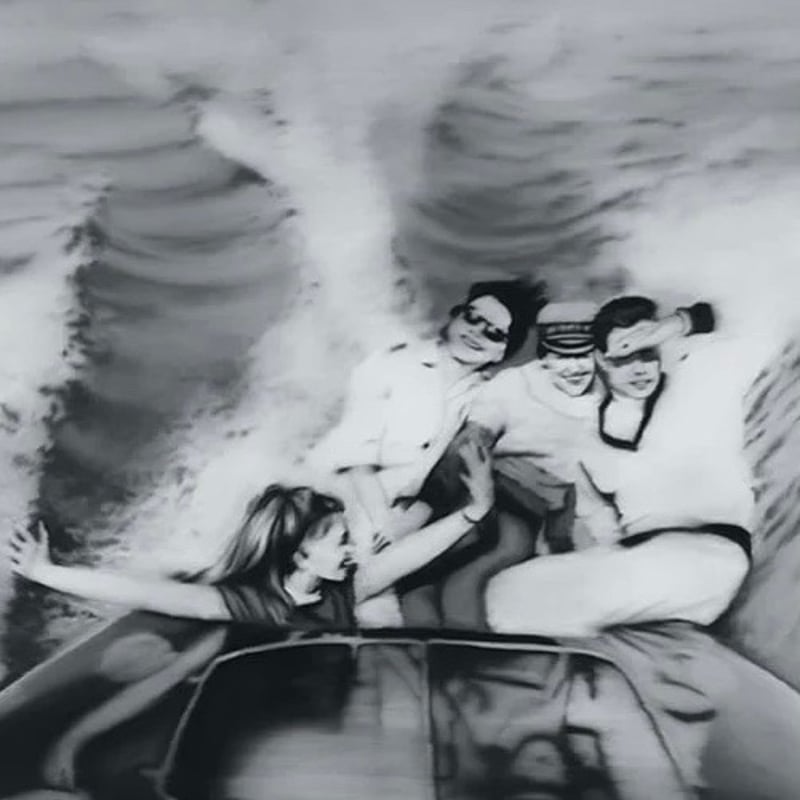
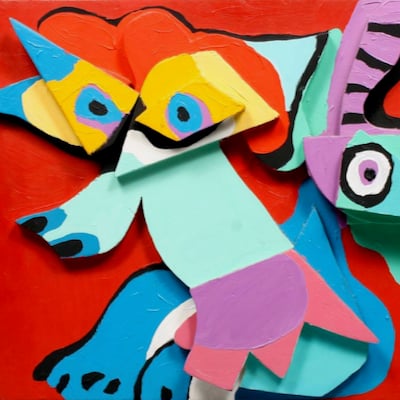
What is the CoBrA movement?
CoBrA stands for Copenhagen, Brussels, and Amsterdam; the group was formed with a desire to break away from the existing art movements of the time. Their critique of Western society led them to experiment and evolve into a significant international movement. CoBrA was founded on November 8, 1948, at the Notre Dame Café in Paris, where its manifesto was signed by Karel Appel, Joseph Noiret, Corneille, Christian Dotremont, Constant, and Asger Jorn. The group was united by a shared commitment to freedom in both form and color, and their work emphasized experimentation and spontaneity.

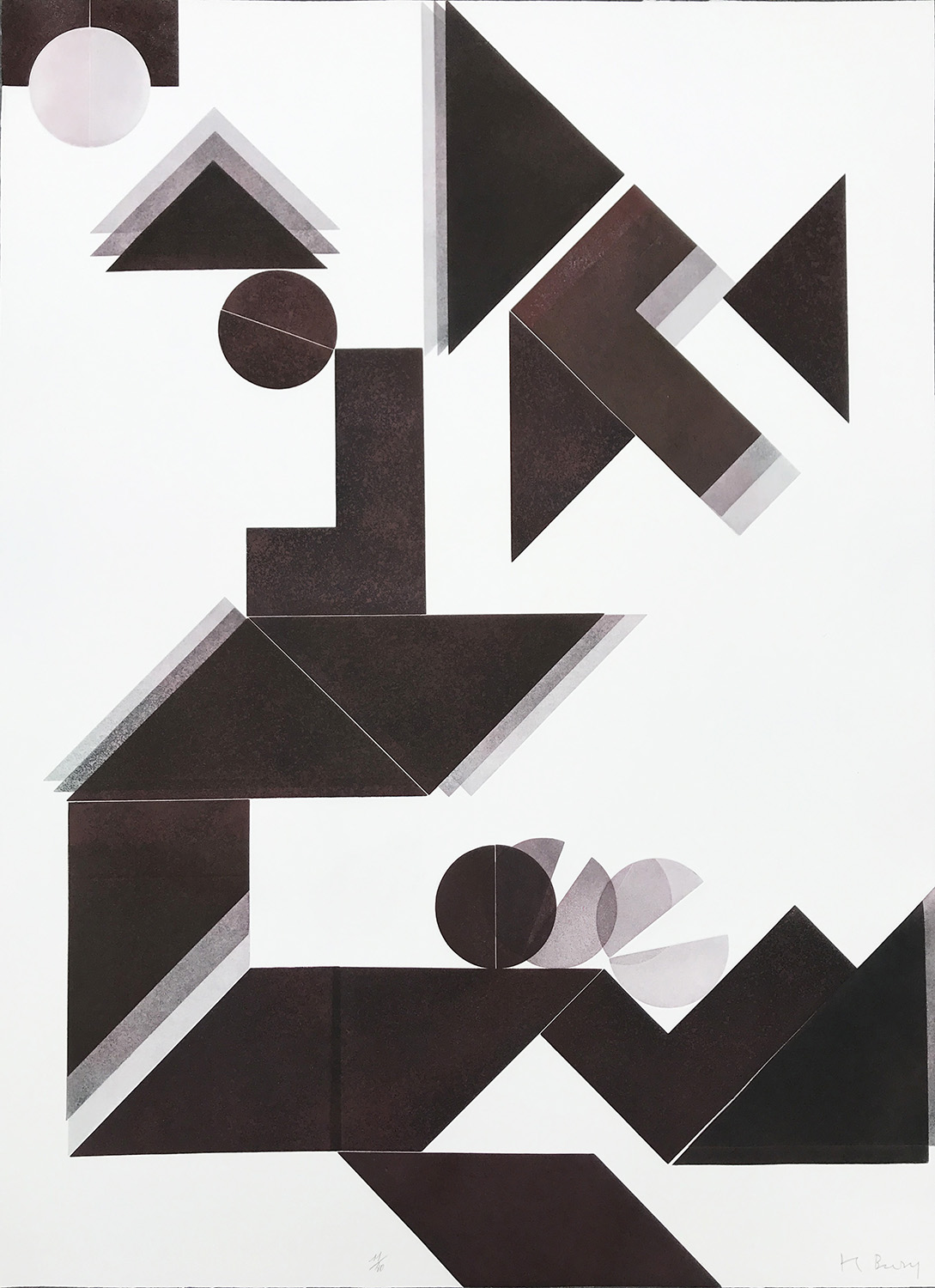
Pol Bury
Des idées et des ombres 1, 1973
95 x 70 cm


