Details
Artist
Styles
Etching, aquatint and monotype // A Super Cell Arctic Vortex Ripped... by Nathan Carter, created in 2014, is a lively mixed-media print combining etching, aquatint, and monotype techniques. Set against a bright blue background with swirling lines and geometric shapes, the composition portrays an imaginative landscape of industrial towers and structures that seem animated by swirling arctic winds. The bold colors—black, red, and white—contrast sharply with the blue background, adding dynamism to the piece. The whimsical structures, with wires and pipes extending in various directions, evoke a sense of movement and energy, suggesting a surreal cityscape caught in a powerful atmospheric event. Carter’s playful style invites viewers to immerse themselves in this fantastical, wind-swept scene.
A super cell arctic vortex ripped........, 2014
form
Medium
Size
67 x 78.5 cm
- Inches
- Centimeters
Edition
Price
- USD
- EUR
- GBP
Details
Artist
Styles
Etching, aquatint and monotype // A Super Cell Arctic Vortex Ripped... by Nathan Carter, created in 2014, is a lively mixed-media print combining etching, aquatint, and monotype techniques. Set against a bright blue background with swirling lines and geometric shapes, the composition portrays an imaginative landscape of industrial towers and structures that seem animated by swirling arctic winds. The bold colors—black, red, and white—contrast sharply with the blue background, adding dynamism to the piece. The whimsical structures, with wires and pipes extending in various directions, evoke a sense of movement and energy, suggesting a surreal cityscape caught in a powerful atmospheric event. Carter’s playful style invites viewers to immerse themselves in this fantastical, wind-swept scene.
- Recently Added
- Price (low-high )
- Price (high-low )
- Year (low-high )
- Year (high-low )

Nathan Carter
A Super Cell Arctic Vortex Ripped........, 2014
Limited Edition Print
Mixed Media
EUR 1,400
Related Artists


Related Articles

Popular, Artists - April 17, 2025
Eduardo Chillida: Sculptor of Space and Form
Discover Eduardo Chillida’s iconic sculptures—where space, material, and philosophy converge in powerful abstract forms and monumental works. Read More

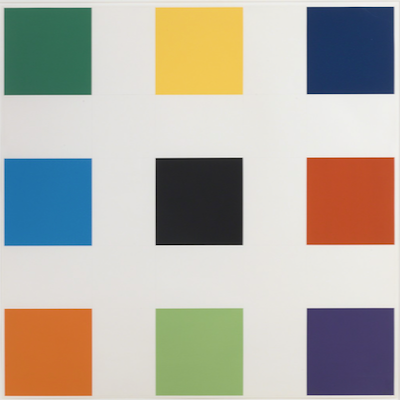
Artwork by Ellsworth Kelly
What is Hard Edge Art?
Hard Edge art is a style of abstract painting that became popular in the 1960s. It features areas of color separated by crisp, sharp edges that are painted with geometric precision. The term hard-edge painting was coined by art critic Jules Langsner to describe this approach, which contrasts with the softer, more fluid forms of other abstract styles.
RECENTLY VIEWED
-->