
Printed in 1992 in celebration of the 100th anniversary of the Olympics games
Artwork Copyright © Nam June PaikNam June Paik (South Korea/USA, 1932–2006) was a pioneering video artist and a key figure in the Fluxus movement. Often called the 'father of video art,' his innovative works combined technology, performance, and visual media. Iconic creations like TV Buddha and Electronic Superhighway redefined art in the digital age.
Artwork Copyright © Nam June PaikOlympics, 1992
Form
Medium
Size
- Inches
- Centimeters
Edition
Price
Available works →
- Authenticity Guaranteed
- Insured Shipping
- Online Since 2005
●
●Inventory 2365
●Signed
●Comes with gallery invoice and certificate
●Sell Us a Similar Artwork. Learn more.
Printed in 1992 in celebration of the 100th anniversary of the Olympics games
Artwork Copyright © Nam June PaikNam June Paik (South Korea/USA, 1932–2006) was a pioneering video artist and a key figure in the Fluxus movement. Often called the 'father of video art,' his innovative works combined technology, performance, and visual media. Iconic creations like TV Buddha and Electronic Superhighway redefined art in the digital age.
Artwork Copyright © Nam June Paik- Recently Added
- Price (Low-High)
- Price (High-Low)
- Year (Low-High)
- Year (High-Low)
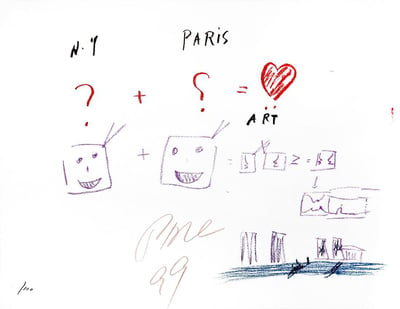
Nam June Paik
NY + Paris = Art, 1999
Limited Edition Print
Lithograph
Currently Not Available
Related Artists

Related Articles

News, Art Movements - July 28, 2023
The Conundrum of Technology's Experiment with Contemporary Art: A Mercurial Maiden Voyage
Discover how technology transforms contemporary art, blending innovation with creativity. Explore challenges of authenticity, access, and digital expression.Read More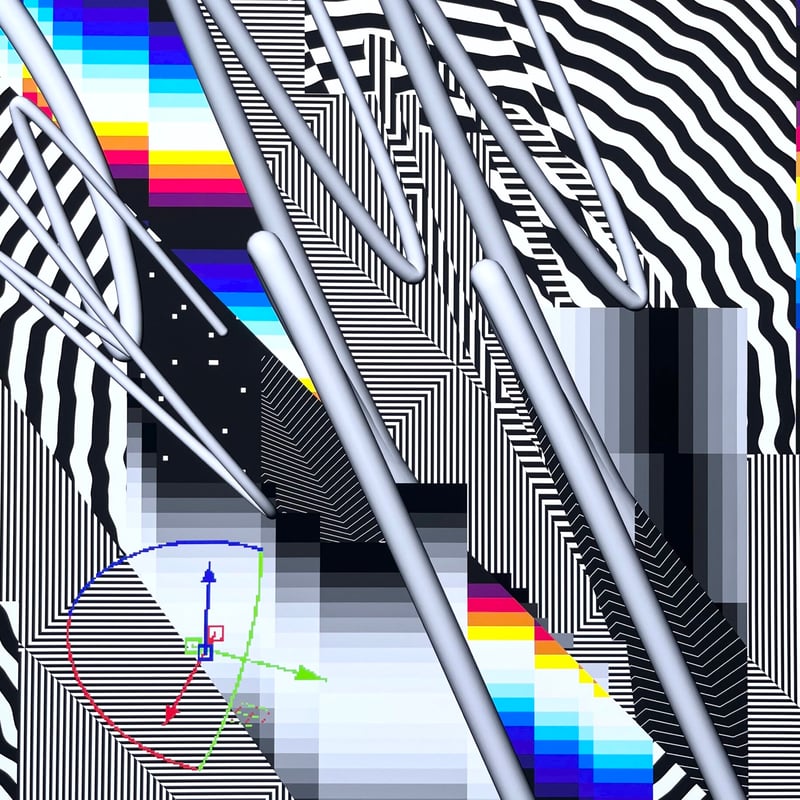

Artwork by Jesus Rafael Soto
What is kinetic art?
Kinetic art is an international movement that emerged in the 1920s and gained prominence in the 1960s, referring to art that involves both apparent and real motion. It encompasses any medium that includes movement, either relying on actual motion for its effect or being perceived as moving by the viewer. Early examples include canvas paintings designed to create optical illusions of movement. Today, kinetic art often refers to three-dimensional figures and sculptures, such as those operated by machines or those that move naturally. The movement covers a variety of styles and techniques that frequently overlap.


