Details
Artist
Styles
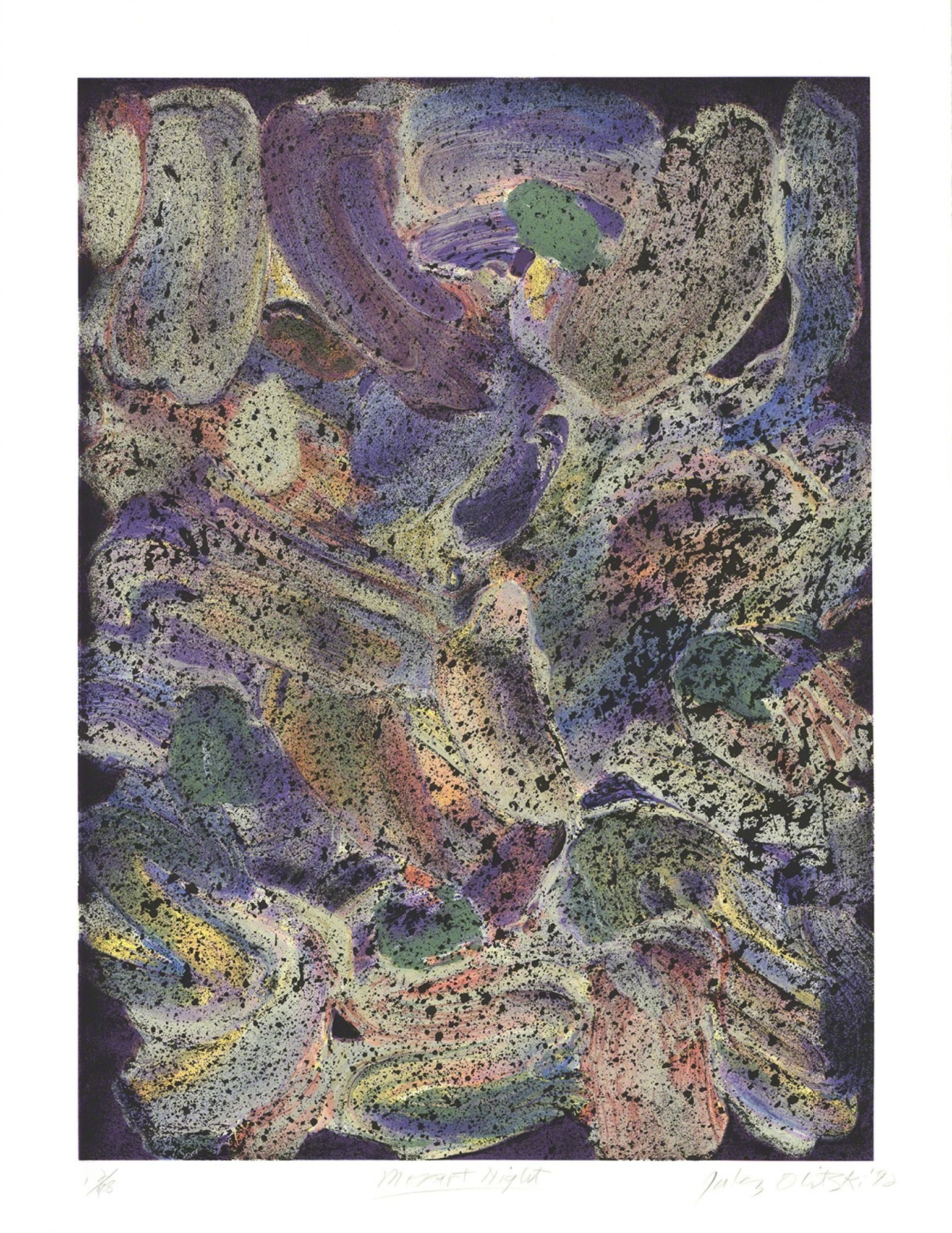
Published by The Lincoln Center for the Performing Arts Hand signed, dated, titled and numbered out of 108 in pencil by Olitski. Mozart Night (1992) by Jules Olitski is a vibrant silkscreen filled with expressive, gestural swaths of color. Swirling strokes in deep purples, bright yellows, greens, and blues intermingle with black speckled textures, creating a dynamic surface full of energy and movement. Known for his contributions to Color Field painting, Olitski brings a lyrical intensity to this print, echoing the emotional cadence of a musical composition. The title suggests a synesthetic dialogue between visual art and music, where abstract forms resonate like notes. This silkscreen is part of an edition of 108.
Mozart Night, 1992
form
Medium
Size
119.4 x 91.4 cm
- Inches
- Centimeters
Edition
Range
- USD
- EUR
- GBP
Details
Artist
Styles
Published by The Lincoln Center for the Performing Arts Hand signed, dated, titled and numbered out of 108 in pencil by Olitski. Mozart Night (1992) by Jules Olitski is a vibrant silkscreen filled with expressive, gestural swaths of color. Swirling strokes in deep purples, bright yellows, greens, and blues intermingle with black speckled textures, creating a dynamic surface full of energy and movement. Known for his contributions to Color Field painting, Olitski brings a lyrical intensity to this print, echoing the emotional cadence of a musical composition. The title suggests a synesthetic dialogue between visual art and music, where abstract forms resonate like notes. This silkscreen is part of an edition of 108.
- Recently Added
- Price (low-high )
- Price (high-low )
- Year (low-high )
- Year (high-low )
Jules Olitski
Mozart Night, 1992
Limited Edition Print
Silkscreen
USD 3,000 - 5,000

Jules Olitski
Untitled (from Graphic Suite), 1971
Limited Edition Print
Screen-print
Currently Not Available
Related Artists


Related Articles

Popular, Art Movements - November 20, 2024
Understanding Abstract Expressionism: Emotion and Gesture
Explore the emotional depth of Abstract Expressionism! Discover how artists like Pollock and Rothko used gesture and color to convey human complexity. Read More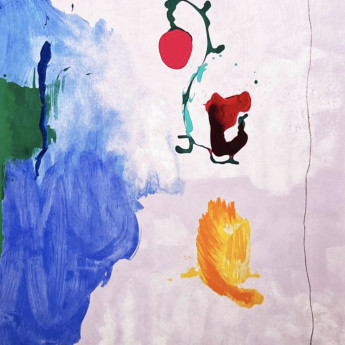

What is Colour Field Painting?
Colour Field Painting is an abstract style characterized by large areas of a single color or simple, solid colors. The term was first used in the 1950s to describe the work of three American Abstract Expressionist painters—Barnett Newman, Mark Rothko, and Clyfford Still. Their work emphasized the emotional power of color and the creation of vast, meditative spaces through expansive color fields.