
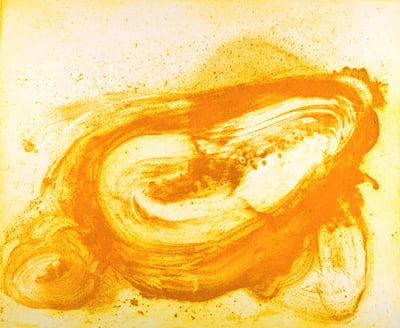
Rosa rosa-I, 1991
Form
Medium
Size
- Inches
- Centimeters
Edition
Price
- Authenticity Guaranteed
- Insured Shipping
- Online Since 2005
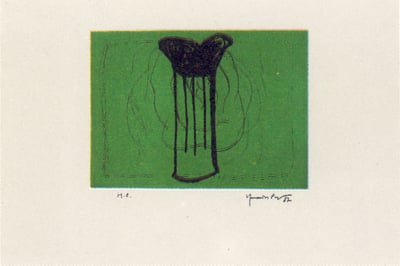
Joan Hernandez Pijuan
Gerro i flor sobre verd, 1987
Limited Edition Print
Mixed Media
EUR 850

Joan Hernandez Pijuan
Hojas, 1987
Limited Edition Print
Etching
EUR 1,950

Joan Hernandez Pijuan
La casa desde la que se divisa el campo IV, 1989
Limited Edition Print
Etching and Aquatint
EUR 2,200
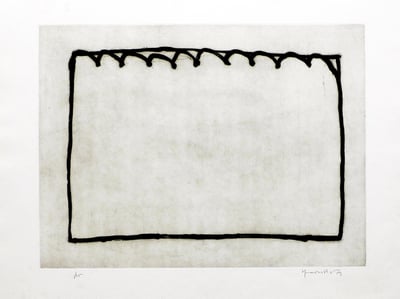
Joan Hernandez Pijuan
Recorrido para un espacio III, 1989
Limited Edition Print
Etching and Aquatint
EUR 2,200

Joan Hernandez Pijuan
Rosa blanca, 1987
Limited Edition Print
Etching and Aquatint
EUR 1,950
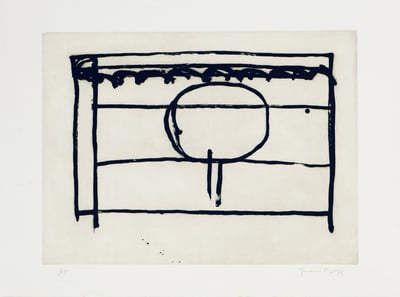
Joan Hernandez Pijuan
Recorrido para un espacio I, 1989
Limited Edition Print
Etching and Aquatint
EUR 2,200
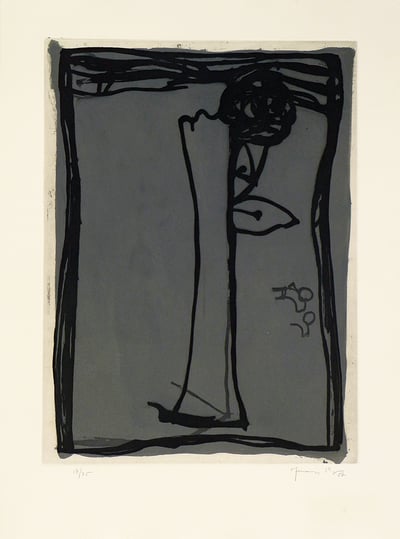
Joan Hernandez Pijuan
Jarro con rosa, 1987
Limited Edition Print
Linocut
EUR 1,950

Joan Hernandez Pijuan
Colors per un paisatge, 2004
Limited Edition Print
Lithograph
EUR 1,200

Joan Hernandez Pijuan
Catedral ocre, 1987
Limited Edition Print
Aquatint
EUR 850
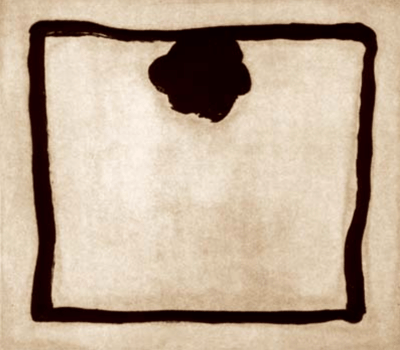
Joan Hernandez Pijuan
Pequeña Hipomea I, 2000
Limited Edition Print
Aquatint
EUR 1,560
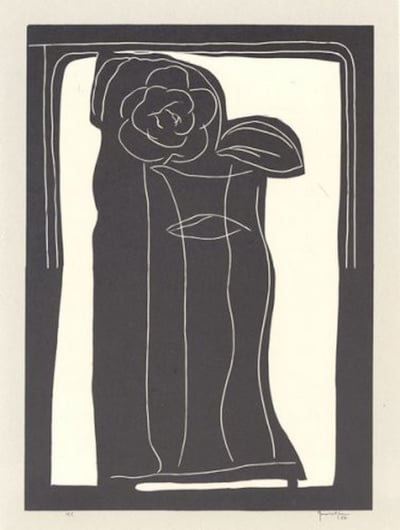
Joan Hernandez Pijuan
Gerro amb flors, 1987
Limited Edition Print
Linocut
Currently Not Available
Related Artists
Related Articles
Popular, Artists, Art Movements, Collecting - August 23, 2026
The ZERO Movement: Collecting Günther Uecker and the Art of a New Beginning
Explore the ZERO Movement and learn how to collect Günther Uecker editions, from embossed prints and sand works to multiples, provenance and condition.Read More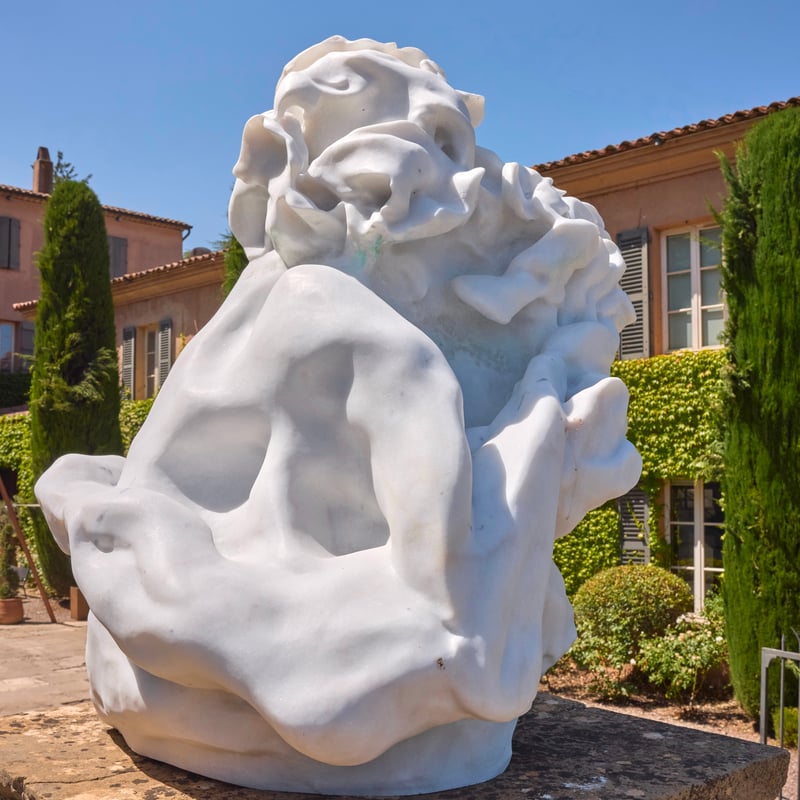
Popular, News, Artists, Collecting - August 12, 2026
In Minor Keys: Finding Intimacy and Identity at the 61st Venice Biennale — and in Your Collection
Explore how Koyo Kouoh’s 61st Venice Biennale vision, In Minor Keys, is shifting contemporary collecting toward quiet introspection, memory, and personal identity.Read More
What is abstract art?
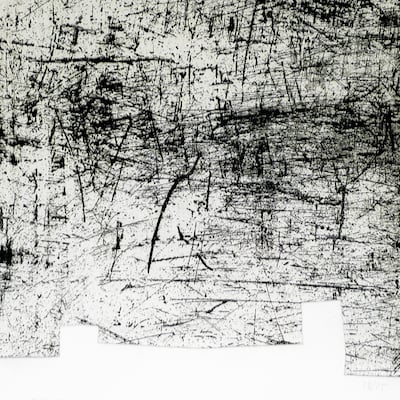
Abstract art uses form, shape, line, and color to create a visual experience without attempting to represent external reality. The composition exists independently of the world's visual references, focusing on expressing ideas and emotions through non-representational means.


