Details
Artist
Styles
Materials: wood, chipboard, clay, plaster, paint, high pressure laminate, jute, metal, glass, beans // Nature morte with broken necklace by Jan De Cock, created in 2013, is a mixed media sculpture that combines wood, chipboard, clay, plaster, paint, high-pressure laminate, jute, metal, glass, and beans. The piece is presented as a tall, cylindrical structure, mounted on a square platform, with a soft white palette that accentuates its minimalist aesthetic. At the top of the column-like base, an arrangement of objects includes a vessel and what appears to be fragments of a necklace, broken and casually draped. The restrained color scheme and diverse materials create a sense of fragility and contemplation, while the broken necklace suggests themes of impermanence, memory, and the passage of time. De Cock’s work often explores the intersections of form, function, and symbolism, inviting viewers to reflect on the transient nature of material possessions and their meanings.
Nature morte with broken necklace, 2013
form
Medium
Size
175 x 102 X 102 cm
- Inches
- Centimeters
Edition
Price
- USD
- EUR
- GBP
Details
Artist
Styles
Materials: wood, chipboard, clay, plaster, paint, high pressure laminate, jute, metal, glass, beans // Nature morte with broken necklace by Jan De Cock, created in 2013, is a mixed media sculpture that combines wood, chipboard, clay, plaster, paint, high-pressure laminate, jute, metal, glass, and beans. The piece is presented as a tall, cylindrical structure, mounted on a square platform, with a soft white palette that accentuates its minimalist aesthetic. At the top of the column-like base, an arrangement of objects includes a vessel and what appears to be fragments of a necklace, broken and casually draped. The restrained color scheme and diverse materials create a sense of fragility and contemplation, while the broken necklace suggests themes of impermanence, memory, and the passage of time. De Cock’s work often explores the intersections of form, function, and symbolism, inviting viewers to reflect on the transient nature of material possessions and their meanings.
- Recently Added
- Price (low-high )
- Price (high-low )
- Year (low-high )
- Year (high-low )

Jan De Cock
Nature Morte With Monument, 2013
Sculpture / Object
Mixed Media
EUR 19,500

Jan De Cock
Nature Morte With Broken Necklace, 2013
Sculpture / Object
Mixed Media
EUR 19,500

Jan De Cock
D53 Before Conversation Fig.154, 2006
Tapestry
Tapestry
EUR 11,000

Jan De Cock
D53 Before Converdation Fig.271, 2006
Tapestry
Tapestry
EUR 7,500

Jan De Cock
D53 Before Conversation Fig.267, 2006
Tapestry
Tapestry
EUR 7,500

Jan De Cock
D53 Before Conversation - Fig323, 2006
Tapestry
Tapestry
EUR 6,500

Jan De Cock
D53 Before Conversation - Fig275, 2006
Tapestry
Tapestry
EUR 6,500

Jan De Cock
D53 Before Conversation - Fig252, 2006
Tapestry
Tapestry
EUR 6,500
Related Artists


Related Articles

Popular, Collecting - February 21, 2025
Sculpture 101: From Clay to Bronze – How Sculptures Are Made
Discover the art of sculpture! Explore traditional techniques like carving and bronze casting, plus modern innovations like 3D printing. A journey in creativity! Read More

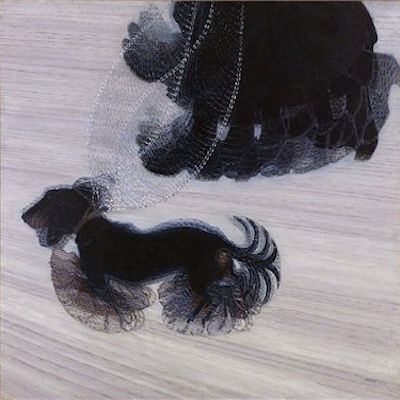
What is Futurism?
Futurism was an early 20th-century art movement that sought to capture the energy and dynamism of the modern world. The movement was launched by Italian poet Filippo Tommaso Marinetti, who published the Manifesto of Futurism on February 20, 1909. Futurism denounced the past and passionately embraced technology, industry, and the speed of modern life.