Details
Artist
Styles
// Stand by Wang Huai-Qing is a limited edition etching created in 2008, with an edition size of 60. The artwork showcases a minimalist composition of black silhouetted table-like structures of varying heights, set against a richly textured background of earthy, golden-brown hues. A faint overlay of translucent blue shapes intersects with the structures, adding a sense of layering and depth. This piece reflects Wang’s exploration of traditional Chinese furniture forms, reinterpreted as abstract symbols that convey stability and cultural heritage. The juxtaposition of solid black shapes and subtle, ethereal overlays invites contemplation on the themes of permanence and impermanence, with the stand serving as a metaphor for resilience and memory.
Stand , 2008
form
Medium
Size
76 x 112 cm
- Inches
- Centimeters
Edition
Price
- USD
- EUR
- GBP
Details
Artist
Styles
// Stand by Wang Huai-Qing is a limited edition etching created in 2008, with an edition size of 60. The artwork showcases a minimalist composition of black silhouetted table-like structures of varying heights, set against a richly textured background of earthy, golden-brown hues. A faint overlay of translucent blue shapes intersects with the structures, adding a sense of layering and depth. This piece reflects Wang’s exploration of traditional Chinese furniture forms, reinterpreted as abstract symbols that convey stability and cultural heritage. The juxtaposition of solid black shapes and subtle, ethereal overlays invites contemplation on the themes of permanence and impermanence, with the stand serving as a metaphor for resilience and memory.
- Recently Added
- Price (low-high )
- Price (high-low )
- Year (low-high )
- Year (high-low )

Huai-Qing Wang
Peace , 2012
Limited Edition Print
Etching
EUR 3,800

Huai-Qing Wang
The Families 2, 2012
Limited Edition Print
Etching
EUR 3,300

Huai-Qing Wang
The Families 1 , 2012
Limited Edition Print
Etching
EUR 4,300

Huai-Qing Wang
Day Bed-2, 2006
Limited Edition Print
Etching
EUR 4,300

Huai-Qing Wang
Stand , 2008
Limited Edition Print
Etching
EUR 4,600

Huai-Qing Wang
Moon Light On The Table , 2008
Limited Edition Print
Etching
EUR 4,300

Huai-Qing Wang
Half Table Half Chair , 2008
Limited Edition Print
Etching
EUR 4,300

Huai-Qing Wang
Searching , 2008
Limited Edition Print
Etching
EUR 4,300

Huai-Qing Wang
A Table In Two Dimension , 2008
Limited Edition Print
Etching
EUR 4,000

Huai-Qing Wang
Another Space , 2002
Limited Edition Print
Etching
EUR 4,300

Huai-Qing Wang
Walking , 2006
Limited Edition Print
Etching
EUR 4,300
Related Artists


Related Articles
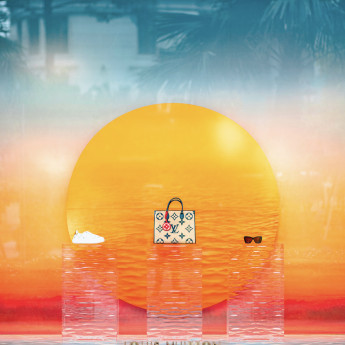
Popular, Art Movements - November 19, 2025
High Art, Haute Couture: When Artists and Fashion Collide
Explore iconic art and fashion collaborations—from Dalí to Dior—where couture meets creativity and clothing becomes wearable art. Read More


What is abstract art?
Abstract art uses form, shape, line, and color to create a visual experience without attempting to represent external reality. The composition exists independently of the world's visual references, focusing on expressing ideas and emotions through non-representational means.