Details
Artist
Styles
Aquatint, hand colored with charcoal Henri Matisse’s Espanol (c. 1925) is an aquatint hand-colored with charcoal, combining the artist’s mastery of texture, form, and mood. The artwork features a seated woman wearing a mantilla, resting her chin on her hand against a richly patterned floral background. The piece exudes elegance and quiet contemplation, with the striped tablecloth in the foreground adding a rhythmic balance to the intricate backdrop. Measuring 64.8 x 49.5 cm, this composition reflects Matisse’s ability to blend detail and simplicity while capturing the emotional depth of his subject.
Details
Artist
Styles
Aquatint, hand colored with charcoal Henri Matisse’s Espanol (c. 1925) is an aquatint hand-colored with charcoal, combining the artist’s mastery of texture, form, and mood. The artwork features a seated woman wearing a mantilla, resting her chin on her hand against a richly patterned floral background. The piece exudes elegance and quiet contemplation, with the striped tablecloth in the foreground adding a rhythmic balance to the intricate backdrop. Measuring 64.8 x 49.5 cm, this composition reflects Matisse’s ability to blend detail and simplicity while capturing the emotional depth of his subject.
- Recently Added
- Price (low-high )
- Price (high-low )
- Year (low-high )
- Year (high-low )
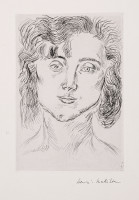
Henri Matisse
One Plate, From Cinquante Dessins (Duthuit Books 2), 1920
Limited Edition Print
Etching
Inquire For Price

Henri Matisse
Le Lanceur De Couteaux, From Jazz, 1947
Limited Edition Print
Mixed Media
EUR 22,900

Henri Matisse
La Robe Jaune Au Ruban Noir, 1922
Limited Edition Print
Lithograph
USD 25,000 - 50,000

Henri Matisse
Espanol, c. 1925
Drawing / Watercolor
Mixed Media
Inquire For Price

Henri Matisse
L'Espagnol à La Mantille, 1925
Limited Edition Print
Etching And Aquatint
EUR 3,100

Henri Matisse
D416 Le Repos Du Modele, 1922
Limited Edition Print
Lithograph
USD 8,600

Henri Matisse
D236 Nausicaa Ulyssess Pl202, 1935
Limited Edition Print
Lithograph
USD 10,500
Related Artists



Related Articles

Artists - February 14, 2025
Evergreen Artists: Why Picasso, Matisse, Miró and Chagall Remain Relevant Today
Discover the timeless appeal of Picasso, Matisse, Miró, and Chagall. Explore their lasting impact and shop high-quality prints at Composition.Gallery. Read More


What is activist art?
Activist Art is a form of art created to address social and political issues. It often involves public engagement and works closely with communities to raise awareness or inspire change. While it can include elements of performance art, it is not limited to this form. Examples include creating and distributing social protest posters or organizing community-based art projects that highlight specific causes.