Details
Artist
Styles
Henri Matisse’s Nausicaa Ulysses Pl202 (1935) is a lithograph that reflects the artist’s graceful and expressive line work. Inspired by Homer’s Odyssey, the piece depicts a group of nude female figures, likely referencing the moment Nausicaa encounters Ulysses. The composition exudes elegance and simplicity, with fluid contours and soft tonal shading creating a sense of intimacy and harmony. Measuring 37.5 × 29.2 cm (14 3/4 × 11 1/2 in), this work is part of a limited edition of 150. Matisse's mastery of lithography and his ability to distill complex scenes into poetic forms are evident in this striking piece.
D236 Nausicaa Ulyssess Pl202, 1935
form
Medium
Size
37.5 x 29.2 cm
- Inches
- Centimeters
Edition
Price
- USD
- EUR
- GBP
Details
Artist
Styles
Henri Matisse’s Nausicaa Ulysses Pl202 (1935) is a lithograph that reflects the artist’s graceful and expressive line work. Inspired by Homer’s Odyssey, the piece depicts a group of nude female figures, likely referencing the moment Nausicaa encounters Ulysses. The composition exudes elegance and simplicity, with fluid contours and soft tonal shading creating a sense of intimacy and harmony. Measuring 37.5 × 29.2 cm (14 3/4 × 11 1/2 in), this work is part of a limited edition of 150. Matisse's mastery of lithography and his ability to distill complex scenes into poetic forms are evident in this striking piece.
- Recently Added
- Price (low-high )
- Price (high-low )
- Year (low-high )
- Year (high-low )
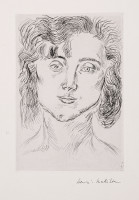
Henri Matisse
One Plate, From Cinquante Dessins (Duthuit Books 2), 1920
Limited Edition Print
Etching
Inquire For Price

Henri Matisse
Le Lanceur De Couteaux, From Jazz, 1947
Limited Edition Print
Mixed Media
EUR 22,900

Henri Matisse
La Robe Jaune Au Ruban Noir, 1922
Limited Edition Print
Lithograph
USD 25,000 - 50,000

Henri Matisse
Espanol, c. 1925
Drawing / Watercolor
Mixed Media
Inquire For Price

Henri Matisse
L'Espagnol à La Mantille, 1925
Limited Edition Print
Etching And Aquatint
EUR 3,100

Henri Matisse
D416 Le Repos Du Modele, 1922
Limited Edition Print
Lithograph
USD 8,600

Henri Matisse
D236 Nausicaa Ulyssess Pl202, 1935
Limited Edition Print
Lithograph
USD 10,500
Related Artists


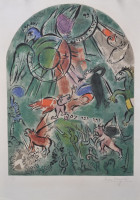

Related Articles

Artists - February 14, 2025
Evergreen Artists: Why Picasso, Matisse, Miró and Chagall Remain Relevant Today
Discover the timeless appeal of Picasso, Matisse, Miró, and Chagall. Explore their lasting impact and shop high-quality prints at Composition.Gallery. Read More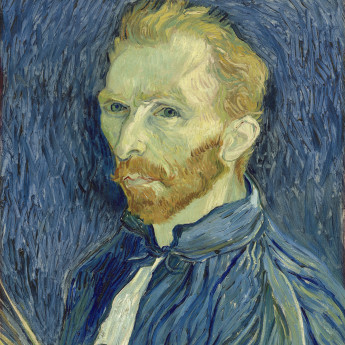

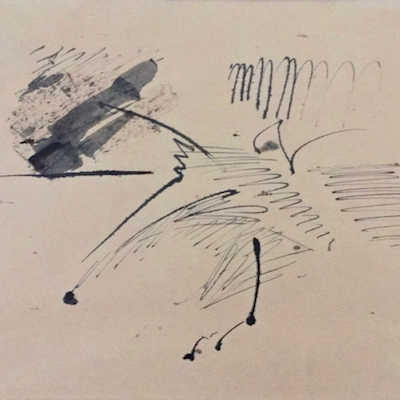
What is Art Informel?
Art Informel is a French term referring to the gestural and improvisational techniques common in abstract painting during the 1940s and 50s. It encompasses various styles that dominated these decades, characterized by informal, spontaneous methods. Artists used this term to describe approaches that moved away from traditional structures and embraced more expressive, unstructured techniques.