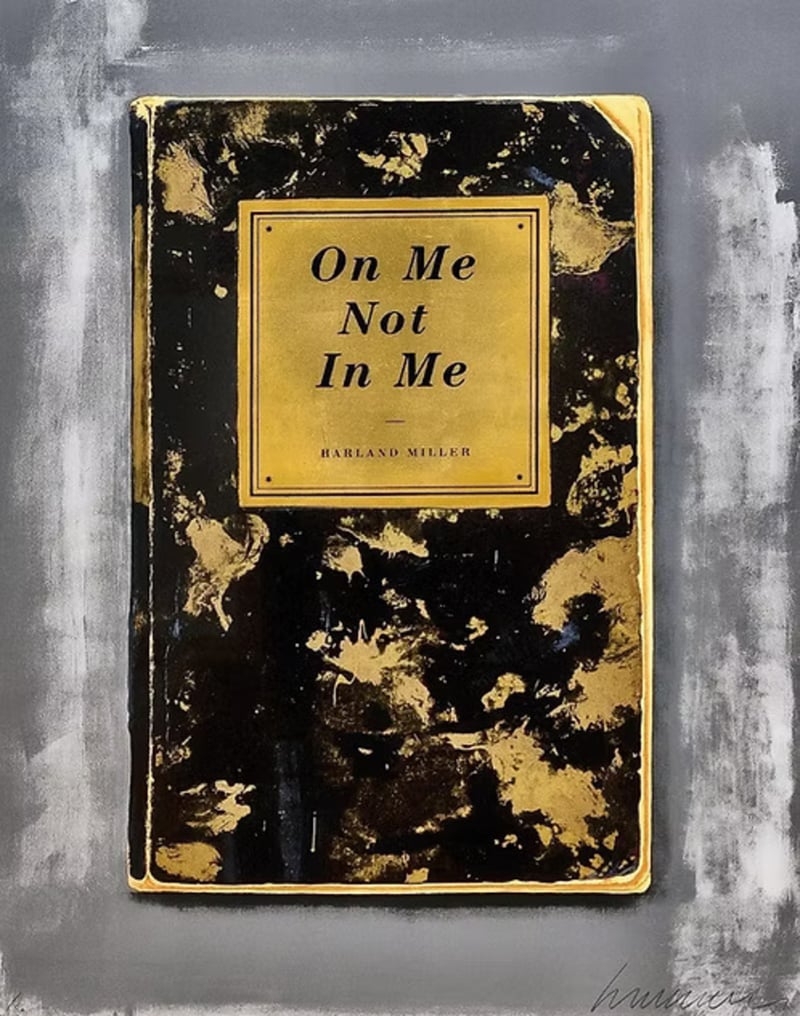
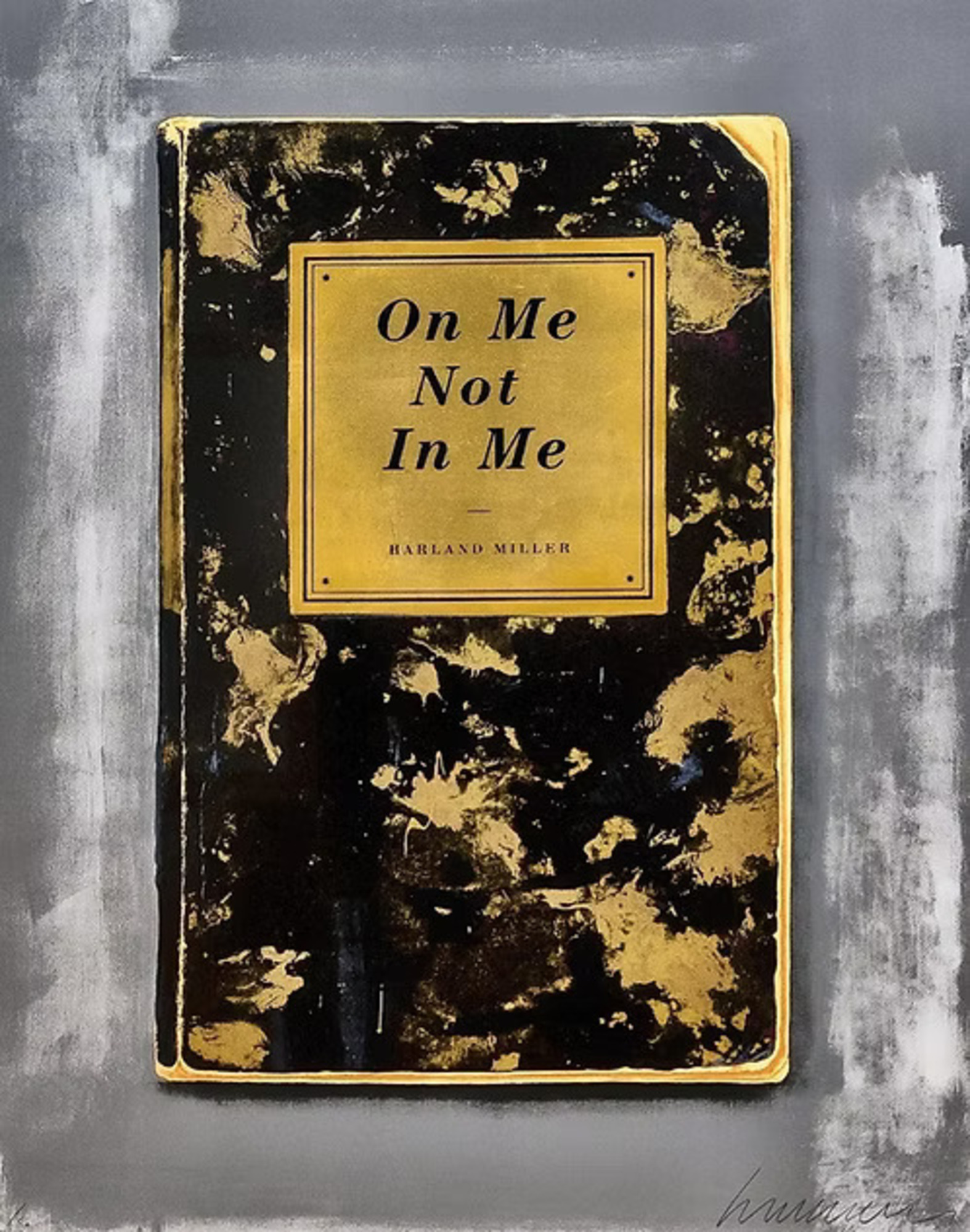
On Me Not In Me, 2015
Form
Medium
Size
- Inches
- Centimeters
Edition
Price
- Authenticity Guaranteed
- Insured Shipping
- Online Since 2005
Harland Miller
On Me Not In Me, 2015
Limited Edition Print
Screen-print
GBP 24,000 – 26,000
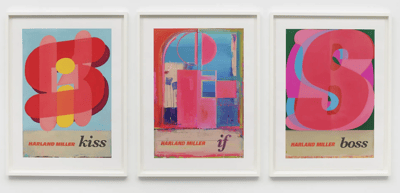
Harland Miller
3 WISHES 4 EVER, 2022
Limited Edition Print
Screen-print
Inquire For Price
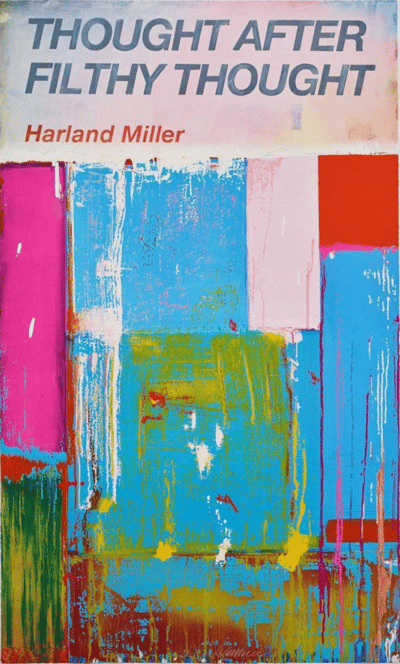
Harland Miller
Thought After Filthy Thought, 2019
Limited Edition Print
Relief printing
USD 40,000 – 50,000

Harland Miller
Narcissist Seeks Similar, 2021
Limited Edition Print
Relief printing
USD 30,000 – 40,000

Harland Miller
LUV, 2023
Limited Edition Print
Woodcut
Inquire For Price

Harland Miller
In Shadows I Boogie, 2019
Limited Edition Print
Mixed Media
USD 40,000 – 50,000
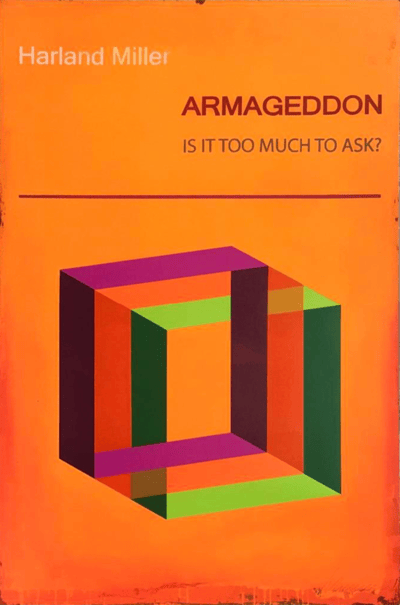
Harland Miller
Armageddon Is It Too Much To Ask?, 2017
Limited Edition Print
Mixed Media
GBP 11,000 – 14,000

Harland Miller
Ace, 2019
Limited Edition Print
Mixed Media
USD 25,000

Harland Miller
Demons Are Forever, 2024
Limited Edition Print
Relief printing
Inquire For Price

Harland Miller
High on Hope, 2019
Limited Edition Print
Screen-print
GBP 14,000

Harland Miller
Narcissist Seeks Similar (Large), 2021
Limited Edition Print
Relief printing
GBP 50,000 – 55,000
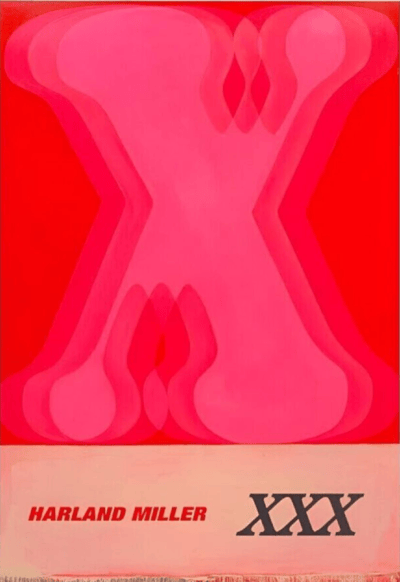
Harland Miller
XXX, 2023
Limited Edition Print
Silkscreen
GBP 11,500 – 14,000
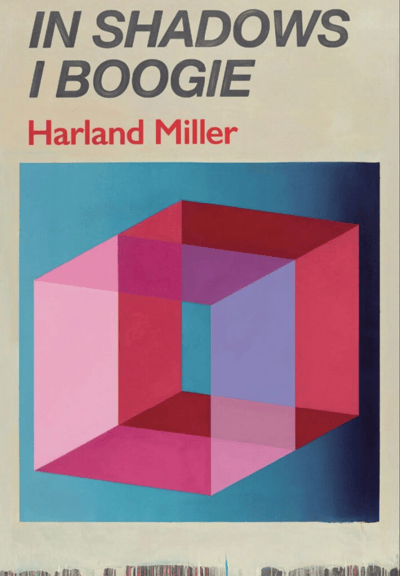
Harland Miller
In Shadows I Boogie - blue, 2019
Limited Edition Print
Etching
GBP 5,000 – 7,000

Harland Miller
Happiness (small), 2017
Limited Edition Print
Intaglio
Inquire For Price
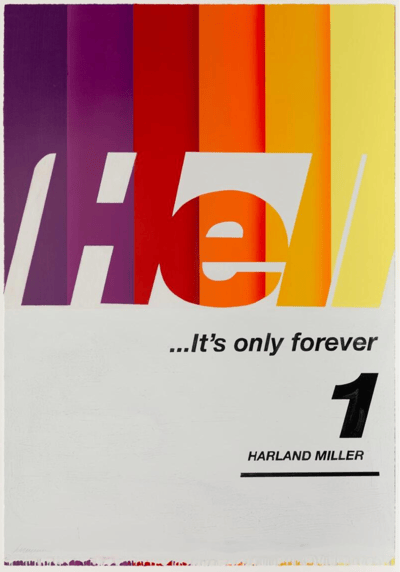
Harland Miller
Hell... It's Only Forever 1 (Large), 2020
Limited Edition Print
Woodcut
USD 25,000 – 35,000
Related Artists
Related Articles
Popular, Collecting - May 6, 2026
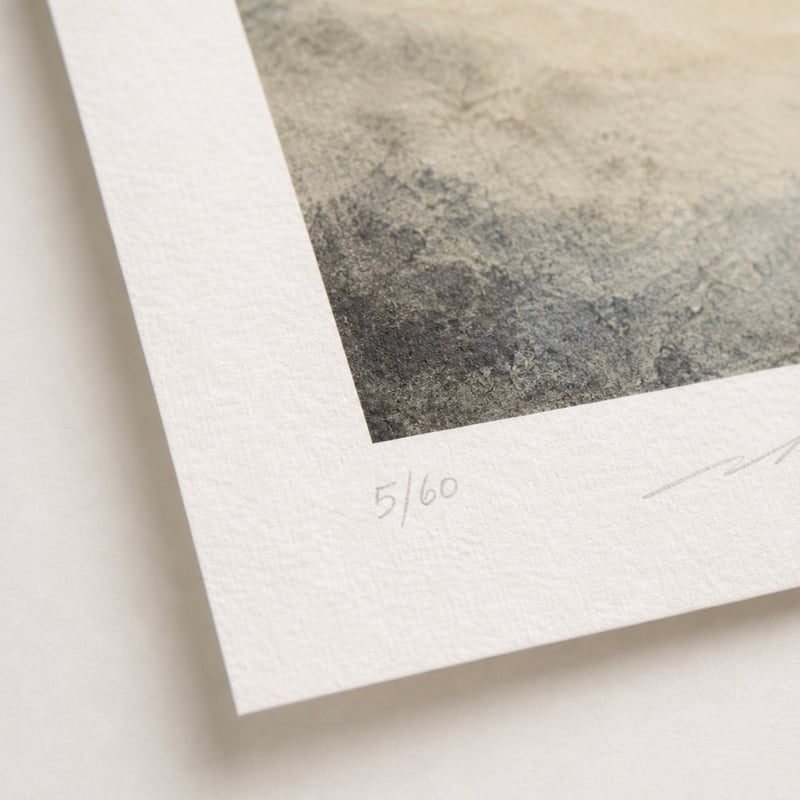
Edition Numbers and Print Value: What Really Matters
Edition size—not number—drives print value. Learn how scarcity, condition, provenance, and artist demand shape prices in modern printmaking.Read More
Popular, News, Artists, Collecting - August 12, 2026
In Minor Keys: Finding Intimacy and Identity at the 61st Venice Biennale — and in Your Collection
Explore how Koyo Kouoh’s 61st Venice Biennale vision, In Minor Keys, is shifting contemporary collecting toward quiet introspection, memory, and personal identity.Read More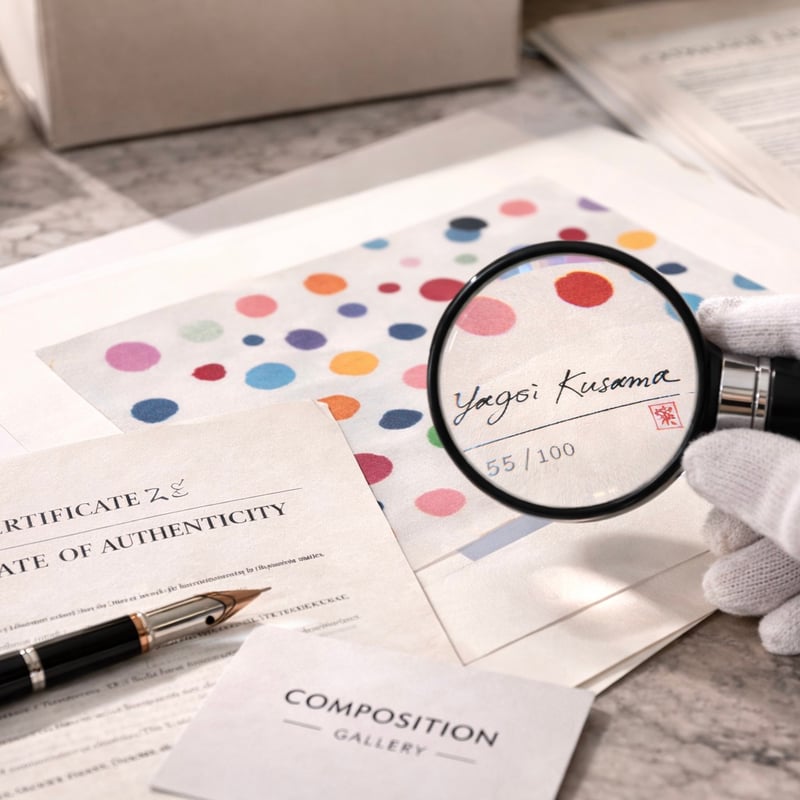
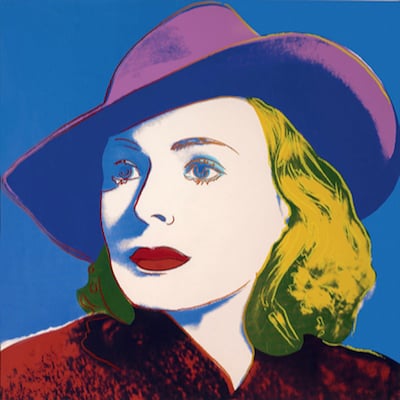
What is pop-art?
Pop Art is an art movement that began in Britain in 1955 and in the late 1950s in the U.S. It challenged traditional fine arts by incorporating imagery from popular culture, such as news, advertising, and comic books. Pop Art often isolates and recontextualizes materials, combining them with unrelated elements. The movement is more about the attitudes and ideas that inspired it than the specific art itself. Pop Art is seen as a reaction against the dominant ideas of Abstract Expressionism, bringing everyday consumer culture into the realm of fine art.
Harland Miller
On Me Not In Me, 2015
80 x 65 cm


