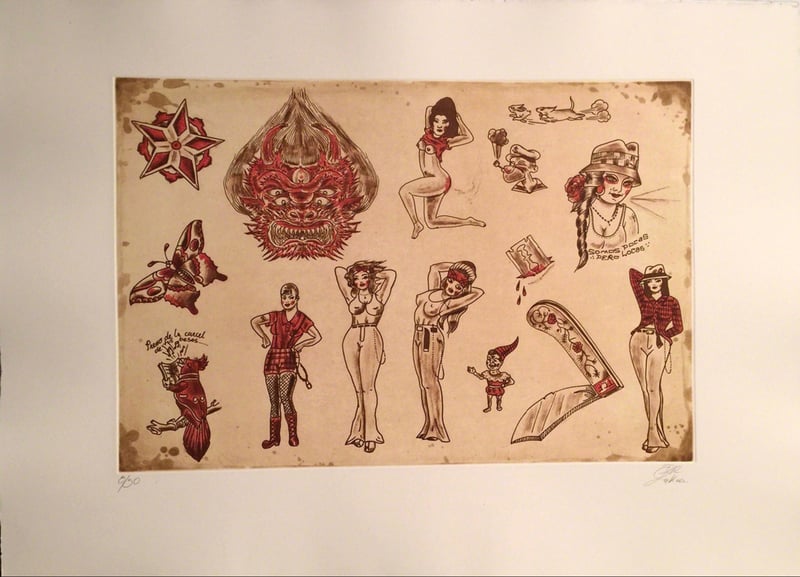
Untitled, #4, 2008
Form
Medium
Size
- Inches
- Centimeters
Edition
Price
- USD
- EUR
- GBP
- CHF
- Authenticity Guaranteed
- Insured Shipping
- Online Since 2005
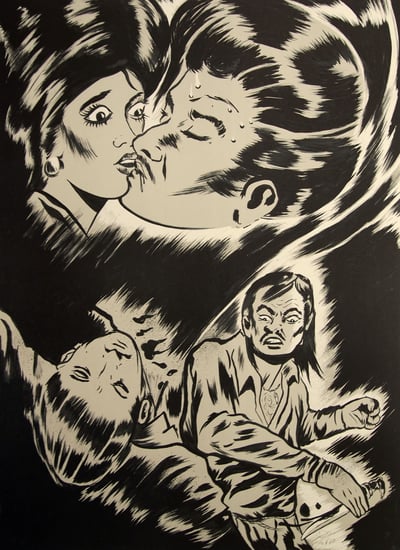
Dr Lakra
Beso, 2009
Limited Edition Print
Lithograph
EUR 750
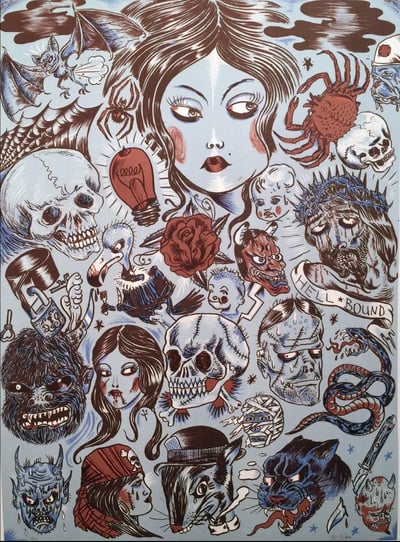
Dr Lakra
Untitled Blue, 2008
Limited Edition Print
Lithograph
USD 2,750
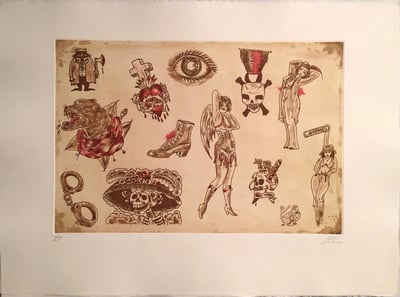
Dr Lakra
Untitled, #3, 2008
Limited Edition Print
Etching
USD 2,500
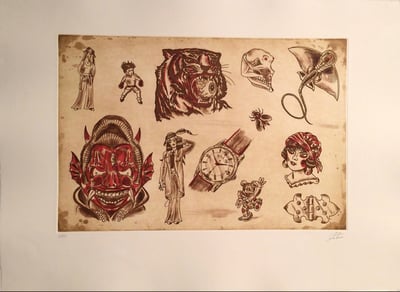
Dr Lakra
Untitled, #6, 2008
Limited Edition Print
Etching
USD 2,500
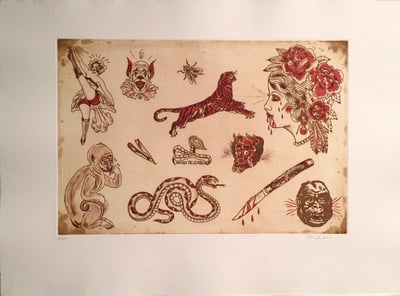
Dr Lakra
Untitled, #7, 2008
Limited Edition Print
Etching
USD 2,500
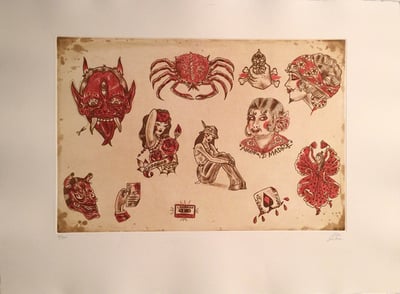
Dr Lakra
Untitled, #8, 2008
Limited Edition Print
Etching
USD 2,500
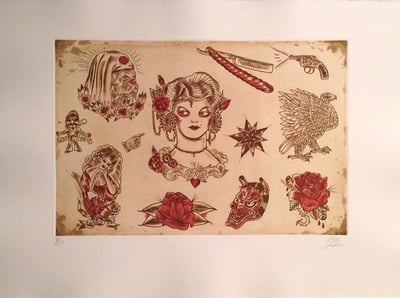
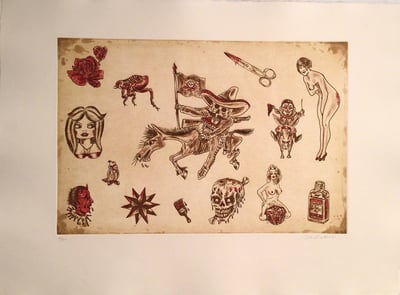
Dr Lakra
Untitled, #5, 2008
Limited Edition Print
Etching
USD 2,500
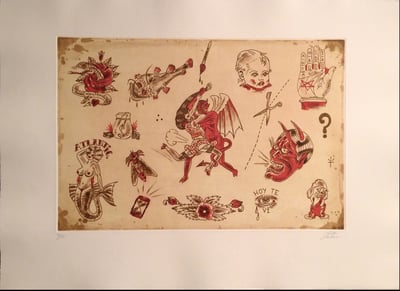
Dr Lakra
Untitled, #9, 2008
Limited Edition Print
Etching
USD 2,500
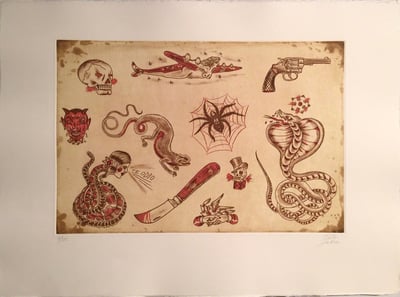
Dr Lakra
Untitled, #10, 2008
Limited Edition Print
Etching
USD 2,500
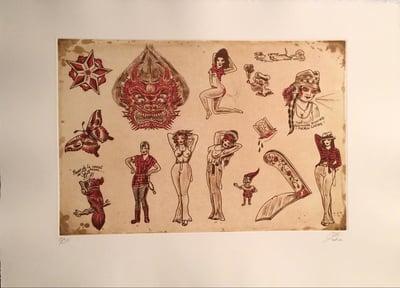
Dr Lakra
Untitled, #2, 2008
Limited Edition Print
Etching
USD 2,500
Dr Lakra
Untitled, #4, 2008
Limited Edition Print
Etching
USD 2,500
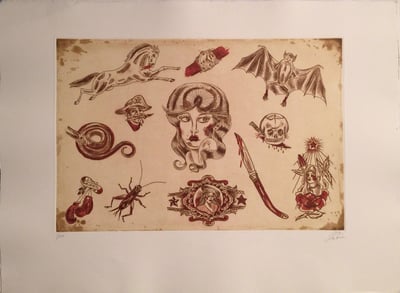
Dr Lakra
Untitled, #1, 2008
Limited Edition Print
Etching
USD 2,500
Dr Lakra
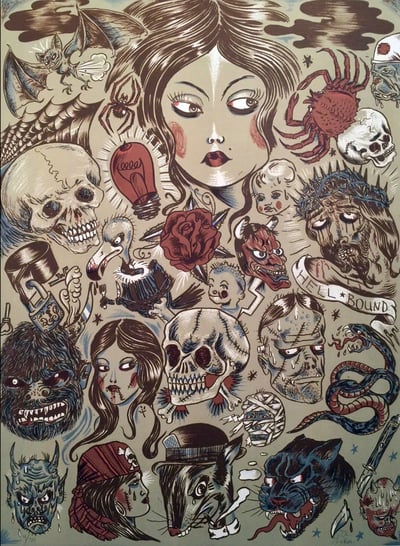
Untitled Green, 2008
Limited Edition Print
Lithograph
USD 2,500
Dr Lakra
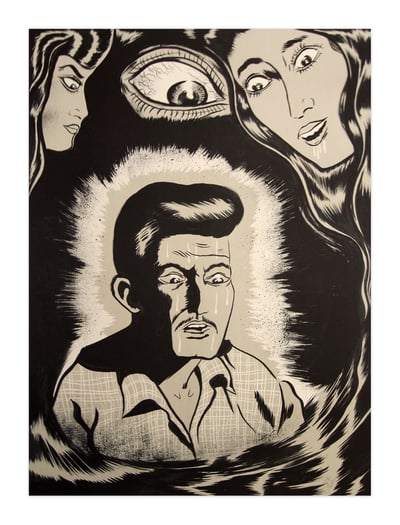
Ojo vigilante, 2009
Limited Edition Print
Lithograph
EUR 750
Dr Lakra
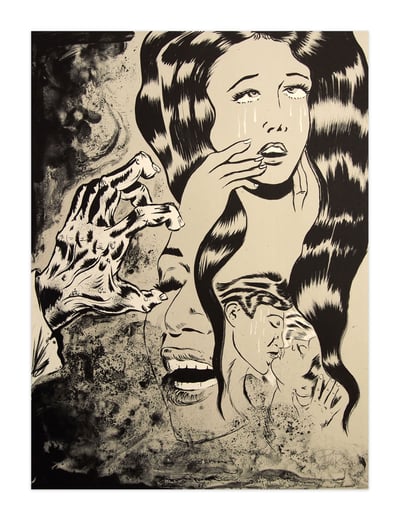
Abandonado, 2009
Limited Edition Print
Lithograph
EUR 750
Related Artists
Related Articles
Popular, Artists, Collecting - July 22, 2025
Investing in Emerging Artists: A Guide for Collectors
Learn how to invest wisely in emerging artists—spot talent early, manage risk, and build a meaningful, future-focused art collection.Read More
Popular, News, Artists, Collecting - August 12, 2026
In Minor Keys: Finding Intimacy and Identity at the 61st Venice Biennale — and in Your Collection
Explore how Koyo Kouoh’s 61st Venice Biennale vision, In Minor Keys, is shifting contemporary collecting toward quiet introspection, memory, and personal identity.Read More
What is conceptual art?
Sometimes referred to as Conceptualism, this is an art form where the idea(s) or concept(s) behind the work take precedence over material concerns and traditional aesthetics. Many conceptual artworks can be created by anyone simply by following written instructions. The concept or idea is the most essential aspect of the artwork.
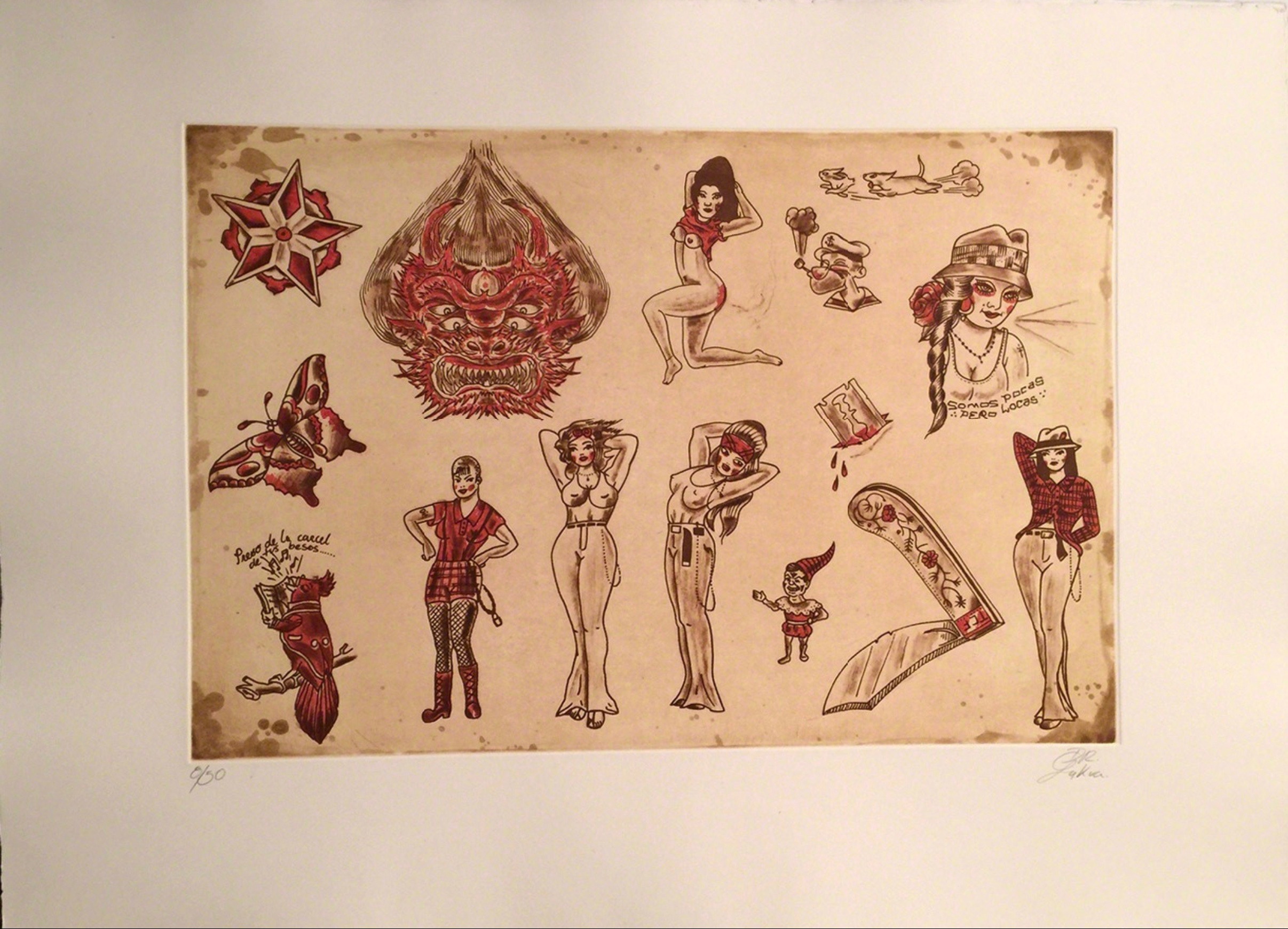
Dr Lakra
Untitled, #4, 2008
56.2 x 76.2 cm


