
Soñando (Cautivos), 2009
Form
Medium
Size
- Inches
- Centimeters
Edition
Price
- Authenticity Guaranteed
- Insured Shipping
- Online Since 2005
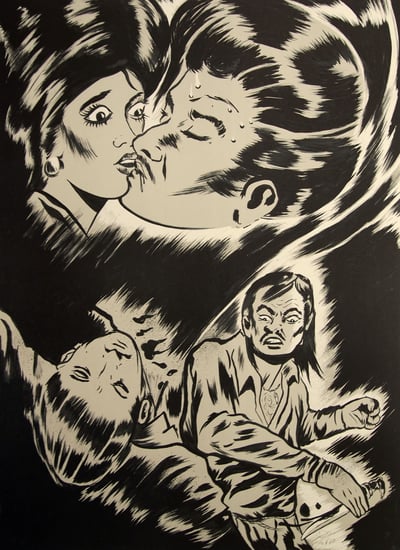
Dr Lakra
Beso, 2009
Limited Edition Print
Lithograph
EUR 750
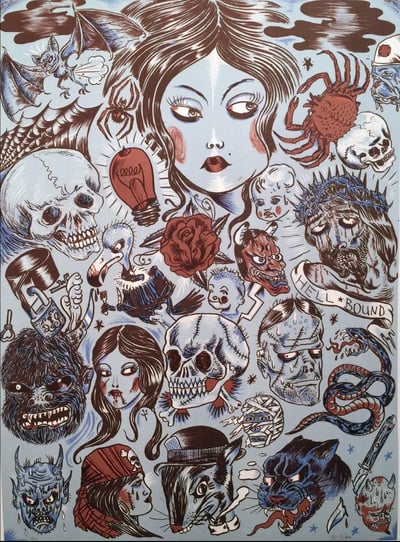
Dr Lakra
Untitled Blue, 2008
Limited Edition Print
Lithograph
USD 2,750
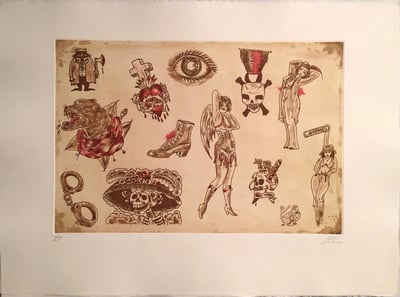
Dr Lakra
Untitled, #3, 2008
Limited Edition Print
Etching
USD 2,500
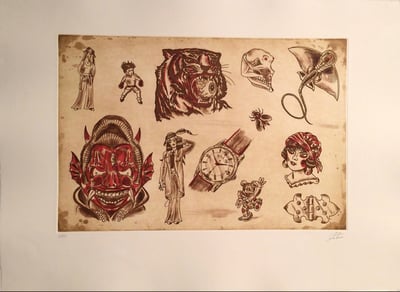
Dr Lakra
Untitled, #6, 2008
Limited Edition Print
Etching
USD 2,500
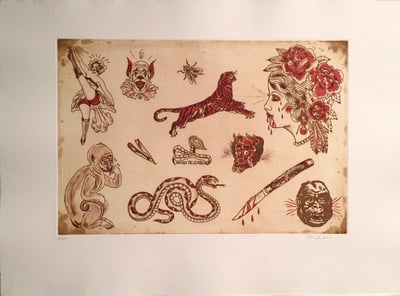
Dr Lakra
Untitled, #7, 2008
Limited Edition Print
Etching
USD 2,500
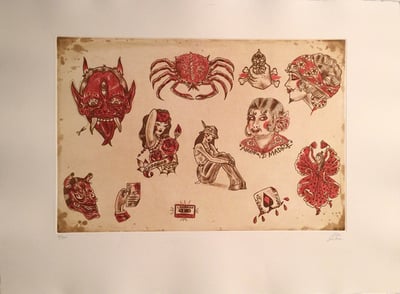
Dr Lakra
Untitled, #8, 2008
Limited Edition Print
Etching
USD 2,500
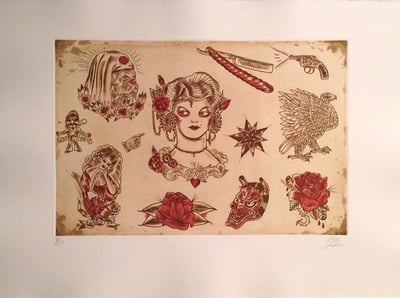
Dr Lakra
Untitled, #5, 2008
Limited Edition Print
Etching
USD 2,500
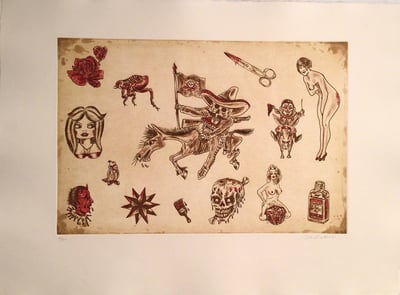
Dr Lakra
Untitled, #9, 2008
Limited Edition Print
Etching
USD 2,500
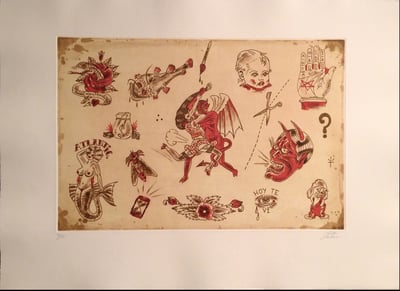
Dr Lakra
Untitled, #10, 2008
Limited Edition Print
Etching
USD 2,500
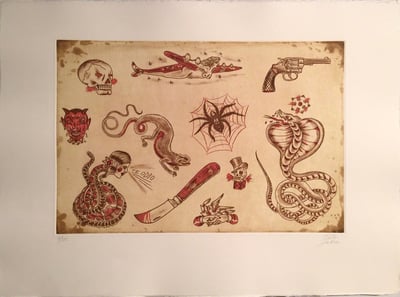
Dr Lakra
Untitled, #2, 2008
Limited Edition Print
Etching
USD 2,500
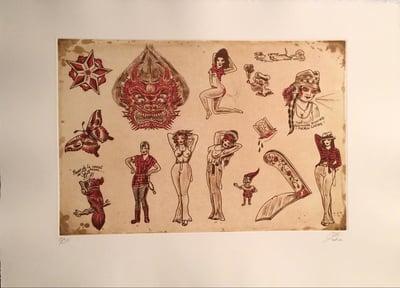
Dr Lakra
Untitled, #4, 2008
Limited Edition Print
Etching
USD 2,500
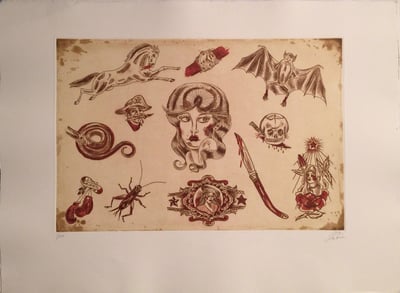
Dr Lakra
Untitled, #1, 2008
Limited Edition Print
Etching
USD 2,500
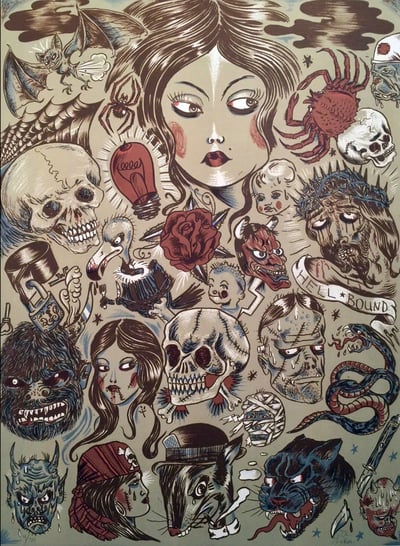
Dr Lakra
Untitled Green, 2008
Limited Edition Print
Lithograph
USD 2,500
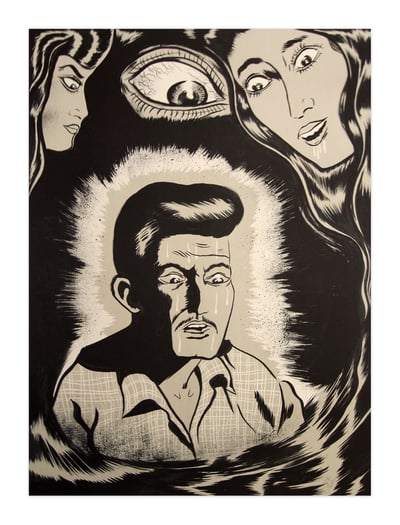
Dr Lakra
Ojo vigilante, 2009
Limited Edition Print
Lithograph
EUR 750
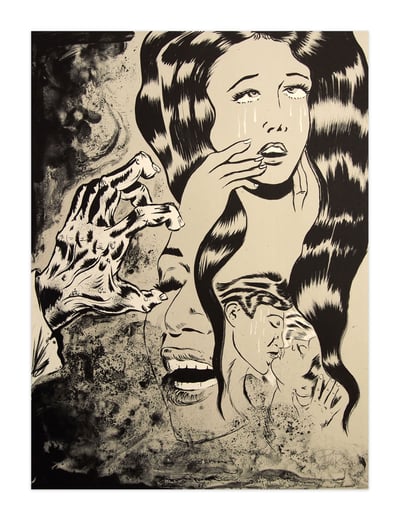
Dr Lakra
Abandonado, 2009
Limited Edition Print
Lithograph
EUR 750
Related Artists
Related Articles
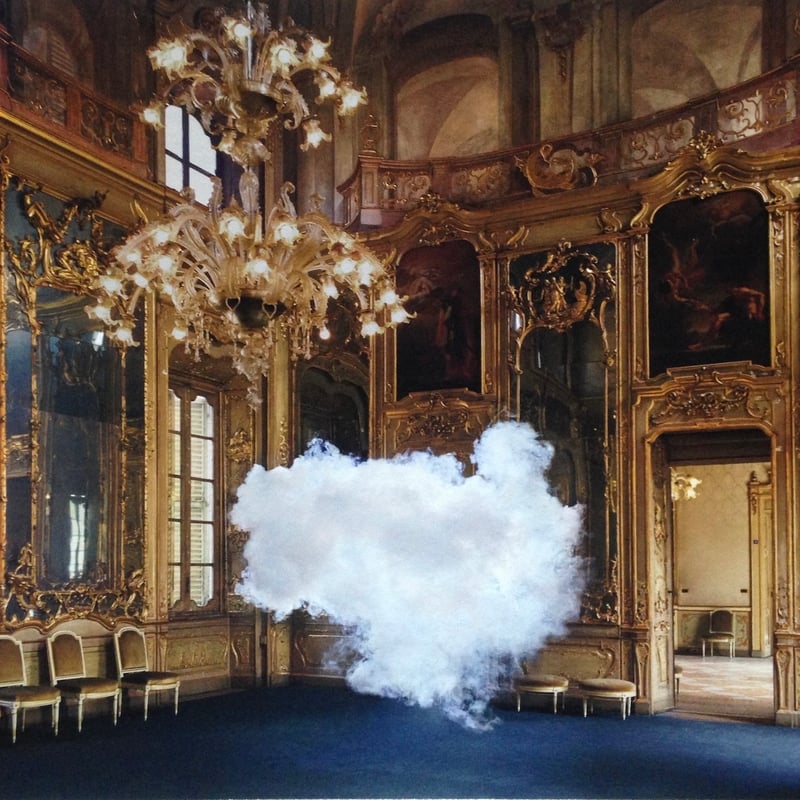
Popular, Artists, Collecting - July 22, 2025
Investing in Emerging Artists: A Guide for Collectors
Learn how to invest wisely in emerging artists—spot talent early, manage risk, and build a meaningful, future-focused art collection.Read More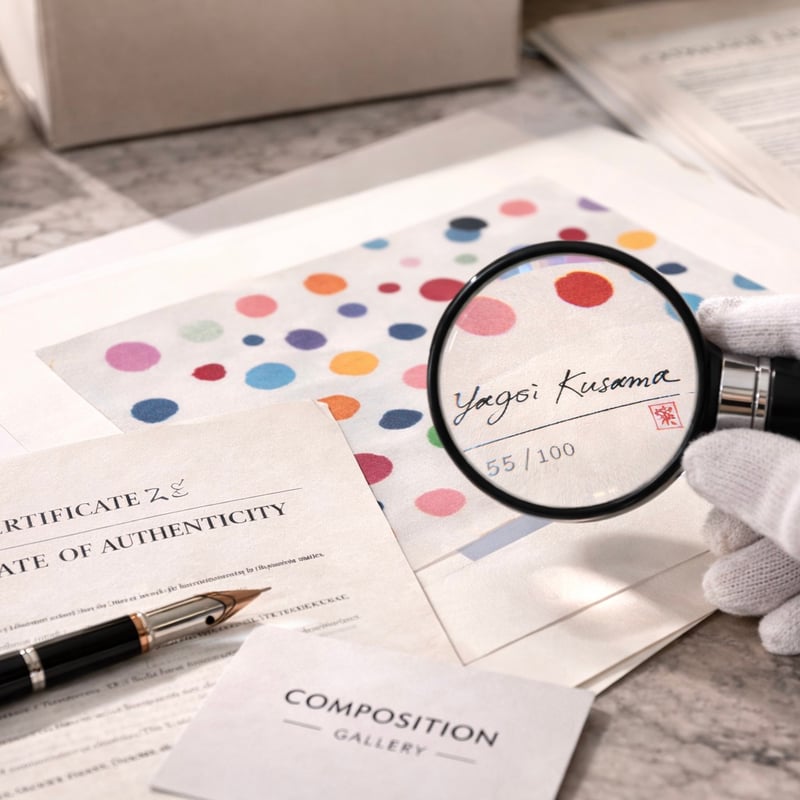

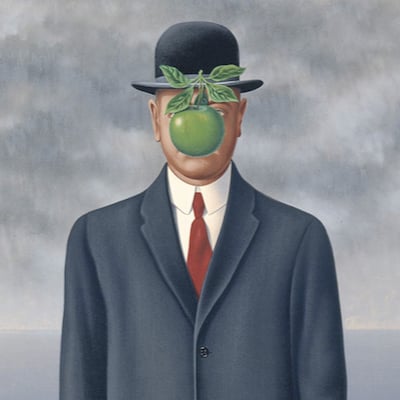
What is Surrealism?
Surrealism began in the 1920s as an art and literary movement with the goal of revealing the unconscious mind and unleashing the imagination by exploring unusual and dream-like imagery. Influenced by Sigmund Freud’s theories of psychoanalysis, Surrealist artists and writers sought to bring the unconscious into rational life, blurring the lines between reality and dreams. The movement aimed to challenge conventional perceptions and express the irrational aspects of the human experience.


