Details
Artist
Styles
Hand signed right below; paper size: 64 x 70 cm. framed: 93 x 100 cm.; literature: "Constant, Grafiek", by Trudy van der Horst, Waanders Publishers, page's 156 and 157 // L'ultima cena by Constant Nieuwenhuys, created in 1980, is a limited-edition print that uses etching and aquatint techniques to reimagine the iconic Last Supper scene in a distinctly modern and abstract manner. The composition features elongated, almost spectral figures in a dimly lit, angular room dominated by earthy and red hues. A single overhead light casts a dramatic glow, focusing attention on the central figures while creating deep shadows along the walls. The scene feels both intimate and unsettling, capturing an atmosphere of existential reflection. This reinterpretation by Nieuwenhuys challenges traditional religious iconography, presenting the Last Supper as a gathering of ambiguous forms that invite contemplation on human presence and absence.
L'ultima cena, 1980
form
Medium
Size
64 x 70 cm
- Inches
- Centimeters
Edition
Price
- USD
- EUR
- GBP
Details
Artist
Styles
Hand signed right below; paper size: 64 x 70 cm. framed: 93 x 100 cm.; literature: "Constant, Grafiek", by Trudy van der Horst, Waanders Publishers, page's 156 and 157 // L'ultima cena by Constant Nieuwenhuys, created in 1980, is a limited-edition print that uses etching and aquatint techniques to reimagine the iconic Last Supper scene in a distinctly modern and abstract manner. The composition features elongated, almost spectral figures in a dimly lit, angular room dominated by earthy and red hues. A single overhead light casts a dramatic glow, focusing attention on the central figures while creating deep shadows along the walls. The scene feels both intimate and unsettling, capturing an atmosphere of existential reflection. This reinterpretation by Nieuwenhuys challenges traditional religious iconography, presenting the Last Supper as a gathering of ambiguous forms that invite contemplation on human presence and absence.
- Recently Added
- Price (low-high )
- Price (high-low )
- Year (low-high )
- Year (high-low )

Constant Nieuwenhuys
Le Massacre, 1972
Limited Edition Print
Lithograph
EUR 595

Constant Nieuwenhuys
L'ultima Cena, 1980
Limited Edition Print
Etching And Aquatint
EUR 2,990

Constant Nieuwenhuys
Composition, 1982
Limited Edition Print
Etching
Currently Not Available
Related Artists

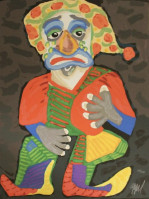


Related Articles
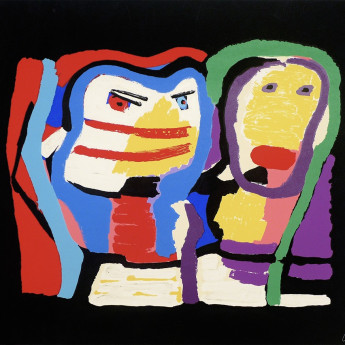
Art Movements - November 21, 2022
Botch, Blotch and Splotch: The Exuberant Maelstrom of the Cobra Art Movement.
Explore the CoBrA movement’s bold creativity, blending raw expression and experimentation. Discover its impact on post-war art and avant-garde traditions. Read More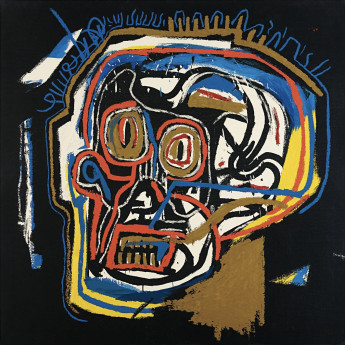

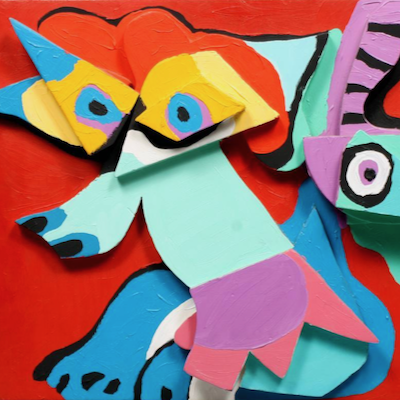
What is the CoBrA movement?
CoBrA stands for Copenhagen, Brussels, and Amsterdam; the group was formed with a desire to break away from the existing art movements of the time. Their critique of Western society led them to experiment and evolve into a significant international movement. CoBrA was founded on November 8, 1948, at the Notre Dame Café in Paris, where its manifesto was signed by Karel Appel, Joseph Noiret, Corneille, Christian Dotremont, Constant, and Asger Jorn. The group was united by a shared commitment to freedom in both form and color, and their work emphasized experimentation and spontaneity.