Watercolor and Pencil on paper
- Signed and Dated on front right corner
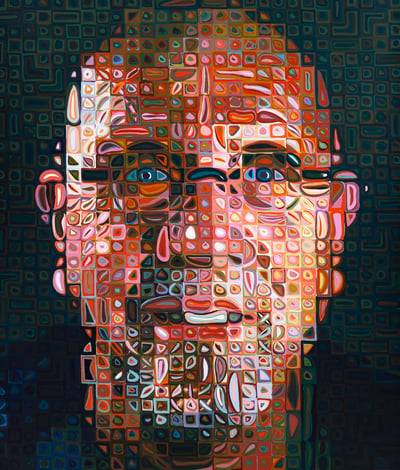
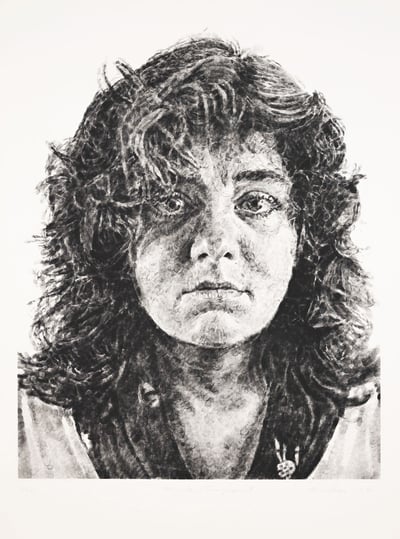
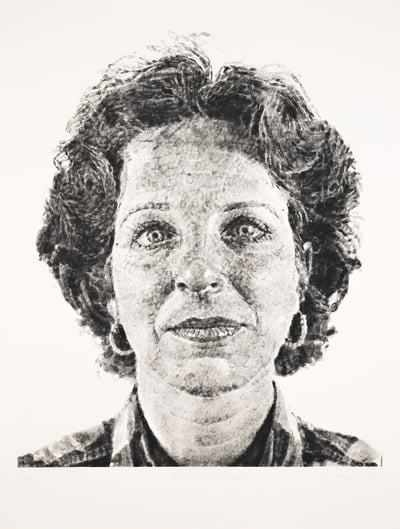
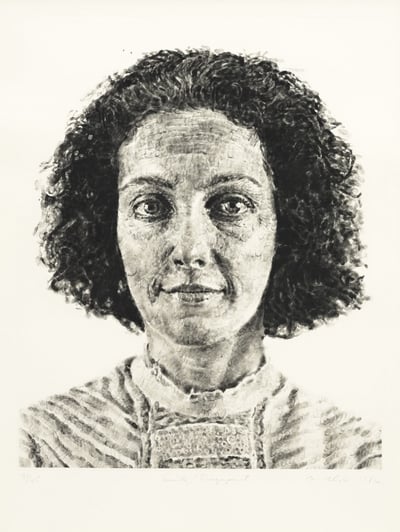
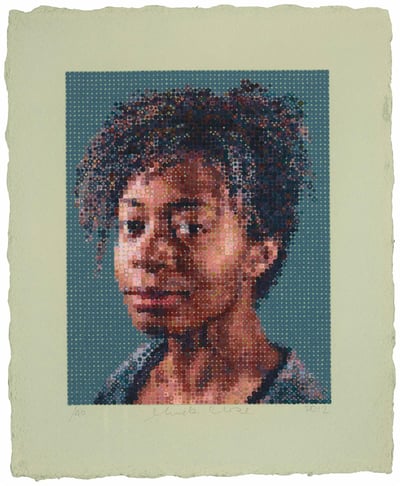
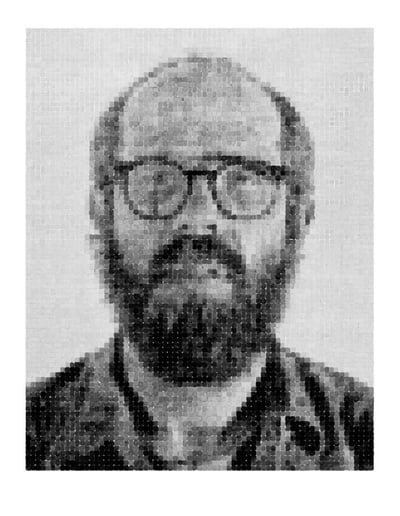
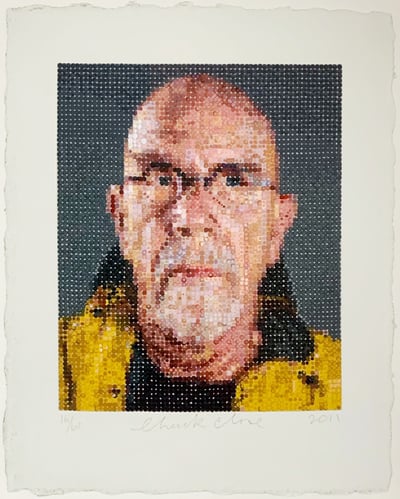
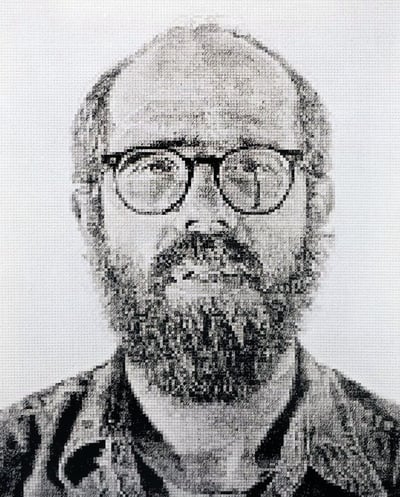
Chuck Close’s Leslie (1,140) (1973) is a meticulous watercolor and pencil work that showcases his signature grid-based approach to portraiture. The artwork features a pixelated representation of a young woman’s face, rendered with precision in soft, blended colors. Close’s technique breaks down the image into a grid, giving the portrait a mosaic-like appearance while maintaining a sense of realism. The surrounding areas feature subtle, colorful splatters and soft hues that add depth and an ethereal quality to the composition. Signed and dated in the bottom right corner, this piece exemplifies Close’s fascination with perception and the deconstruction of photographic imagery.
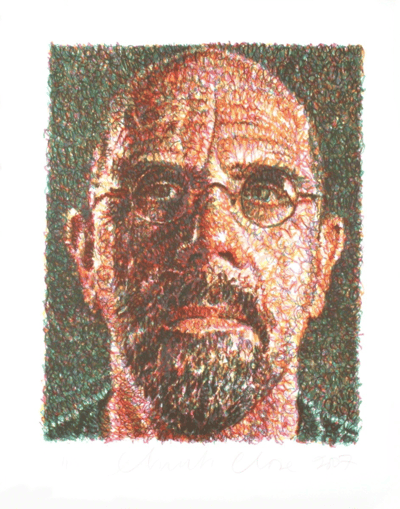
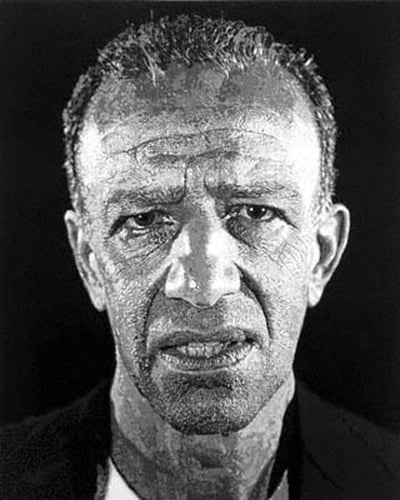
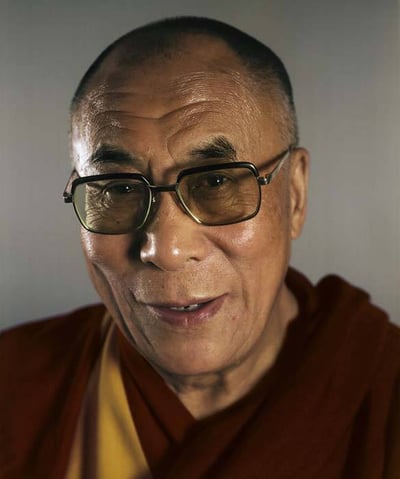
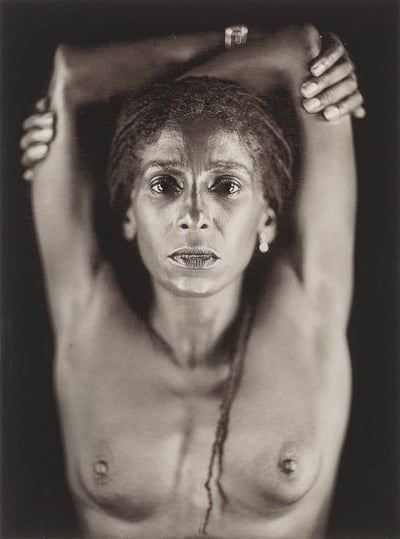
Chuck Close (USA, 1940–2021) was a renowned painter and photographer celebrated for his monumental portraits. Known for his photorealistic style and later grid-based abstraction, Close’s works often deconstructed the human face into intricate patterns. Despite facing physical challenges, including paralysis, he continued to innovate, influencing contemporary portraiture profoundly.
WatercolorWatercolor refers to both the medium and the resulting artwork created using pigments suspended in a water-soluble vehicle. Watercolors are known for their luminous, transparent appearance because the pigments are applied in pure form with minimal fillers. By adding Chinese white, the watercolor can become opaque, resembling gouache.
Watercolor and Pencil on paper
- Signed and Dated on front right corner
Chuck Close’s Leslie (1,140) (1973) is a meticulous watercolor and pencil work that showcases his signature grid-based approach to portraiture. The artwork features a pixelated representation of a young woman’s face, rendered with precision in soft, blended colors. Close’s technique breaks down the image into a grid, giving the portrait a mosaic-like appearance while maintaining a sense of realism. The surrounding areas feature subtle, colorful splatters and soft hues that add depth and an ethereal quality to the composition. Signed and dated in the bottom right corner, this piece exemplifies Close’s fascination with perception and the deconstruction of photographic imagery.
Chuck Close (USA, 1940–2021) was a renowned painter and photographer celebrated for his monumental portraits. Known for his photorealistic style and later grid-based abstraction, Close’s works often deconstructed the human face into intricate patterns. Despite facing physical challenges, including paralysis, he continued to innovate, influencing contemporary portraiture profoundly.
In my art, I deconstruct and then I reconstruct, so visual perception is one of my primary interests.
- Chuck Close
Charles (Chuck) Close is an American painter and photographer. Through his creative an intricate techniques he has gained fame as a photo-realist. Chuck's art focuses on the human face and is best known for his large scale portraits which are photo based paintings. His art extends to printmaking, photography and tapestries. He has taken his place at the top of the American art world for his large scale pieces that are creatively blurred between photography and painting. Close graduated from Yale with a Masters of Fine Arts where he changed his focus from heavy abstract to what is now his signature- photo-realism. He describes this style as "knitting" as he uses Polaroids of his models and then recreates them on large canvas. Early in his style, Chuck recreated specific details of faces, which was notably incredible as he suffers from a condition that makes him face-blindness and is unable to recognize faces. His technique in color application is also noted to have paved the way for the development of the inkjet printer. In the 1960's his works were entrenched in the New York City art scene and by the 1970's his work was being shown worldwide in galleries. Chuck Close was presented with the National Medal of Arts by President Clinton and recently President Obama appointed him to serve on the The President's Committee on the Arts and the Humanities. Chuck experienced a severe health issue in 1988 which left him almost completely paralyzed. Even with his physical limitations he has learned how to regain his ability to paint. His reputation among the top American artists remains unchanged and his work continues to receive rave reviews and expensive commissions. (Artist website)
Sometimes referred to as Conceptualism, this is an art form where the idea(s) or concept(s) behind the work take precedence over material concerns and traditional aesthetics. Many conceptual artworks can be created by anyone simply by following written instructions. The concept or idea is the most essential aspect of the artwork.