
Self-Portrait, 2012
Form
Medium
Size
- Inches
- Centimeters
Edition
Price
- Authenticity Guaranteed
- Insured Shipping
- Online Since 2005
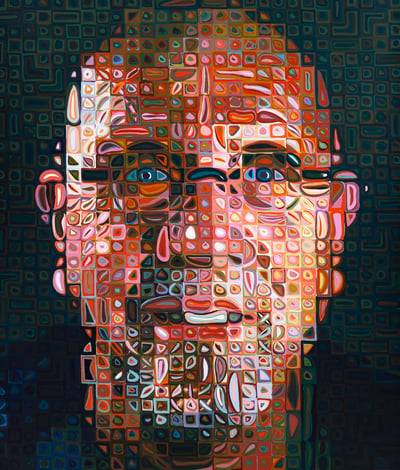
Chuck Close
Self-Portrait, 2012
Limited Edition Print
Silkscreen
USD 40,000 – 50,000
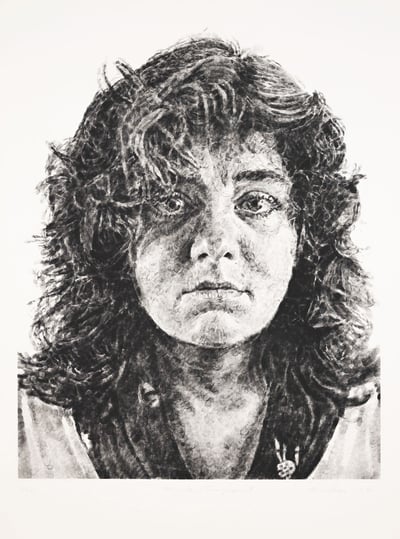
Chuck Close
Marta/Fingerprint, 1986
Limited Edition Print
Etching
Inquire For Price
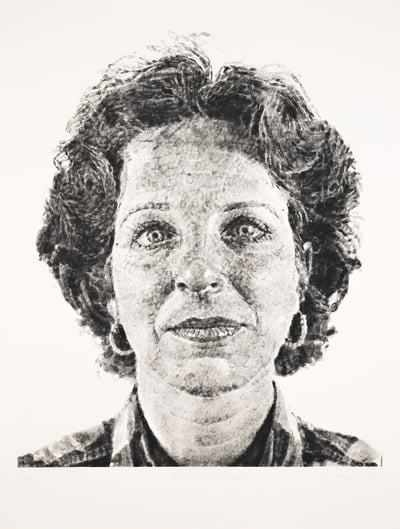
Chuck Close
Leslie/Fingerprint, 1986
Limited Edition Print
Etching
Inquire For Price
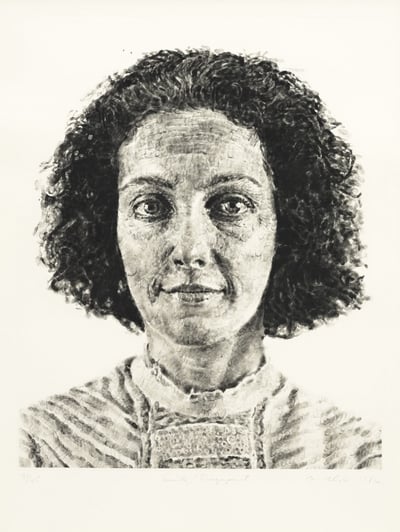
Chuck Close
Emily/Fingerprint, 1986
Limited Edition Print
Etching
Inquire For Price
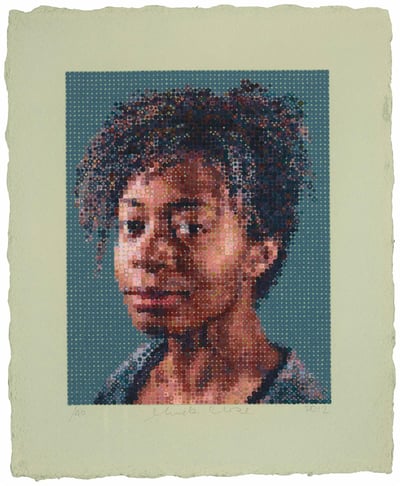
Chuck Close
Kara, 2012
Limited Edition Print
Mixed Media
Inquire For Price
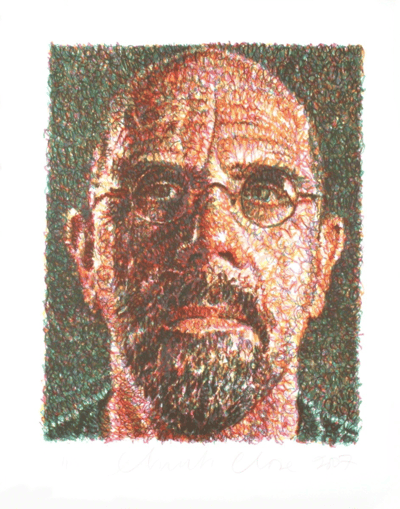
Chuck Close
Self Portrait (Lincoln Center), 2007
Limited Edition Print
Screen-print
USD 12,000 – 17,000
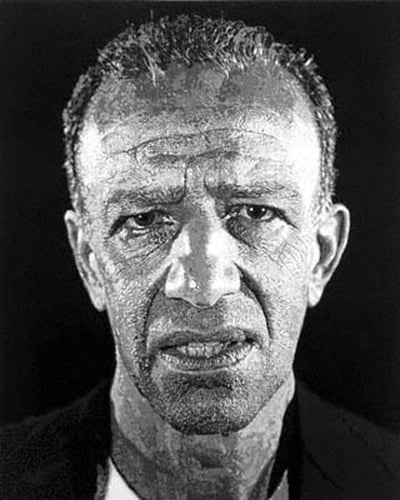
Chuck Close
Alex/Reduction Print, 1993
Limited Edition Print
Screen-print
USD 29,500
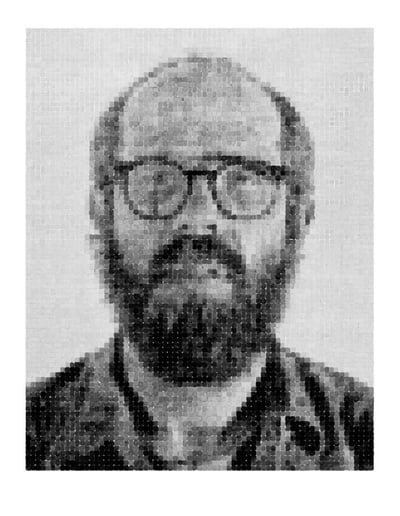
Chuck Close
Self Portrait (2), 2012
Limited Edition Print
Mixed Media
USD 6,760
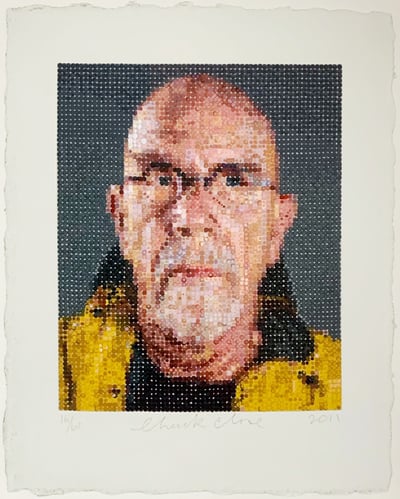
Chuck Close
Self Portrait (1), 2012
Limited Edition Print
Mixed Media
USD 40,000 – 50,000
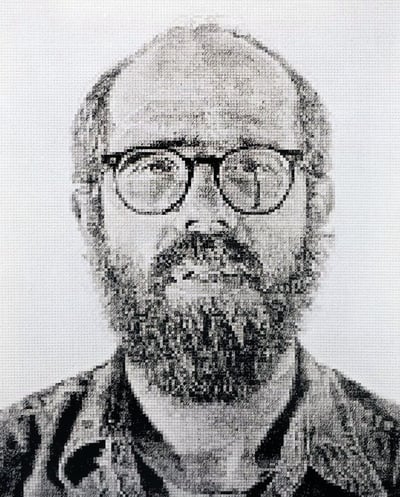
Chuck Close
Self Portrait/White Ink, 1978
Limited Edition Print
Etching and Aquatint
USD 27,000 – 35,000

Chuck Close
Self Portrait / Pulp / Pochoir, 2000
Limited Edition Print
Mixed Media
USD 29,500
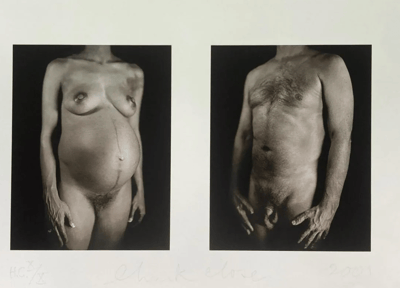
Chuck Close
Untitled ((Doctors of the World), 2001
Limited Edition Print
Digital Print on paper
USD 1,695
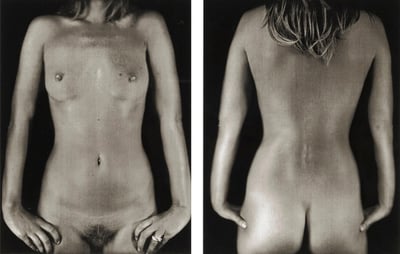
Chuck Close
#11 From Untitled (set of 6 Kates), 2005
Limited Edition Print
Pigment print
USD 12,900

Chuck Close
#14 From Untitled (set of 6 Kates), 2005
Limited Edition Print
Pigment print
USD 17,800

Chuck Close
Dalai Lama, 2005
Limited Edition Print
Digital Print on paper
USD 4,850

Chuck Close
Renee Cox, 2012
Limited Edition Print
Digital Print on paper
Currently Not Available
Related Artists


Related Articles
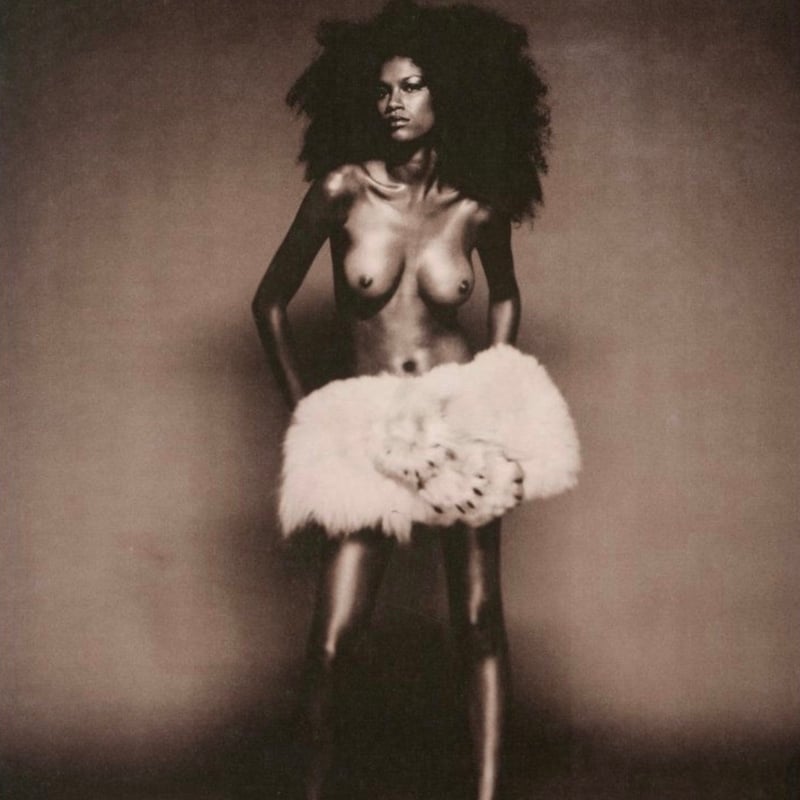
Collecting - March 27, 2025
Collecting Photography: A Beginner’s Guide to Fine Art Photos
Learn how to collect fine art photography—from print types and editioning to care tips and top photographers like Adams, Sherman, and Gursky.Read More


What is Pixel Art?
Pixel Art is a form of digital art created by placing individual pixels, similar to assembling a mosaic where each small piece contributes to a larger image. The style is often associated with nostalgia, as it draws on the techniques used in early video game graphics. Pixel art has seen a resurgence in popularity, both as a nod to retro aesthetics and as a distinct artistic style in modern digital art.


