Details
Artist
Styles
Color edition on baryta paper - Limited edition of 200 copies, stamps on the back, certificate by the curator of André de Dienes // Becoming Marilyn (1945) by André de Dienes captures an early image of Marilyn Monroe, exuding youthful charm and natural beauty. In this iconic photograph, a young Marilyn sits on the sand by the beach, dressed in a striped red and white shirt, white shorts with suspenders, and a blue scarf tied in her hair. The vibrant colors and serene seaside background add a timeless quality to the portrait, reflecting a carefree spirit and the beginnings of Monroe's journey to stardom. This 2006 color edition print on baryta paper is part of a limited edition of 200, with stamps and a certificate from de Dienes’ curator.
Becoming Marilyn (1945), 2006
form
Medium
Size
51 x 41 cm
- Inches
- Centimeters
Edition
Price
- USD
- EUR
- GBP
Details
Artist
Styles
Color edition on baryta paper - Limited edition of 200 copies, stamps on the back, certificate by the curator of André de Dienes // Becoming Marilyn (1945) by André de Dienes captures an early image of Marilyn Monroe, exuding youthful charm and natural beauty. In this iconic photograph, a young Marilyn sits on the sand by the beach, dressed in a striped red and white shirt, white shorts with suspenders, and a blue scarf tied in her hair. The vibrant colors and serene seaside background add a timeless quality to the portrait, reflecting a carefree spirit and the beginnings of Monroe's journey to stardom. This 2006 color edition print on baryta paper is part of a limited edition of 200, with stamps and a certificate from de Dienes’ curator.
- Recently Added
- Price (low-high )
- Price (high-low )
- Year (low-high )
- Year (high-low )

Andre De Dienes
Nu Sur Le Rocher, 1960
Photography
Photograph
EUR 890

Andre De Dienes
Nu Avec Ballon, 1960
Photography
Photograph
EUR 690

Andre De Dienes
Marilyn Monroe. Au Lit, 1953/2006
Photography
Photograph
EUR 690

Andre De Dienes
Nude Bathing, 1960
Photography
Photograph
EUR 890

Andre De Dienes
Marilyn Monroe (Set Of 2), 1946
Photography
Gelatin Silver Print
USD 3,000

Andre De Dienes
Marilyn Monroe III, 1946
Photography
Gelatin Silver Print
USD 1,500

Andre De Dienes
Marilyn Monroe I, 1946
Photography
Gelatin Silver Print
USD 1,500

Andre De Dienes
Marilyn Nineteen (1945), 2006
Photography
Photograph
EUR 690

Andre De Dienes
Becoming Marilyn (1945), 2006
Photography
Photograph
EUR 690

Andre De Dienes
Nu Assise Sur Rocher, 1960
Photography
Photograph
EUR 890

Andre De Dienes
Nu Avec Fleurs, 1960
Photography
Photograph
EUR 590

Andre De Dienes
Marilyn. La Sortie De Bain. (1945), 2006
Photography
Photograph
EUR 690

Andre De Dienes
Nu à La Pose, 1960
Photography
Photograph
EUR 590

Andre De Dienes
Norma Jean In Red (Marilyn Monroe 1945), 2006
Photography
Photograph
EUR 690

Andre De Dienes
Nude On Stone Bench, 1955
Photography
Photograph
Currently Not Available
Related Artists


Related Articles
Collecting - March 27, 2025
Collecting Photography: A Beginner’s Guide to Fine Art Photos
Learn how to collect fine art photography—from print types and editioning to care tips and top photographers like Adams, Sherman, and Gursky. Read More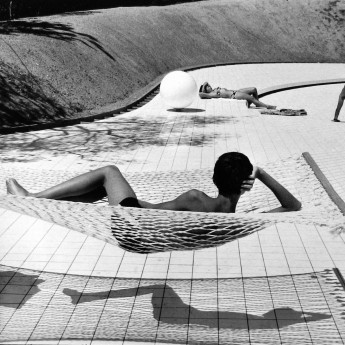

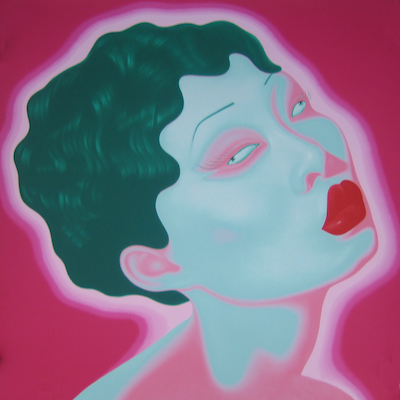
What is Chinese contemporary art?
Chinese Contemporary Art is marked by a wide range of styles and experimental approaches. In the 1980s, avant-garde exhibitions were often shut down by government officials. The 1990s saw the rise of political pop and cynical realism, while China's One-Child Policy influenced artists to explore the individual as a subject matter.