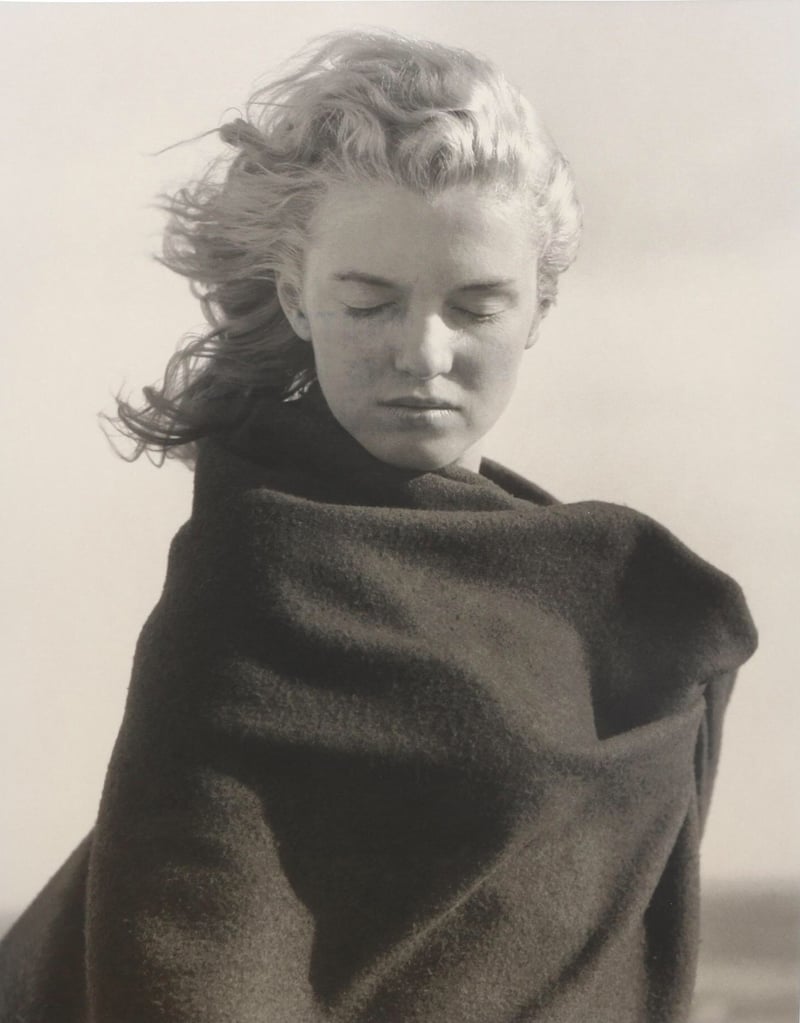
Marilyn Monroe I, 1946
Form
Medium
Size
- Inches
- Centimeters
Price
- USD
- EUR
- GBP
- CHF
- Authenticity Guaranteed
- Insured Shipping
- Online Since 2005
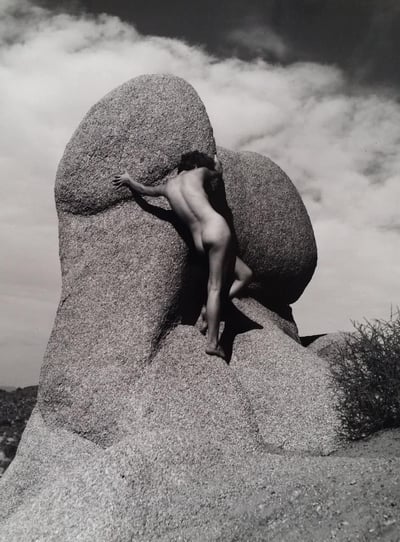
Andre de Dienes
Nu sur le rocher, 1960
Photography
Photograph
EUR 890
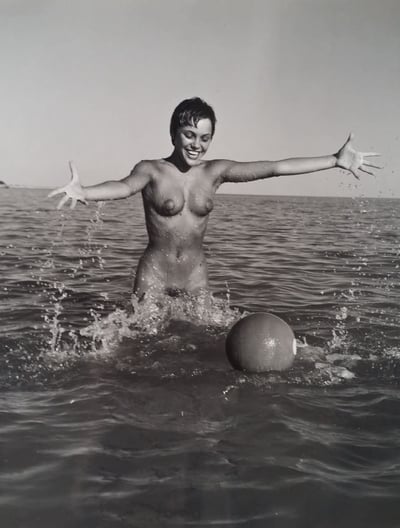
Andre de Dienes
Nu avec ballon, 1960
Photography
Photograph
EUR 690
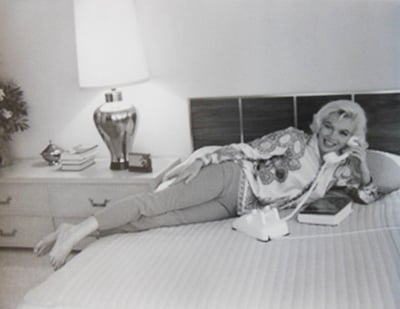
Andre de Dienes
Marilyn Monroe. Au Lit, 1953/2006
Photography
Photograph
EUR 690
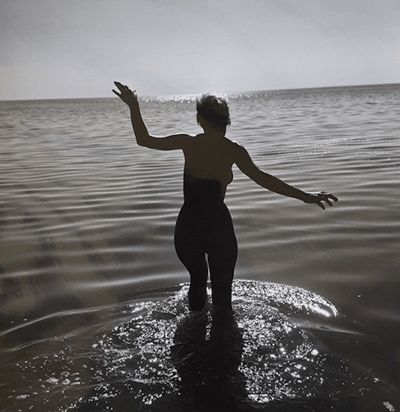
Andre de Dienes
Nude bathing, 1960
Photography
Photograph
EUR 890
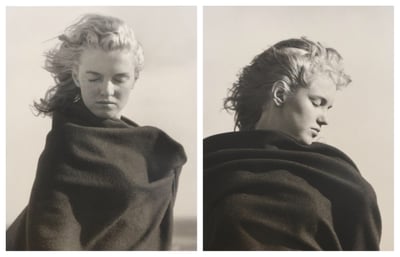
Andre de Dienes
Marilyn Monroe (Set of 2), 1946
Photography
Gelatin Silver Print
USD 3,000

Andre de Dienes
Marilyn Monroe III, 1946
Photography
Gelatin Silver Print
USD 1,500
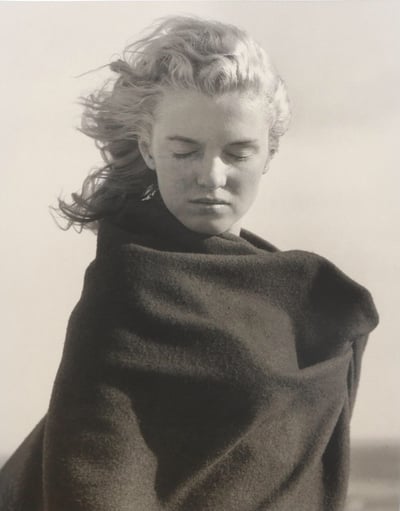
Andre de Dienes
Marilyn Monroe I, 1946
Photography
Gelatin Silver Print
USD 1,500
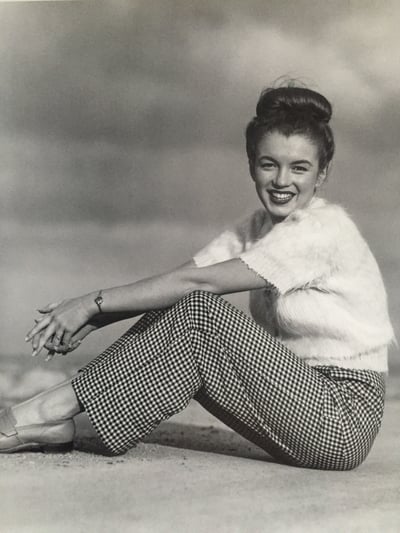
Andre de Dienes
Marilyn nineteen (1945), 2006
Photography
Photograph
EUR 690
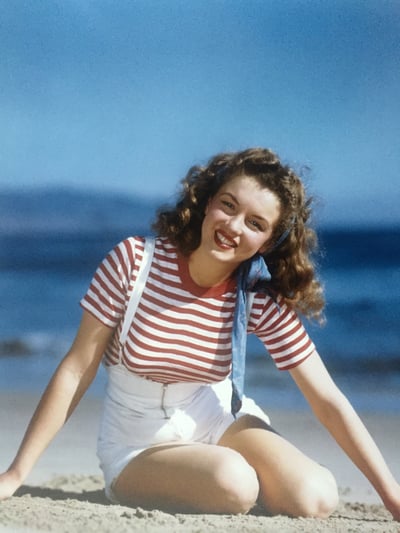
Andre de Dienes
Becoming Marilyn (1945), 2006
Photography
Photograph
EUR 690
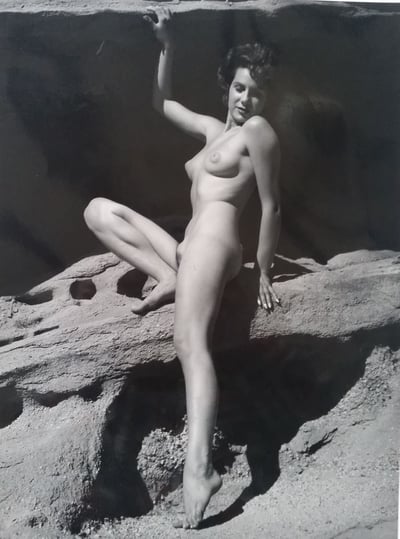
Andre de Dienes
Nu assise sur rocher, 1960
Photography
Photograph
EUR 890
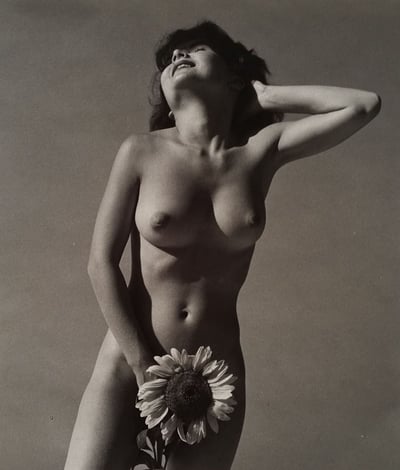
Andre de Dienes
Nu avec fleurs, 1960
Photography
Photograph
EUR 590
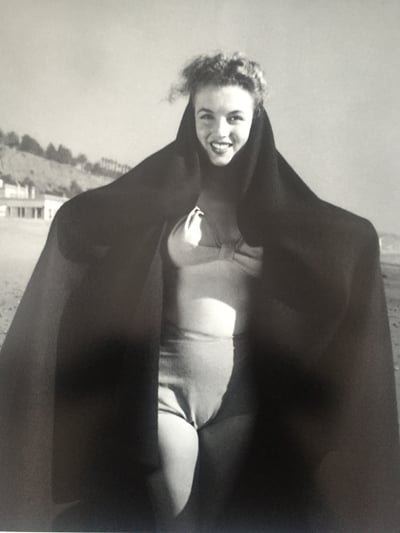
Andre de Dienes
Marilyn. La sortie de bain. (1945), 2006
Photography
Photograph
EUR 690
Andre de Dienes
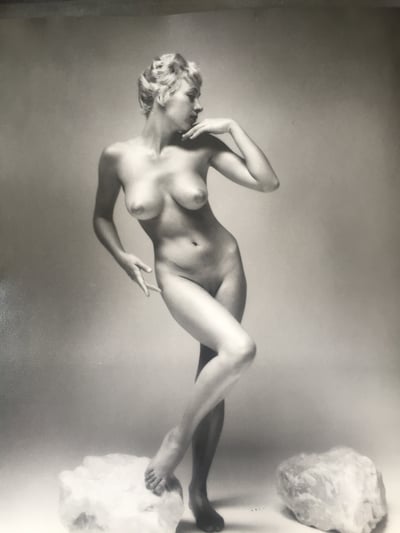
Nu à la pose, 1960
Photography
Photograph
EUR 590

Andre de Dienes
Norma Jean in red (Marilyn Monroe 1945), 2006
Photography
Photograph
EUR 690

Andre de Dienes
Nude on Stone Bench, 1955
Photography
Photograph
Currently Not Available
Related Artists
Related Articles
Art Movements - December 21, 2023
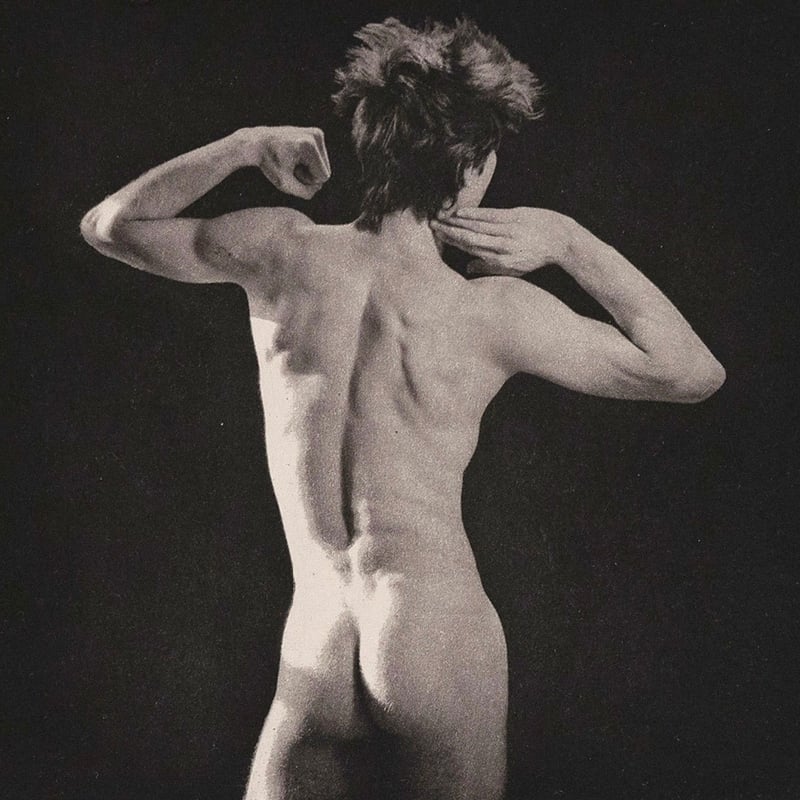
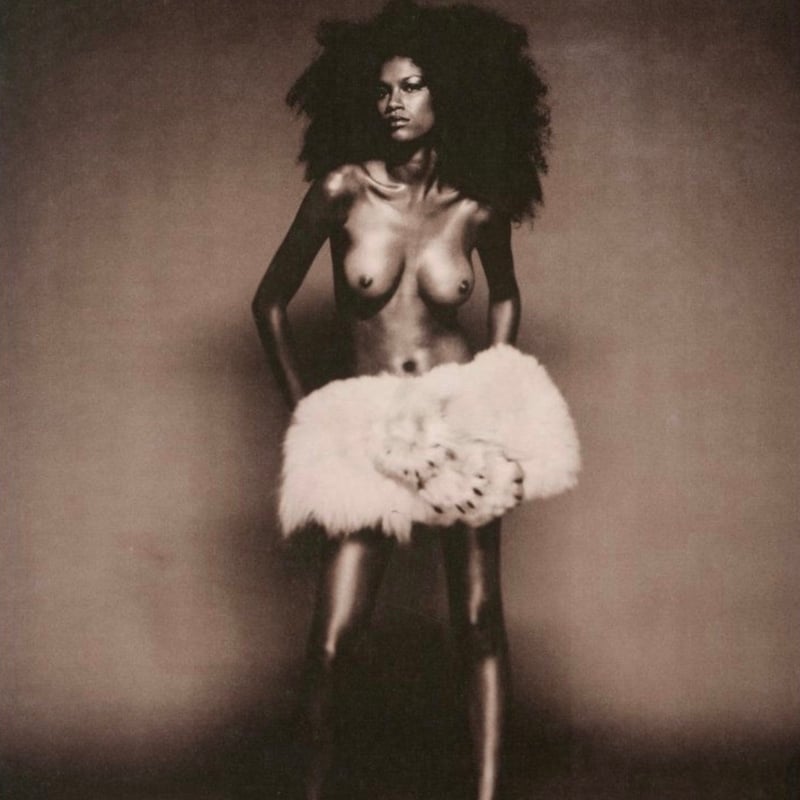
Revelations and Taboos: Unveiling the Naked Truths in Art
Dive into the evolving role of nudity in art, from historical taboos to modern revelations. Explore artists and works that redefine cultural perceptions.Read More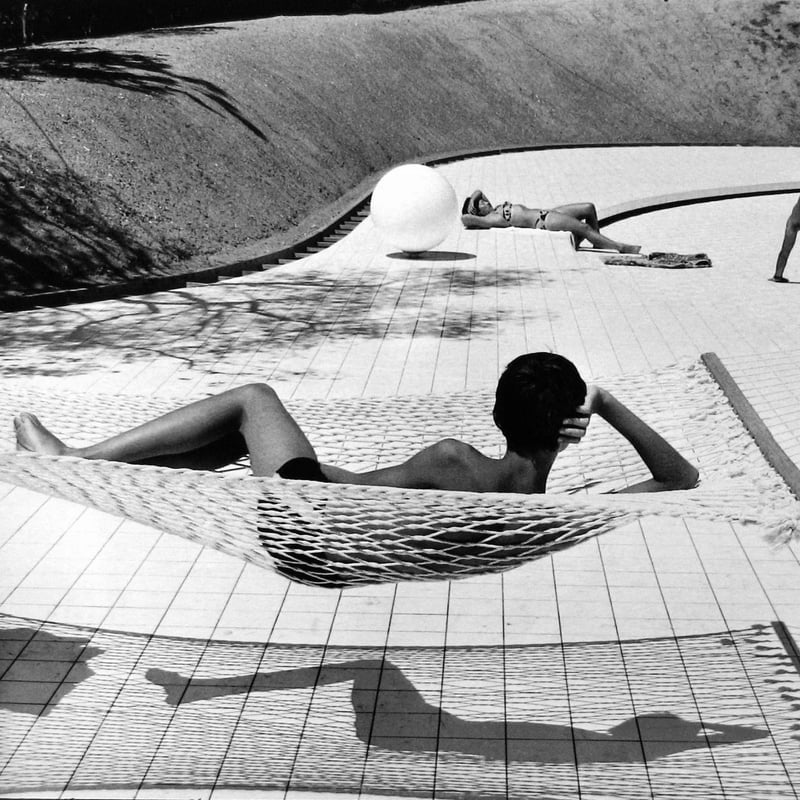
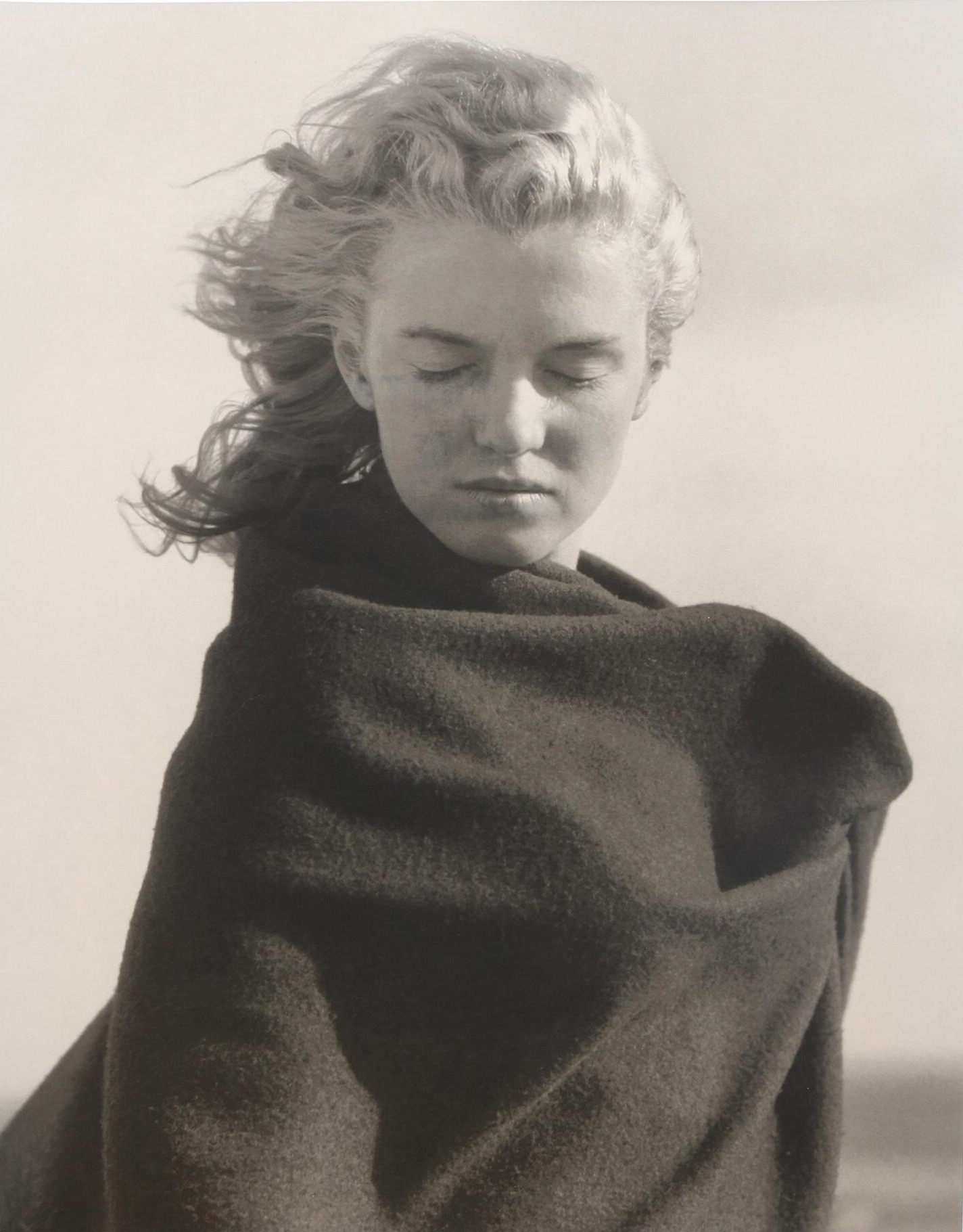
Andre de Dienes
Marilyn Monroe I, 1946
33 x 27.9 cm


