
Orange oval, 1972
Form
Medium
Size
- Inches
- Centimeters
Edition
Price
- Authenticity Guaranteed
- Insured Shipping
- Online Since 2005
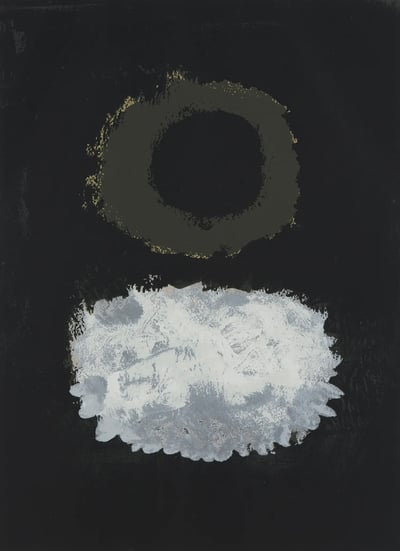
Adolph Gottlieb
Black Field, 1972
Limited Edition Print
Screen-print
USD 3,600
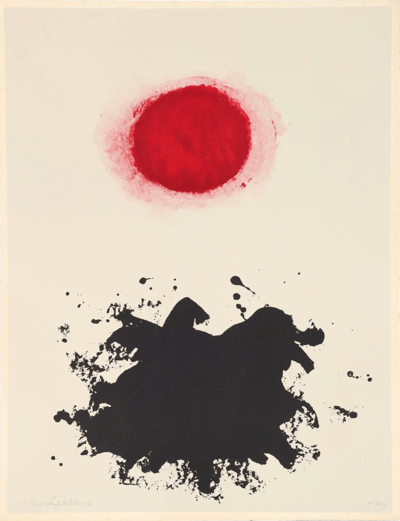
Adolph Gottlieb
Untitled (from the Flight portfolio), 1971
Limited Edition Print
Lithograph
USD 9,000
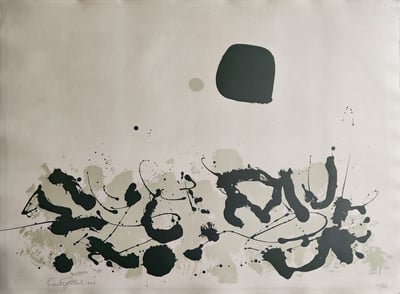
Adolph Gottlieb
Germination, 1969
Limited Edition Print
Lithograph
USD 3,300
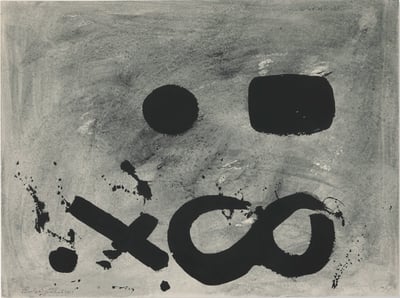
Adolph Gottlieb
Figure Eight, 1967
Limited Edition Print
Screen-print
USD 3,450
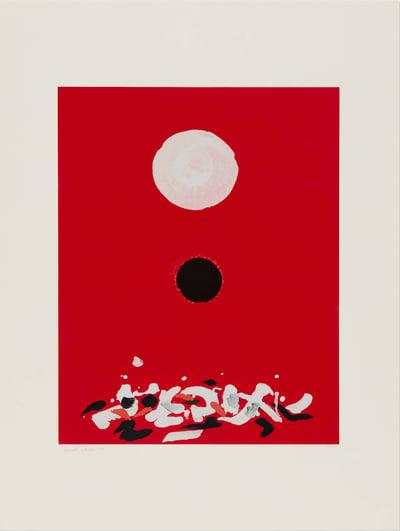
Adolph Gottlieb
Crimson Ground, 1972
Limited Edition Print
Screen-print
USD 3,450
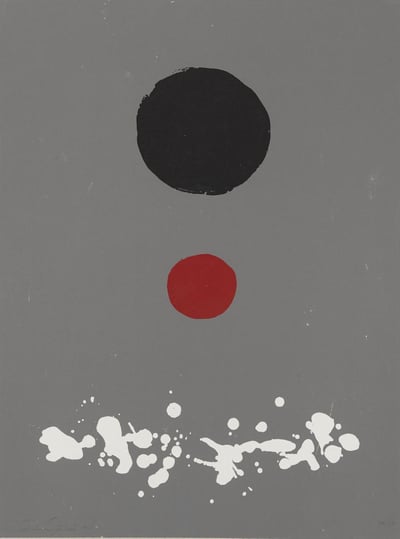
Adolph Gottlieb
Jetsam, 1967
Limited Edition Print
Serigraph
USD 3,350
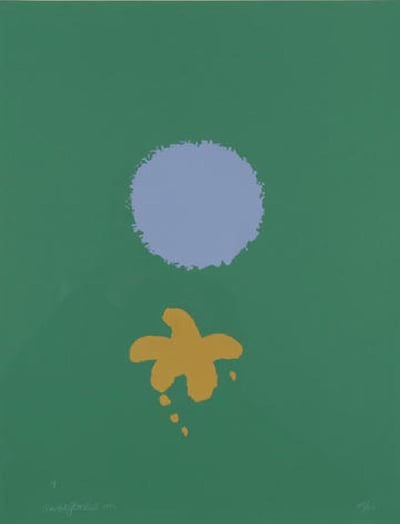
Adolph Gottlieb
Green Ground Blue Disc, 1966
Limited Edition Print
Serigraph
Currently Not Available
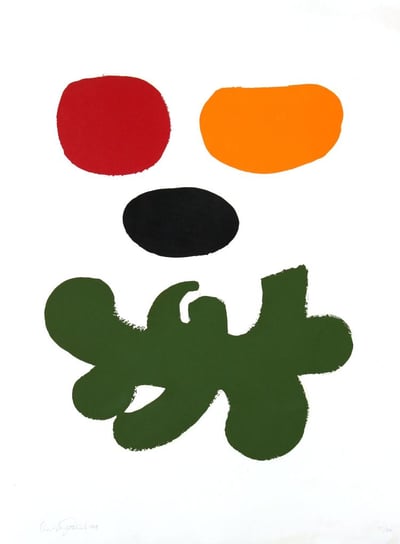
Adolph Gottlieb
Levitation, 1969
Limited Edition Print
Serigraph
Currently Not Available
Related Artists

Related Articles
Popular, Art Movements - November 20, 2024
Understanding Abstract Expressionism: Emotion and Gesture
Explore the emotional depth of Abstract Expressionism! Discover how artists like Pollock and Rothko used gesture and color to convey human complexity.Read More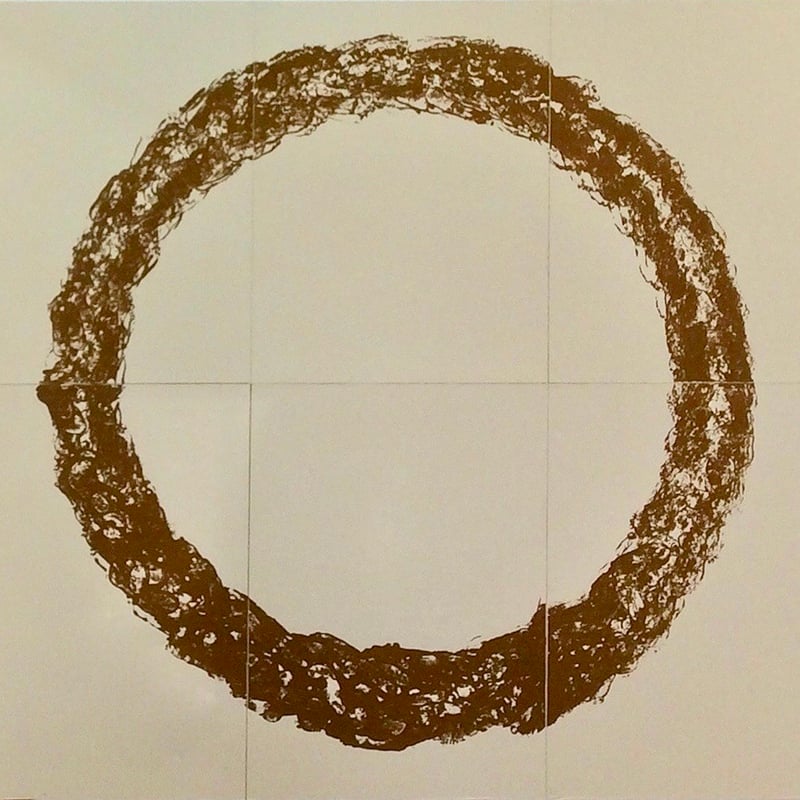
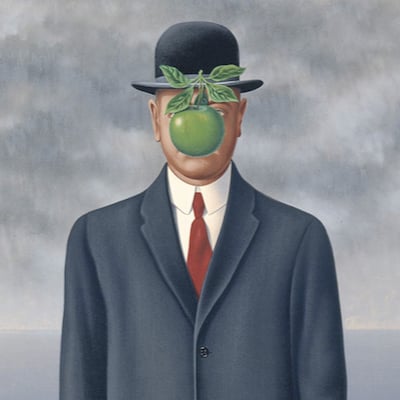
What is Surrealism?
Surrealism began in the 1920s as an art and literary movement with the goal of revealing the unconscious mind and unleashing the imagination by exploring unusual and dream-like imagery. Influenced by Sigmund Freud’s theories of psychoanalysis, Surrealist artists and writers sought to bring the unconscious into rational life, blurring the lines between reality and dreams. The movement aimed to challenge conventional perceptions and express the irrational aspects of the human experience.


