What is lowbrow?
- Show All
- Established
- Discoveries
- Show All
Artworks Related to Lowbrow

Takashi Murakami
Tonari Smiley, 2020
Limited Edition Print
Screen-print
USD 7,200

Takashi Murakami
Smiley Days with Ms. Flower to You!, 2020
Limited Edition Print
Silkscreen
GBP 2,700
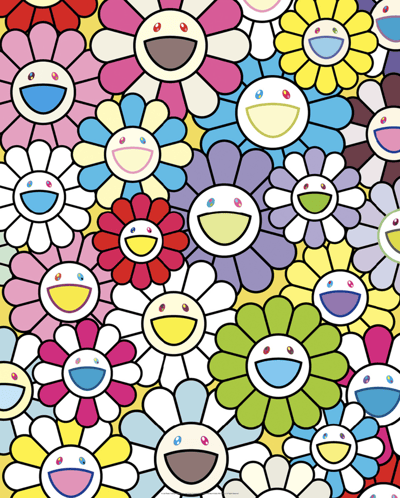
Takashi Murakami
A Little Flower Painting: Yellow, White, and Purple Flowers, 2019
Limited Edition Print
Offset Print
GBP 2,220

Takashi Murakami
Many Things Await Beyond Anywhere Door (Dokodemo Door), 2019
Limited Edition Print
Silkscreen
GBP 3,000

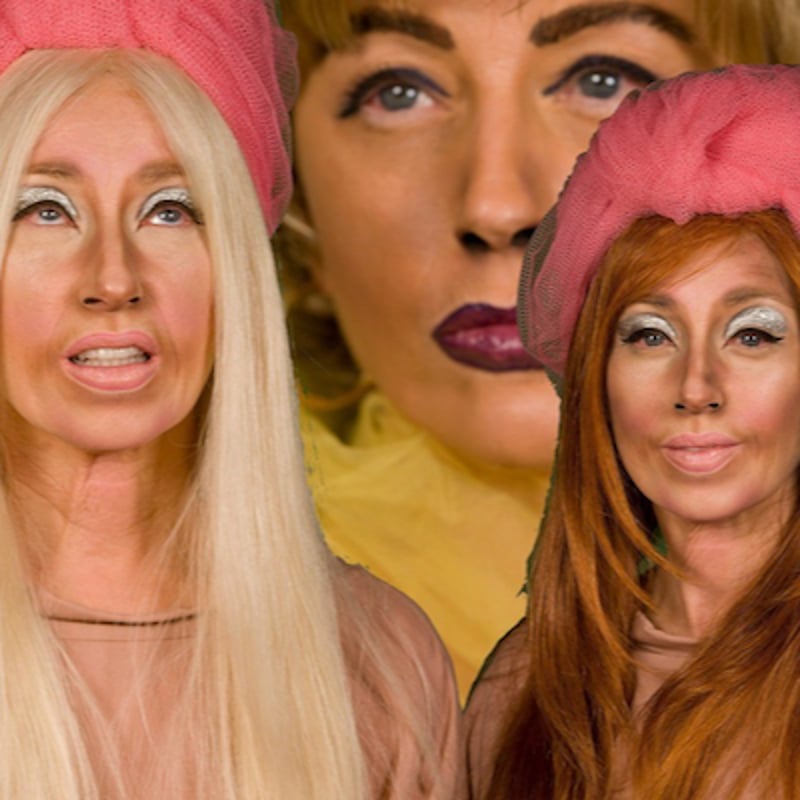
Cindy Sherman
Pregnant Woman, 1991
Photography
Photograph
Inquire For Price

Cindy Sherman
Untitled (Twinkle-Nose), 2021
Photography
C-Print
GBP 2,300

Takashi Murakami
Open Your Hands Wide, 2007-2010
Limited Edition Print
Lithograph
GBP 7,000 - 10,000
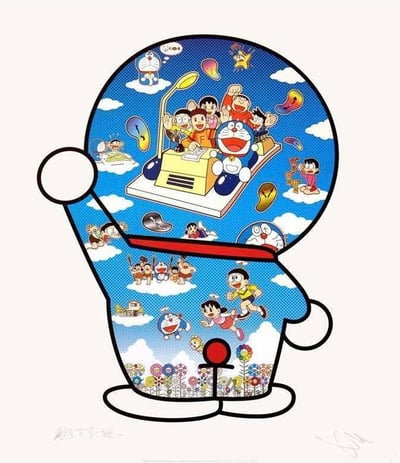
Takashi Murakami
Doraemon, Let's Go Beyond These Dimensions on a Time Machine with Master Fujiko F., 2020
Limited Edition Print
Offset Print
GBP 1,600

Takashi Murakami
Doraemon: Sitting Up: Weeping Some, Laughing Some, 2020
Limited Edition Print
Offset Print
GBP 1,600

Takashi Murakami
Doraemon Sitting Up: A Pleasant Day Under The Blue Sky, 2020
Limited Edition Print
Offset Print
GBP 1,500
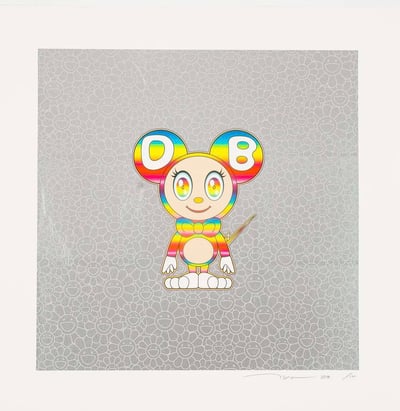
Takashi Murakami
DOB Rainbow, 2020
Limited Edition Print
Lithograph
GBP 2,850

Takashi Murakami
An Homage to Monopink 1960 C, 2012
Limited Edition Print
Offset Print
GBP 3,000

Takashi Murakami
An Homage to Monopink 1960 D, 2012
Limited Edition Print
Offset Print
GBP 3,000

Cindy Sherman
Untitled #114, 1999
Photography
Offset Print
GBP 4,800

Cindy Sherman
Untitled - Marilyn, 1981/1989
Photography
Offset Print
GBP 4,750
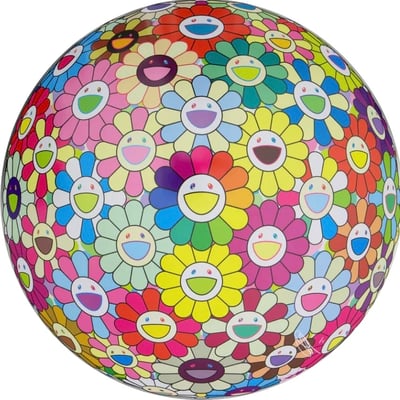
Takashi Murakami
Multiverse, Flowers, 2023
Limited Edition Print
Offset Print
GBP 2,700
Related Articles
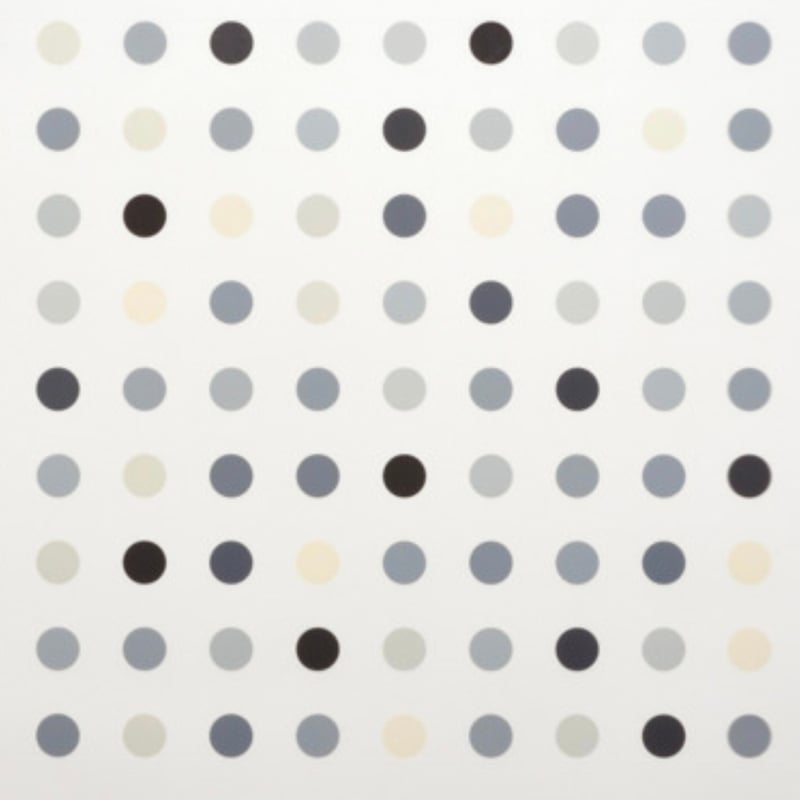
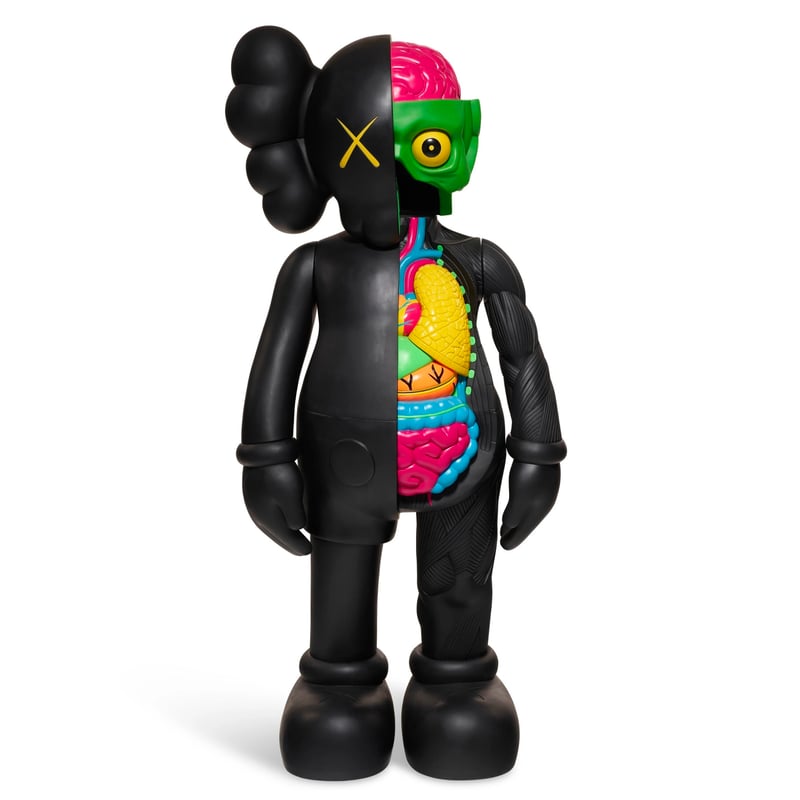
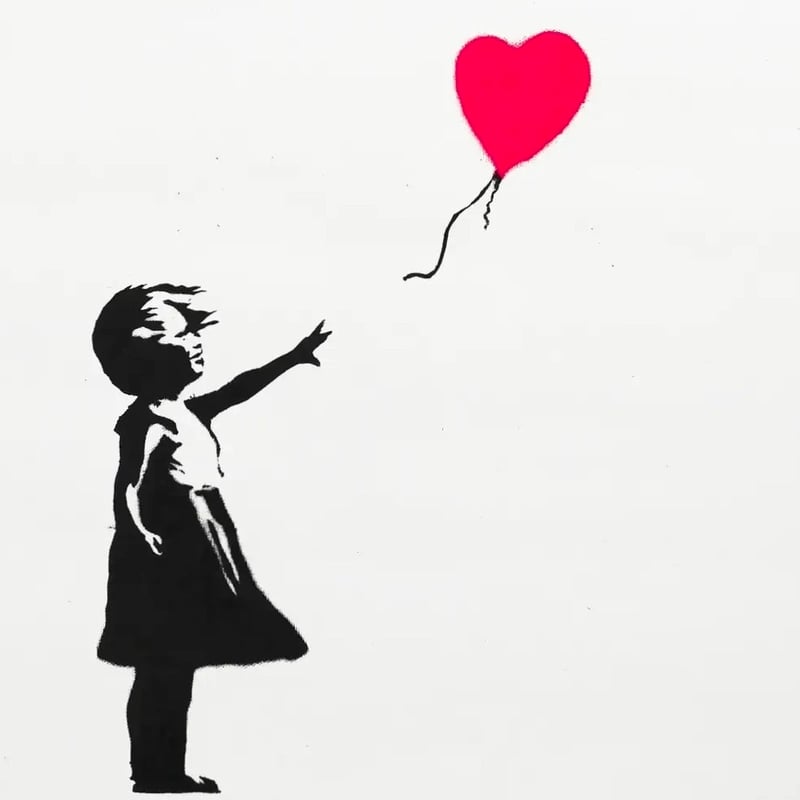

Appropriation in art involves using pre-existing images or objects with little or no modification. This technique has played a significant role across various art forms, including visual arts, music, performance, and literature. In visual arts, appropriation refers to the practice of adopting, sampling, recycling, or borrowing elements—or even entire forms—of existing visual culture, integrating them into new works to create meaning or critique.

A print proof refers to any test impressions made from a printing plate or block to check the image quality before the final print is completed. These proofs are used as quality checks to ensure that the details and alignment are correct. Different types of proofs, such as artist's proofs or trial proofs, serve specific purposes during the printmaking process.

Postmodernism is an art movement that emerged as a reaction against authority and traditional boundaries, seeking to blur the lines between art and everyday life. It aimed to bridge the gap between the cultural elite and the general public by embracing eclectic mixtures of earlier conventions and styles. Postmodernist art often challenges established norms and celebrates diversity, irony, and pastiche, making it a movement that reflects the complexities of contemporary culture.
Can't find your Answer?
Thank you! Your question has been sent — we'll get back to you shortly.
