What is ink?
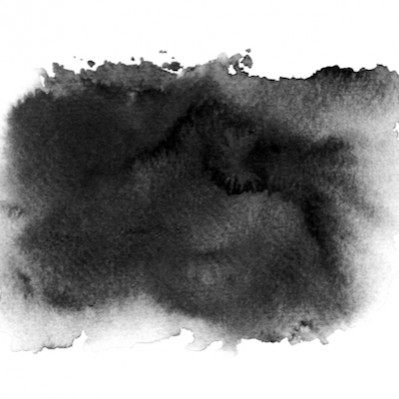
Ink is a colored liquid or paste used for writing, drawing, painting, and printing. The term also refers to the process of applying ink to mark, cover, stain, draw, or trace over pencil lines. Ink can be applied using various tools, such as pens, brushes, and quills.
- Show All
- Established
- Discoveries
ARTWORKS RELATED TO INK

Takashi Murakami
Mr DOB, 2022
Drawing / Watercolor
Ink
GBP 15,000 - 19,500

Takashi Murakami
Untitiled (Mr DOB), 2023
Drawing / Watercolor
Ink
GBP 17,500 - 22,700

Jeff Koons
Untitled (flower), 1993
Drawing / Watercolor
Ink
GBP 35,000 - 45,000

Henri Matisse
Homme et Femme, 1942
Drawing / Watercolor
Ink
Inquire For Price

Jean Tinguely
Shooting paintings, 1970
Drawing / Watercolor
Ink
EUR 4,000
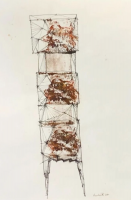
Lynn Chadwick
Study for the Watcher, 1960
Drawing / Watercolor
Ink
Inquire For Price
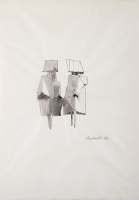
Lynn Chadwick
Two Watchers, 1968
Drawing / Watercolor
Ink
GBP 10,000 - 15,000

Eduardo Chillida
Untitled (Drawing), 1985
Drawing / Watercolor
Ink
Inquire For Price

Pierre Alechinsky
Tête Bêche, 1987
Drawing / Watercolor
Ink
EUR 7,200

Tom Wesselmann
Private Listing
Drawing / Watercolor
Ink
Request Info

Miquel Barceló
Sin título, 1984
Drawing / Watercolor
Ink
Inquire For Price

Joe Bradley
Untitled (Angular Face), 2014
Limited Edition Print
Ink
USD 1,300

John Armleder
Étude, 1966
Drawing / Watercolor
Ink
EUR 4,000

KAWS
Unique Ink Sketch on PAFA , 2013
Drawing / Watercolor
Ink
Inquire For Price
Related Articles

Popular, Art Movements - May 01, 2020
Reinvention of the Art world: The Insurgency of Pop Art
Explore the rise of Pop Art, from its roots in 1950s Britain to its global impact. Discover iconic works by Warhol, Lichtenstein, and others redefining culture. Read More
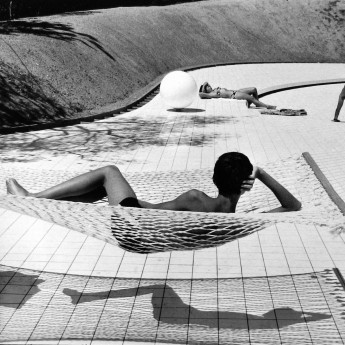
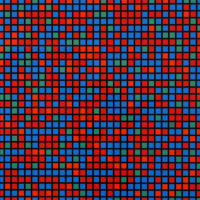
Geometric abstraction is a form of abstract art that uses geometric shapes arranged in a non-illusionistic space (though not always) and combined into non-representational (non-objective) compositions. Based on years of artistic research, some artists have proposed that geometric abstraction offers a solution to modern challenges by rejecting traditional illusionistic practices in favor of clarity and simplicity.
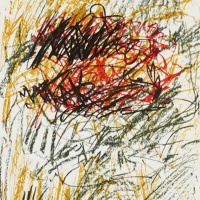
Gestural art is a term that describes painting with freely sweeping brushstrokes. The primary goal of gestural art is to allow the artist to physically express emotional impulses. The varied, yet expressive paint marks are intended to convey the artist's inner thoughts and emotions, which viewers are believed to understand through the dynamic and spontaneous application of paint.