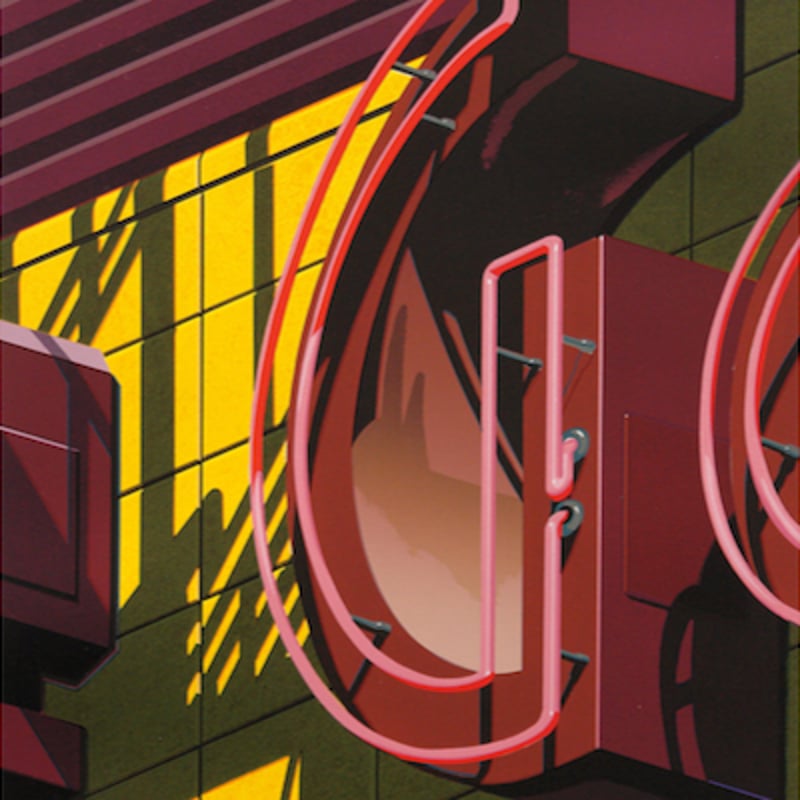
What is Hyper-realism?
Hyperrealism is a genre of sculpture and painting that closely resembles high-resolution photographs. It is an evolution of Photorealism and is often applied to an independent art style or movement that became prominent in Europe and the United States in the early 2000s. Hyperrealist artists focus on extreme detail and precision, creating works that are often indistinguishable from real-life images.
Show All
- Show All
- Established
- Discoveries
Show All
- Show All


Related Articles


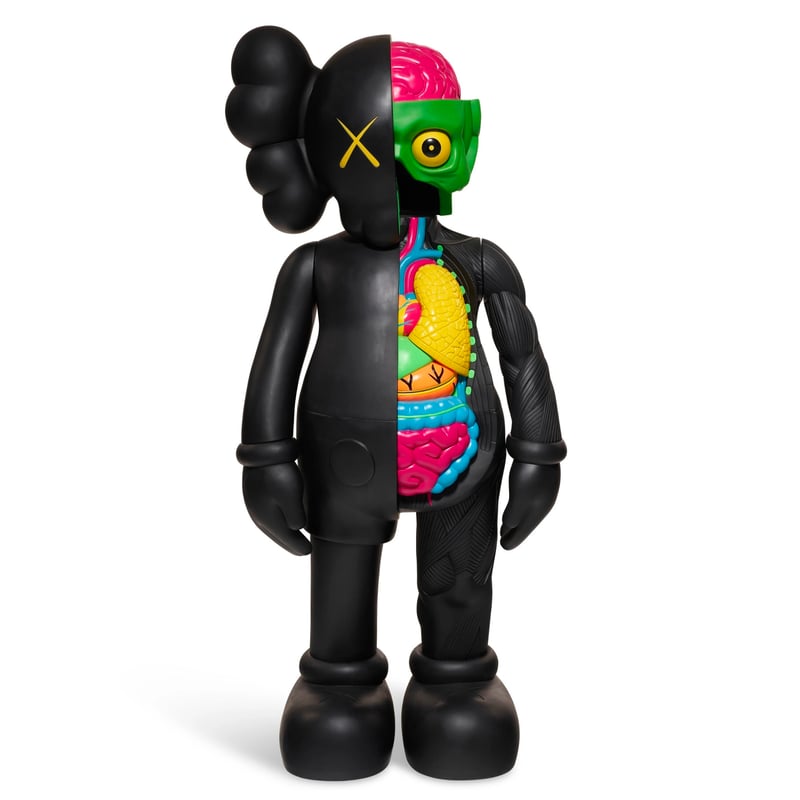

Queer Aesthetics refers to an art movement that emerged in the 1980s, focusing on themes of homosexuality, lesbianism, and broader issues of identity and gender. This movement gained momentum in the context of the AIDS crisis and the feminist movement, challenging traditional representations of sexuality and gender. Queer Aesthetics often explores the fluidity of gender and identity, as seen in the works of artists like Nan Goldin, who is known for her photography of individuals with ambiguous or non-conforming gender presentations.
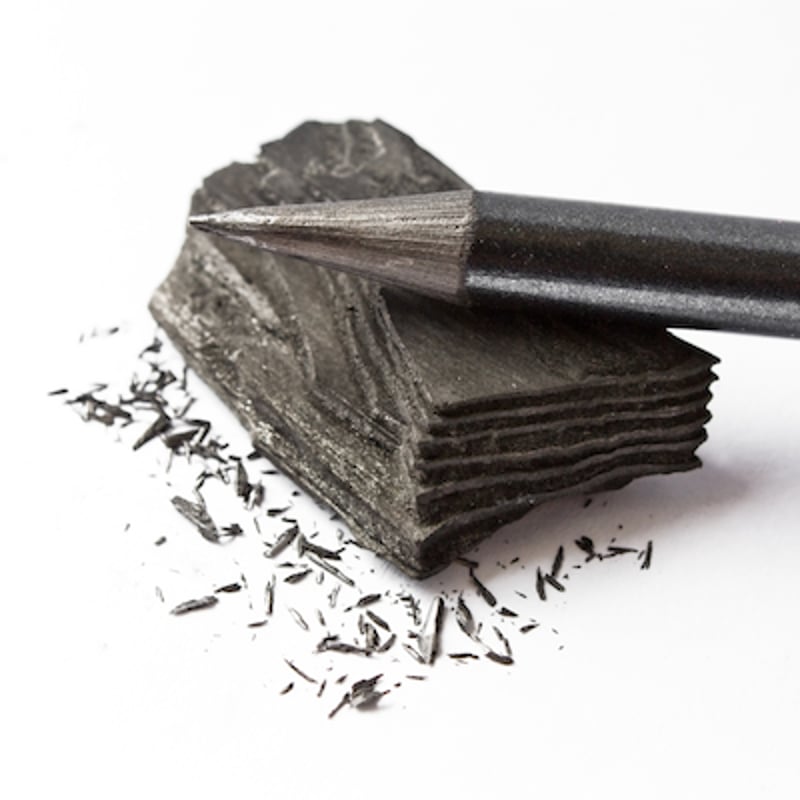
Graphite is a form of carbon commonly used as the core material in pencils. It can be compressed to various levels of hardness, allowing for different shading effects in drawing. In powdered form, graphite can be applied with a brush for broader, softer applications. Graphite erases easily and was first discovered in the 1500s in England's Lake District.

Authenticity refers to the qualities that define an original artwork as genuine, created by the artist under the original circumstances. A reproduction lacks authenticity because it was not made by the original artist and does not share the same context or creation process. The authenticity of an original artwork can be questioned when reproductions exist, which can diminish its value. Authenticity is often established through provenance, expert analysis, and documentation, ensuring the artwork's originality.
Can't find your Answer?
Thank you! Your question has been sent — we'll get back to you shortly.
