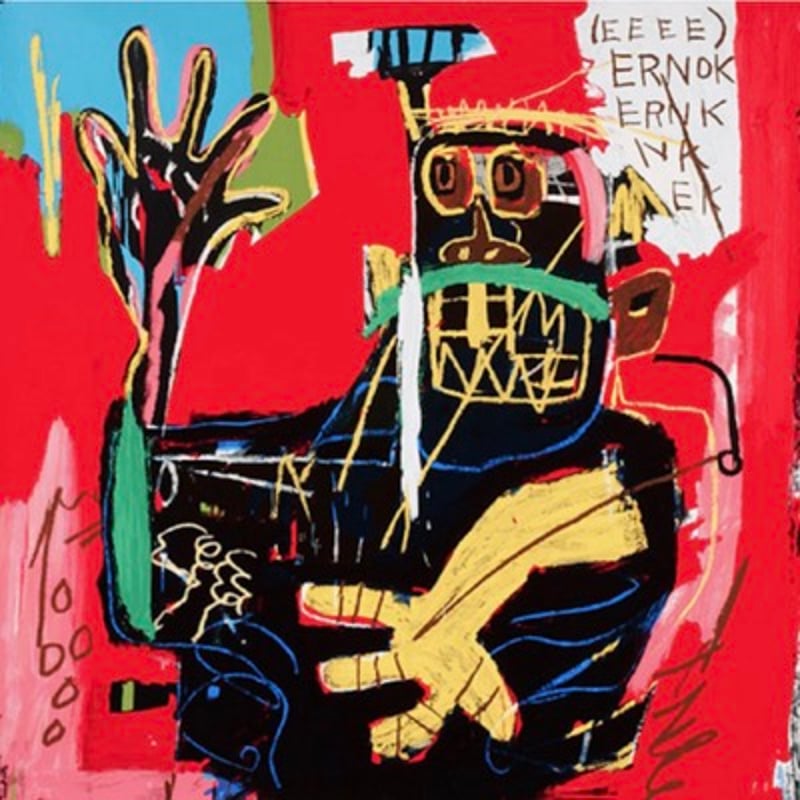
What is East Village Art?
- Show All
- Established
- Discoveries
- Show All
Artworks Related to East Village Art
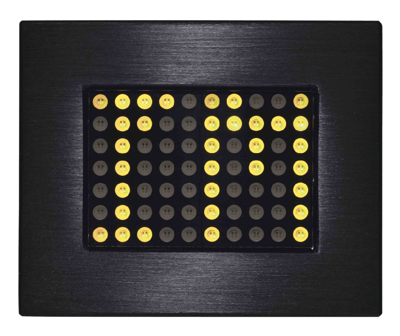
Jenny Holzer
Truism 4 (Mother & Child), 1990
Sculpture / Object
Mixed Media
USD 5,000 - 7,000

Jenny Holzer
Truism 2, 1977-79
Sculpture / Object
Mixed Media
USD 5,000 - 7,000

Jenny Holzer
Living 2, 1980-82
Sculpture / Object
Mixed Media
USD 5,000 - 7,000
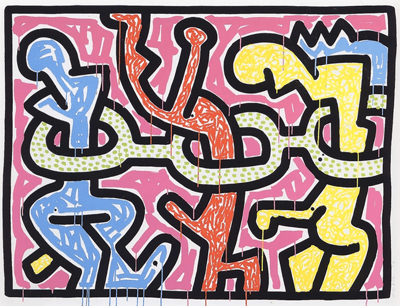
Keith Haring
Flowers II (Pink), 1990
Limited Edition Print
Screen-print
USD 50,000 - 60,000
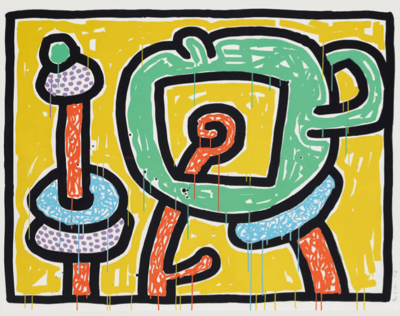
Keith Haring
Flowers III (Yellow), 1990
Limited Edition Print
Screen-print
USD 45,000 - 55,000
Keith Haring
Private Listing
Drawing / Watercolor
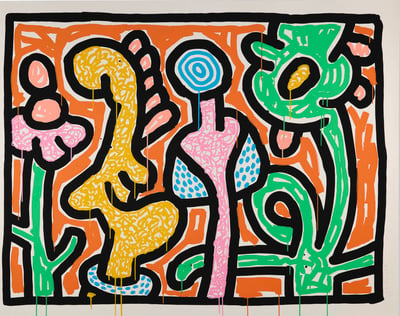
Keith Haring
Flowers IV, 1990
Limited Edition Print
Screen-print
USD 42,500
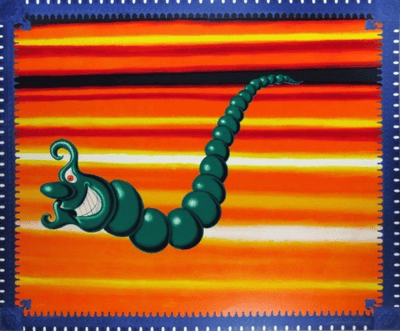
Kenny Scharf
Jade Pea God, 1989
Limited Edition Print
Screen-print
USD 3,750
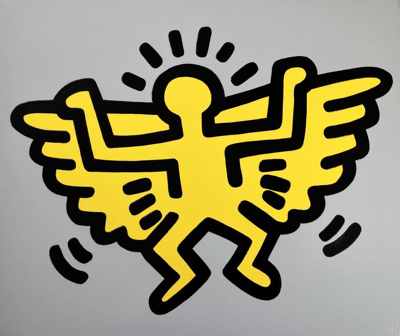
Keith Haring
Icons (C) - Winged Angel, 1990
Limited Edition Print
Silkscreen
USD 29,000
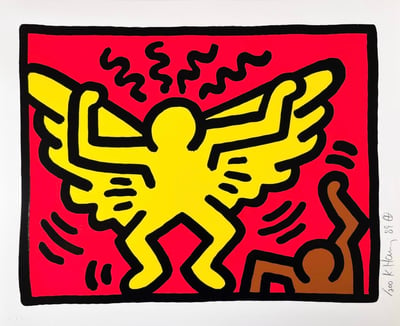
Keith Haring
Pop Shop IV (A), 1989
Limited Edition Print
Silkscreen
USD 50,000 - 60,000
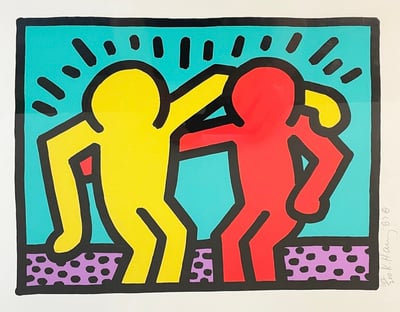
Keith Haring
Best Buddies, 1987
Limited Edition Print
Silkscreen
USD 60,000 - 80,000
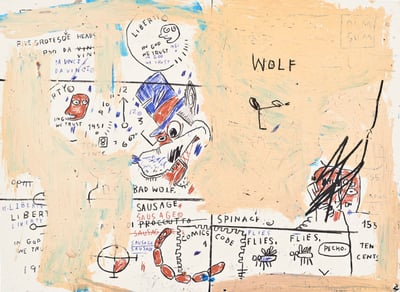
Jean-Michel Basquiat
Wolf Sausage, 1982-83/2019
Limited Edition Print
Screen-print
Inquire For Price
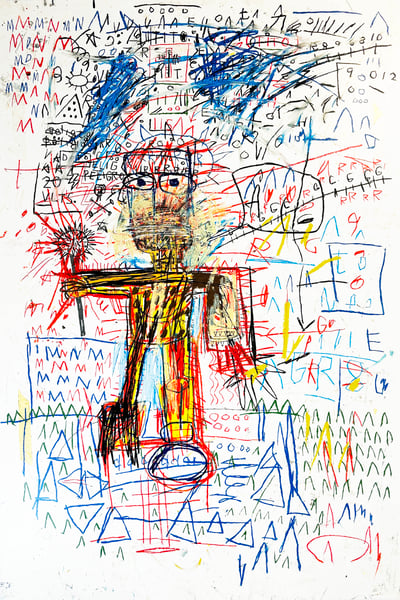
Jean-Michel Basquiat
Untitled IV from The Figures Portfolio, 1982/2023
Limited Edition Print
Screen-print
USD 50,000 - 60,000
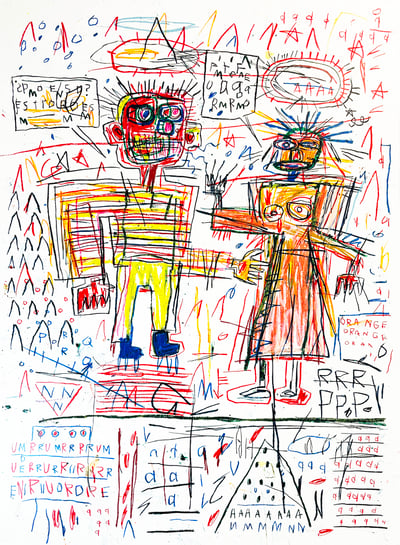
Jean-Michel Basquiat
Untitled III from The Figures Portfolio, 1982/2023
Limited Edition Print
Screen-print
USD 50,000 - 60,000
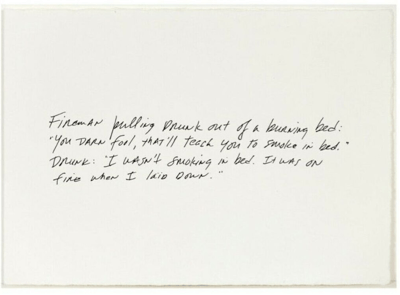
Richard Prince
The Greeting Card Jokes: #1 The Fireman, 2011
Limited Edition Print
Mixed Media
GBP 5,400
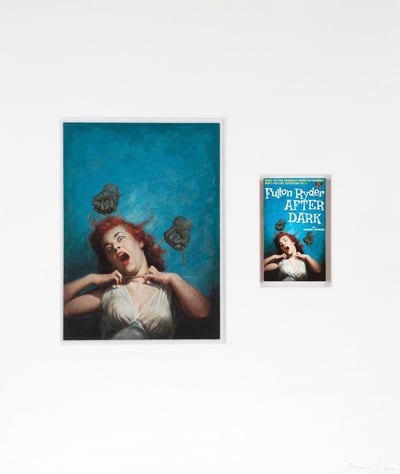
Richard Prince
Fulton Ryder After Dark, 2012
Limited Edition Print
Offset Print
GBP 5,950
Related Articles
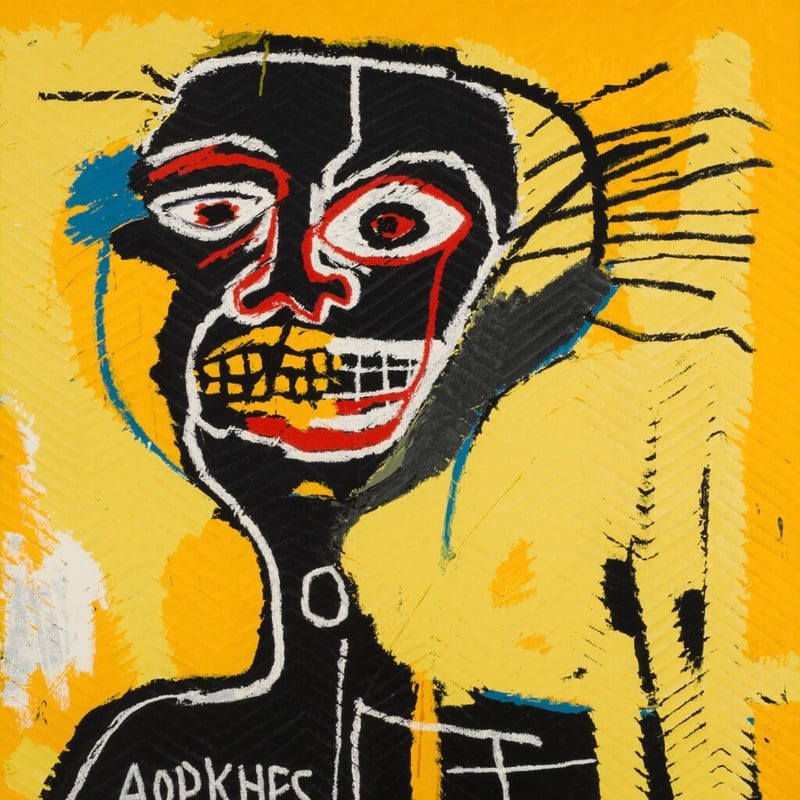
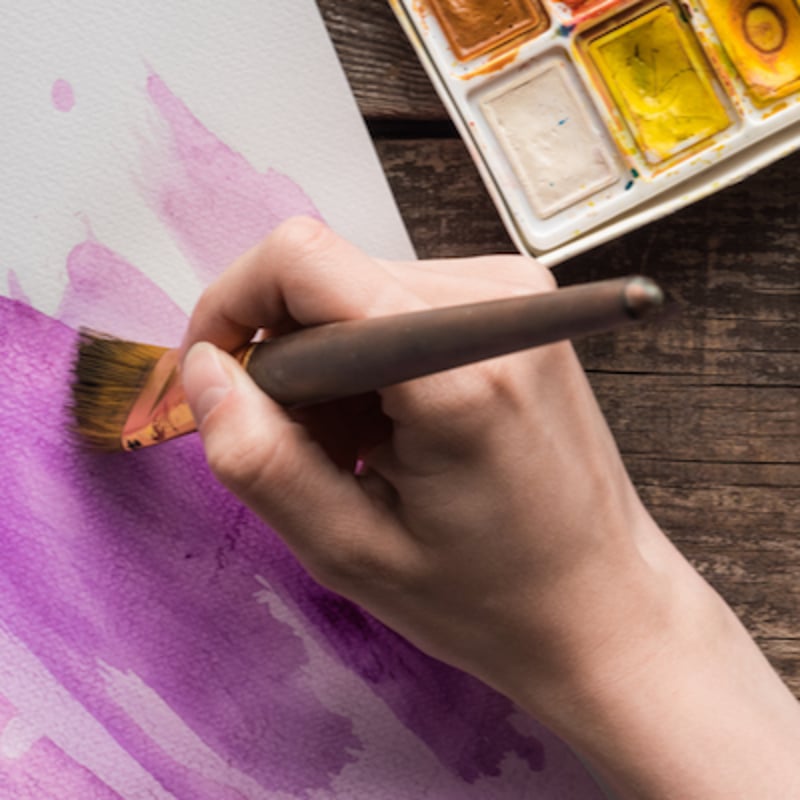
Acrylic on paper is a technique that involves using acrylic paints on various paper types and textures. Artists often choose watercolor paper with smooth or rough surfaces to apply acrylics using watercolor techniques such as bleeding, washing, and spattering. This approach allows for a wide range of effects, combining the flexibility of acrylics with the delicate qualities of watercolor methods.

A print proof refers to any test impressions made from a printing plate or block to check the image quality before the final print is completed. These proofs are used as quality checks to ensure that the details and alignment are correct. Different types of proofs, such as artist's proofs or trial proofs, serve specific purposes during the printmaking process.
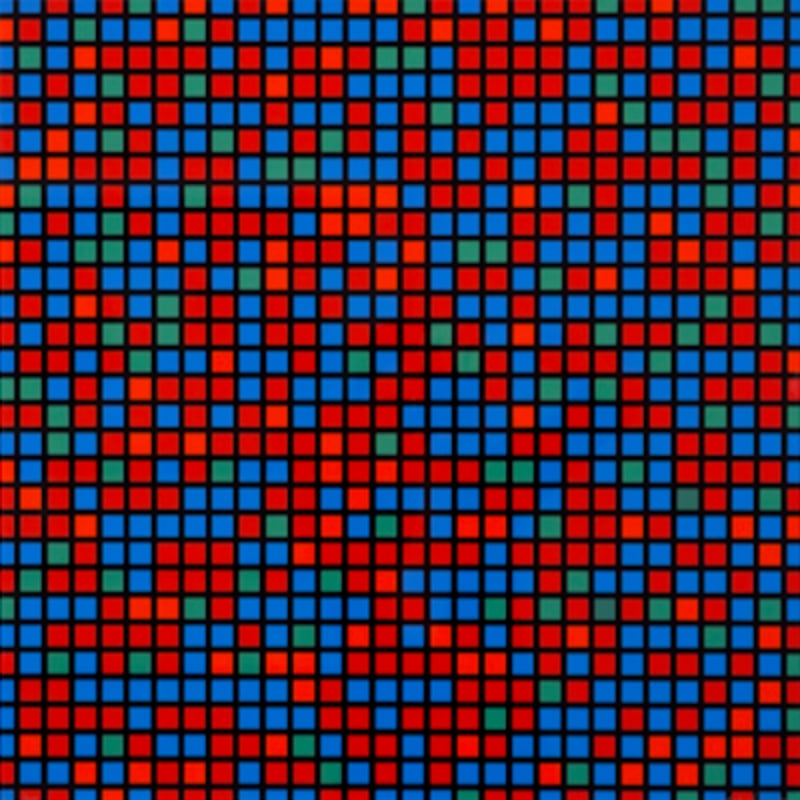
Geometric abstraction is a form of abstract art that uses geometric shapes arranged in a non-illusionistic space (though not always) and combined into non-representational (non-objective) compositions. Based on years of artistic research, some artists have proposed that geometric abstraction offers a solution to modern challenges by rejecting traditional illusionistic practices in favor of clarity and simplicity.
Can't find your Answer?
Thank you! Your question has been sent — we'll get back to you shortly.
