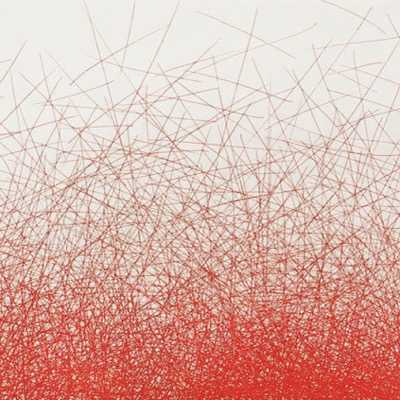
What is Dansaekhwa?
Tansaekhwa, also known as monochrome painting, is a movement in Korean art that began in the mid-1970s. These artworks are characterized by the manipulation of painting materials, such as pushing paint, soaking the canvas, ripping paper, or other techniques that alter the medium. Tansaekhwa emphasizes texture, materiality, and the physical process of creating the artwork.
Show All
- Show All
- Established
- Discoveries
Show All
ARTWORKS RELATED TO DANSAEKHWA

Lee Ufan
Lee UFAN | Dalla Memoria Di Una Citta #3, 1989
Limited Edition Print
Lithograph
Currently Not Available
Related Articles

Artists - April 04, 2025
Exploring the Art of Jim Dine: A Must-Have for Every Contemporary Art Collection
Discover Jim Dine’s iconic art—hearts, robes, tools, and Pinocchio—blending personal stories with timeless appeal for collectors. Read More


Clay is a natural material formed when rocks break down over time due to weathering. Water carries the fine particles of earth, which accumulate as a soft, sticky substance called muck. This muck is collected, cleaned, and refined by removing impurities like rocks and adding sand to improve its texture, resulting in usable clay.

Found objects (or objet trouvé in French) are everyday items that an artist finds and incorporates into a work of art. While collectors have displayed aesthetically pleasing objects for centuries, modern art often uses objects that originally had non-artistic functions, such as recycled or repurposed materials.