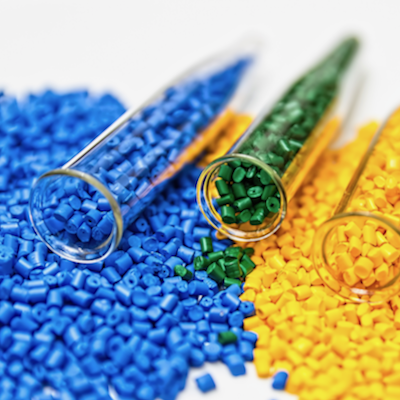
What is plastic?
Plastic is a material made from synthetic or organic compounds that can be molded into various shapes. It became a popular medium for artwork in the 20th century. Plastics can be cut, shaped, assembled, and painted with acrylics, making them versatile for creating new objects and art forms.
Show All
- Show All
- Established
- Discoveries
Show All
ARTWORKS RELATED TO PLASTIC

William Sweetlove
Water Warrior Red, 2022
Sculpture / Object
Plastic
USD 320

William Sweetlove
Water Warrior Silver, 2022
Sculpture / Object
Plastic
USD 320

Enrico Castellani
Superficie (Vanilla/Gold), 1968
Limited Edition Print
Plastic
EUR 4,200

William Sweetlove
Cloned Schnauzer with water bottle, 2019
Sculpture / Object
Plastic
EUR 600

William Sweetlove
Cuban Cloned Penguin, 2020
Sculpture / Object
Plastic
EUR 500

Enrico Castellani
Superficie Bianca, 1968
Limited Edition Print
Plastic
Currently Not Available

Yaacov Agam
Rainbow Torah, 1992
Sculpture / Object
Plastic
Currently Not Available
Related Articles

Collecting - March 25, 2025
Understanding Editioned Sculptures: What Collectors Need to Know
Explore the value of editioned sculptures, from bronze to electric art. Learn how edition size, material, and artist impact collectability. Read More


Lettrism is an art form that uses letters, words, and symbols to create artwork. The movement was established in Paris in the 1940s and later gained popularity in the 1950s in America. Lettrisme is the French spelling of the movement's name, derived from the French word for letter.
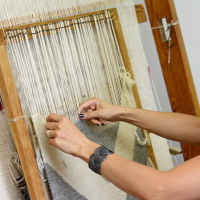
Tapestry is a woven form of textile. It is generally heavy, and the completed work has a decorative pattern, design or realistic depiction of a portrait or real life activities. Tapestries were hung on castle walls and behind thrones as symbols of royal authority.