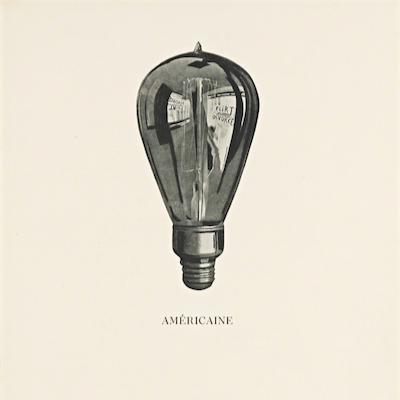
What is dada?
Also known as Dadaism, Dada was a literary and artistic movement that began in 1916 in Zurich, Switzerland. It emerged as a rejection of rationalism and nationalism, which were seen as contributing factors to World War I. The movement had political undertones and was strongly anti-war. Dada activities included demonstrations, gatherings, and the publication of literary and art journals that explored cultural and political topics.
- Show All
- Established
- Discoveries
ARTWORKS RELATED TO DADA

Georg Baselitz
Serpentine - green, 2022
Limited Edition Print
Etching and Aquatint
Inquire For Price

Man Ray
Le Violon d'Ingres, 1968
Limited Edition Print
Lithograph
EUR 5,000

Man Ray
The Rebus, 1926
Photography
Gelatin Silver Print
EUR 6,500

Man Ray
La Montagna di Cristallo, 1971
Limited Edition Print
Lithograph
EUR 2,400

Man Ray
Invasion de l'espace, 1974
Limited Edition Print
Lithograph
EUR 2,300

Joan Miró
Personnage Romantique, 1975
Limited Edition Print
Etching and Aquatint
EUR 9,000

Joan Miró
La Revolte des Caracteres, 1982
Limited Edition Print
Etching
EUR 7,800

Joan Miró
Le Lezard aux Plumes D'or, 1971
Limited Edition Print
Lithograph
EUR 6,700

Joan Miró
Le Lezard aux Plumes D'or, 1971
Limited Edition Print
Lithograph
EUR 7,200

Joan Miró
Untitled (Cosmic Bloom),
Drawing / Watercolor
Mixed Media
USD 17,000 - 21,000

Joan Miró
Untitled (Chromatic Scribble),
Drawing / Watercolor
Mixed Media
USD 17,000 - 21,000

Fernandez Arman
Ofelia, 1996
Sculpture / Object
Bronze
USD 4,750

Joan Miró
Les Oiseleurs I, 1951
Limited Edition Print
Lithograph
USD 18,500

Joan Miró
La Conversation, 1969
Limited Edition Print
Lithograph
USD 25,000

Joan Miró
Arlequin Circonscrit, 1973
Limited Edition Print
Lithograph
USD 15,000

Man Ray
Masque, 1971
Sculpture / Object
Bronze
USD 9,750
Related Articles

Popular, Art Movements - January 24, 2025
Exploring Dadaism: Art in the Absurd
Discover Dadaism, the radical 20th-century art movement that challenged norms with absurdity and defiance. Explore its origins, techniques, and lasting legacy. Read More


Acrylic on canvas is a technique where acrylic paint is applied to a canvas surface using tools like brushes and palette knives. Acrylic paint is a synthetic medium made from liquid plastic, which can be thinned with water and dries quickly when exposed to air. This fast-drying quality makes it versatile for layering and various painting techniques.
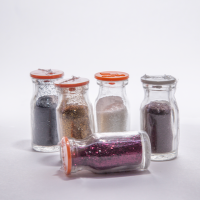
Carborundum is the trademark name for silicon carbide crystals, an abrasive material commonly used in sandpaper, cutting tools, and grinding wheels. Originally, artists used carborundum for grinding lithography stones. In collagraph printmaking, it is applied to plates to create texture and tone gradients, adding depth and contrast to the prints.