
What is Colour Field Painting?
- Show All
- Established
- Discoveries
- Show All
Artworks Related to Colour Field Painting

Howard Hodgkin
A Storm, 1977
Limited Edition Print
Mixed Media
Currently Not Available

Richard Diebenkorn
Untitled (from Club/Spade Group '81-82), 1986
Limited Edition Print
Lithograph
Inquire For Price
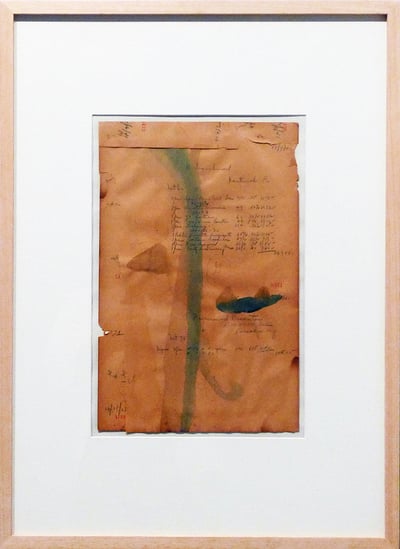
Juan Usle
The Book of Landscapes II, 1987
Drawing / Watercolor
Mixed Media
EUR 2,350
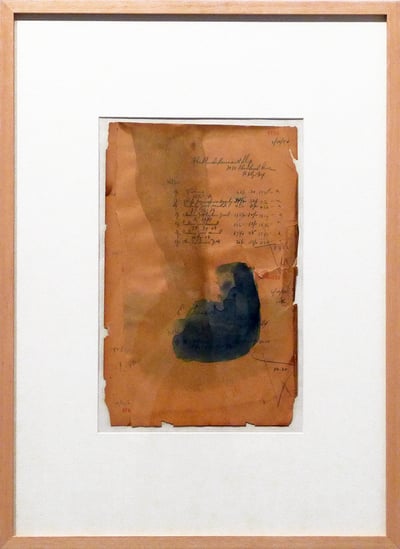
Juan Usle
The Book of Landscapes I, 1987
Drawing / Watercolor
Mixed Media
Inquire For Price
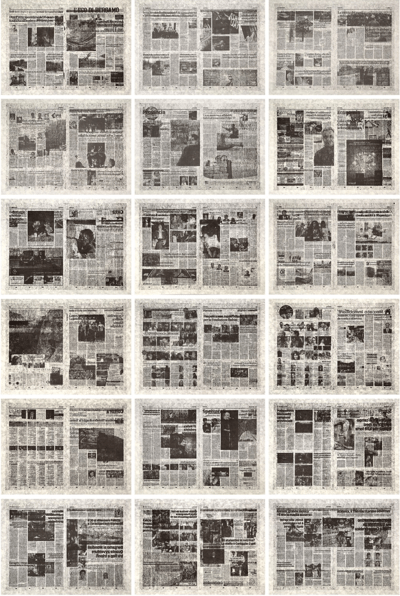
Jacob Kassay
L'eco di Bergamo , 2014
Limited Edition Print
Lithograph
EUR 90,000 - 110,000

Ellsworth Kelly
Tournes , 1973-76
Limited Edition Print
Lithograph
USD 15,000 - 19,000

Ellsworth Kelly
Germigny , 1973-76
Limited Edition Print
Lithograph
USD 15,000 - 19,000

Howard Hodgkin
Cardo's Bar (black), 1979
Limited Edition Print
Mixed Media
EUR 1,450
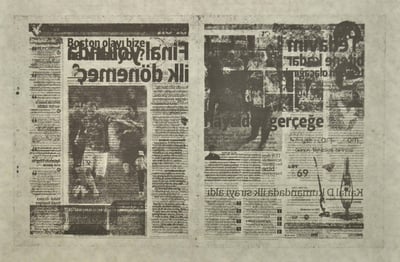
Jacob Kassay
Untitled 5/10 (Radikal), 2013
Limited Edition Print
Lithograph
EUR 5,500
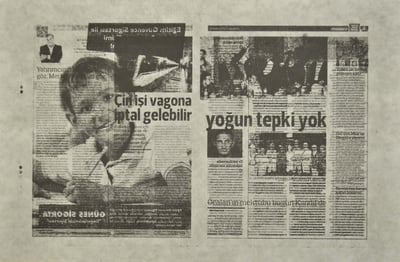
Jacob Kassay
Untitled 1/10 (Radikal), 2013
Limited Edition Print
Lithograph
EUR 5,500
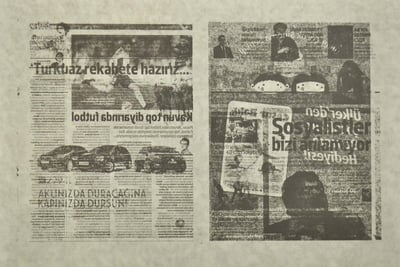
Jacob Kassay
Untitled 9/10 (Radikal), 2013
Limited Edition Print
Lithograph
EUR 5,500
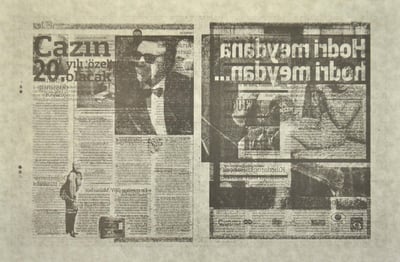
Jacob Kassay
Untitled 8/10 (Radikal), 2013
Limited Edition Print
Lithograph
EUR 5,500
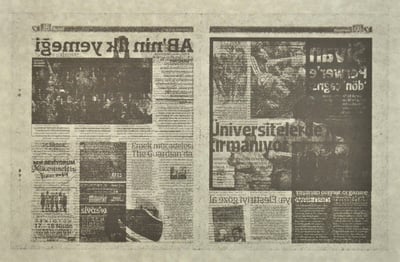
Jacob Kassay
Untitled 2/10 (Radikal), 2013
Limited Edition Print
Lithograph
EUR 5,500
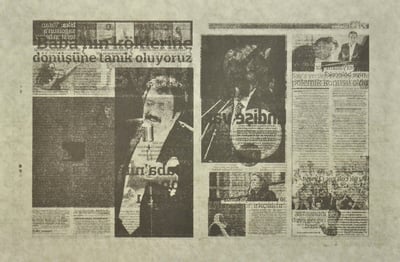
Jacob Kassay
Untitled 10/10 (Radikal), 2013
Limited Edition Print
Lithograph
EUR 5,500
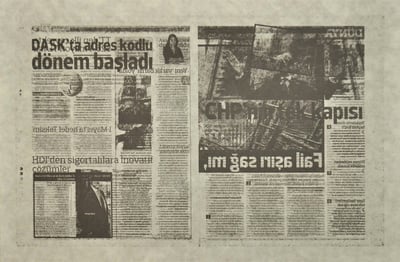
Jacob Kassay
Untitled 3/10 (Radikal), 2013
Limited Edition Print
Lithograph
EUR 5,500
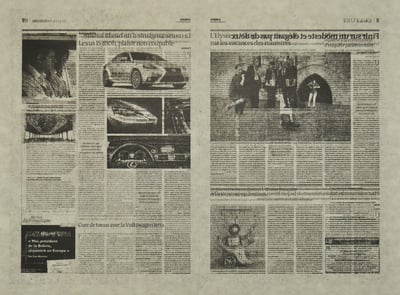
Jacob Kassay
Untitled 3/7 (Le Monde), 2013
Limited Edition Print
Lithograph
EUR 5,500
Related Articles
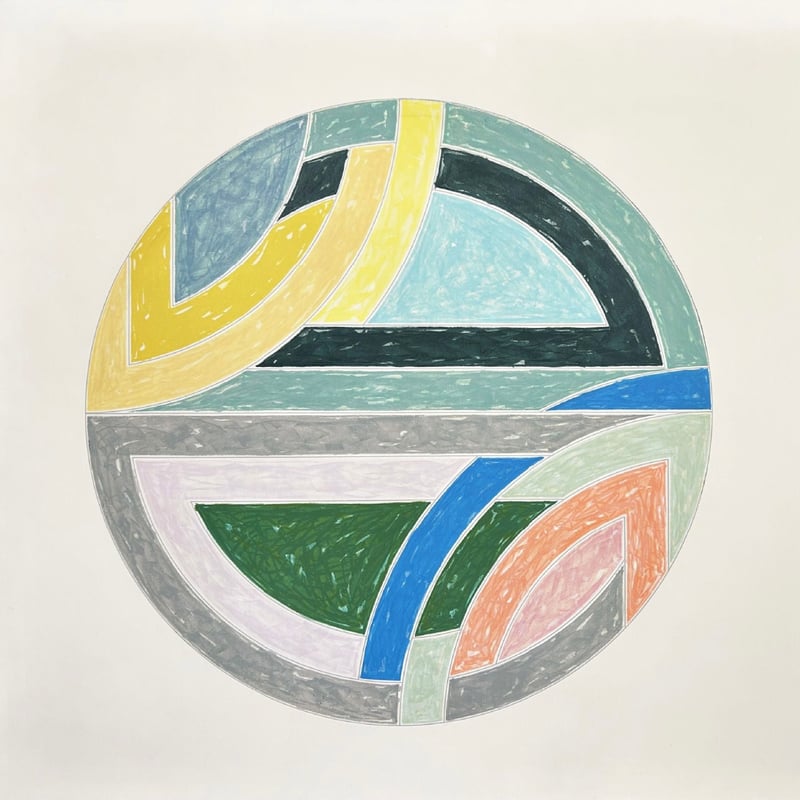
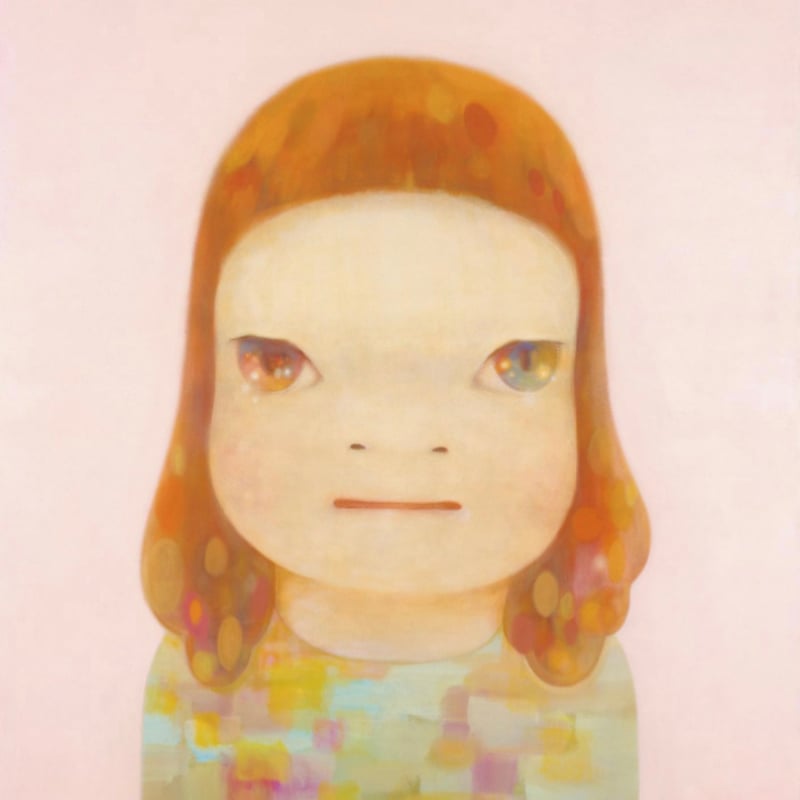

Crayon is a French word that means pencil. In art, a crayon is a stick made of colored wax, chalk, charcoal, or clay used for drawing and coloring. Crayons are typically made from paraffin wax, which is derived from petroleum, coal, or wood. Types of crayons include wax crayons, pastel crayons, and oil pastels.
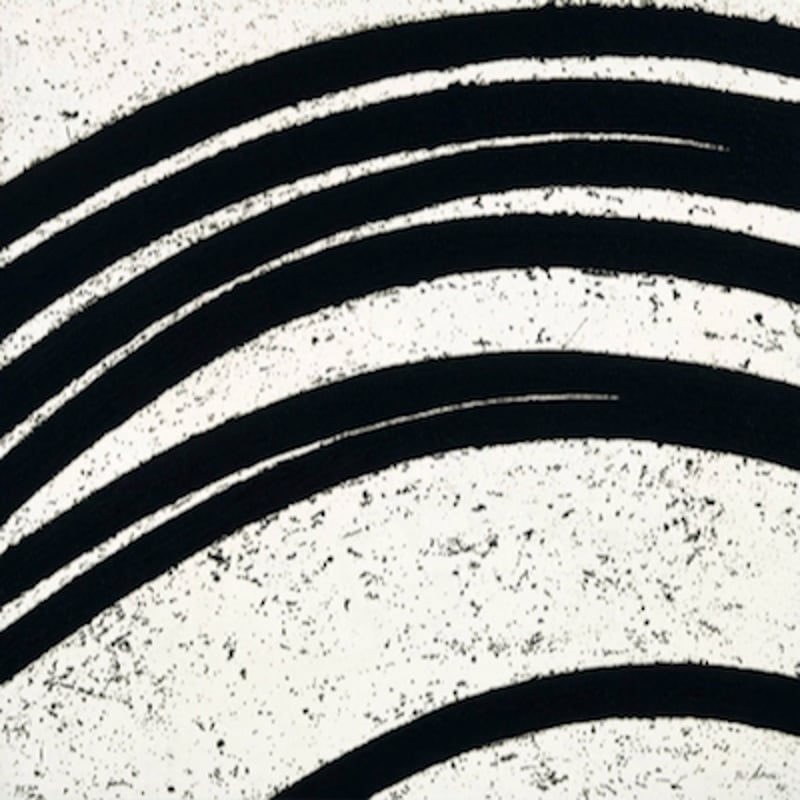
Postminimalism refers to a range of art styles that emerged in the 1960s, following the Minimalism movement. While Minimalism focused on simplicity and impersonality, Postminimalist artists retained some elements of Minimalism but also explored greater expressiveness, experimenting with new materials and techniques. This movement includes various forms of art such as conceptual art, body art, performance art, process art, and site-specific works. Postminimalism represents a shift toward more personal, tactile, and process-oriented approaches to art-making.
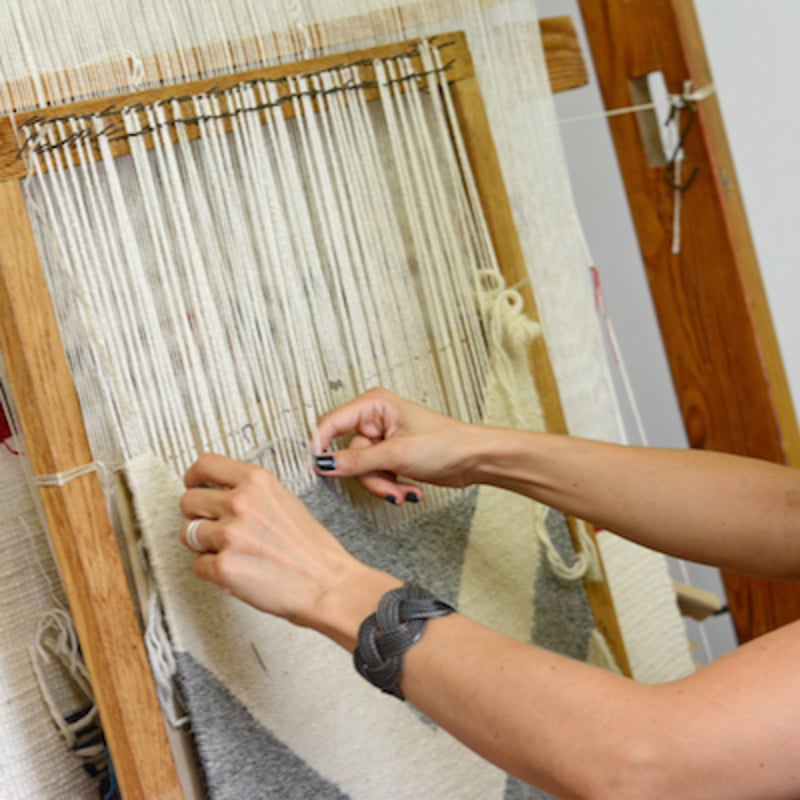
Tapestry is a heavy, handwoven textile featuring intricate designs or images woven directly into the fabric. Created by skilled weavers using materials like wool, linen, cotton, silk, and sometimes silver and gold threads, tapestries have historically served as art pieces, decorations, insulation, and symbols of authority.
Can't find your Answer?
Thank you! Your question has been sent — we'll get back to you shortly.
