What is an installation?
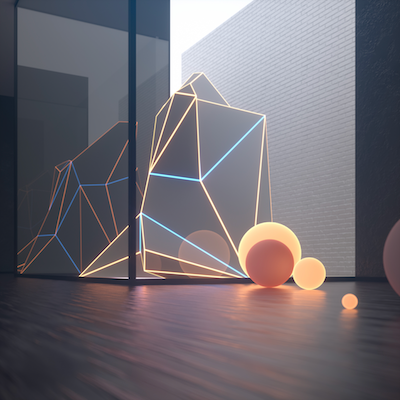
Installation art is a three-dimensional artistic genre that involves site-specific works designed to alter the viewer's perception of space. These works are typically created for interior spaces, such as museums and galleries, but can also be found in private and public locations. Installation art can be temporary or permanent, depending on its purpose and setting.
Show All
- Show All
- Established
- Discoveries
Show All
ARTWORKS RELATED TO INSTALLATION

Ivan Navarro
Mist II (Version 1), 2020
Sculpture / Object
Installation
Inquire For Price
Related Articles

Popular, Art Movements - May 01, 2022
Understanding Conceptual Art and how to appraise it
Explore the essence of Conceptual Art, its origins, and its focus on ideas over objects. Learn how to appreciate and appraise this transformative art movement. Read More

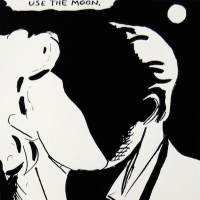
Comic strip art refers to artwork that utilizes the subject matter and commercial printing techniques found in comic strips. In the 1960s, a group of artists began creating paintings that incorporated Ben-Day dots—commonly used in comics and advertising—to produce highly graphic designs in bright colors, using traditional art media.

Animation is the process of displaying a sequence of static images in rapid succession to create the illusion of movement. Each image, or frame, is slightly altered from the previous one, particularly in the moving parts, so when shown together, they form a continuous motion. Traditionally, illustrators drew each frame by hand to produce this effect.