
What is an Acrylic sculpture?
- Show All
- Established
- Discoveries
- Show All
Artworks Related to Acrylic sculpture
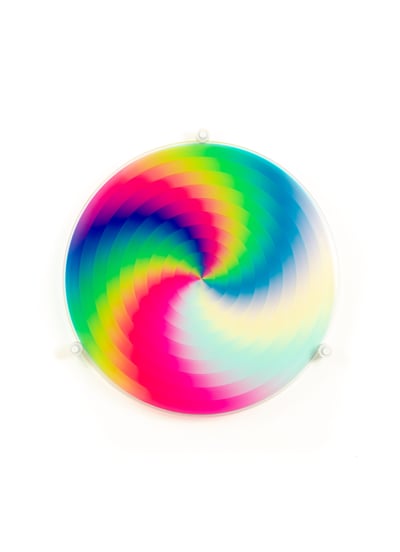
Felipe Pantone
Substractive Variability Compact, 2022
Sculpture / Object
Acrylic sculpture
EUR 4,700

Julian Opie
Belgium 1, 2021
Sculpture / Object
Acrylic sculpture
USD 16,100

Julian Opie
Belgium 3, 2021
Sculpture / Object
Acrylic sculpture
USD 16,100

Julian Opie
Belgium 4, 2021
Sculpture / Object
Acrylic sculpture
USD 16,100

Marcello Morandini
Sculptura 720, 2020
Sculpture / Object
Acrylic sculpture
EUR 4,500
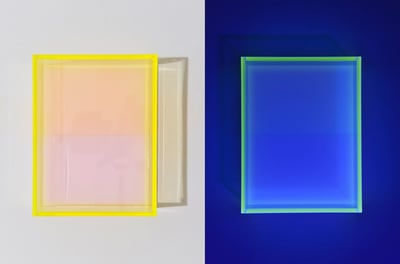
Regine Schumann
Colormirror Soft Yellow Gent, 2021
Sculpture / Object
Acrylic sculpture
EUR 4,000
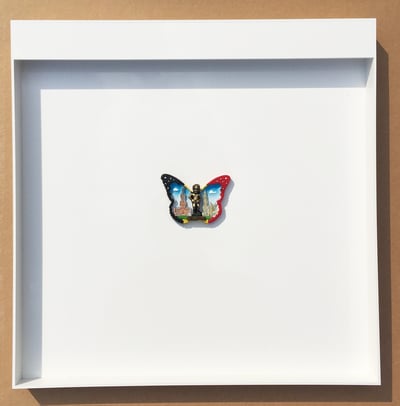
Jonathan Monk
Backside Brussels I, 2016
Sculpture / Object
Acrylic sculpture
EUR 800
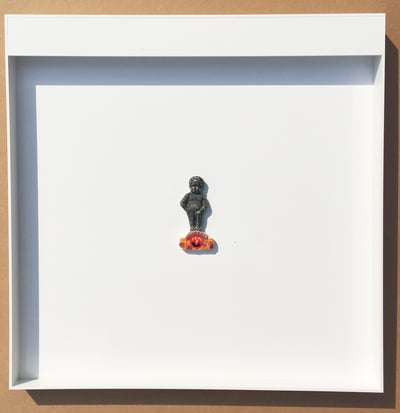
Jonathan Monk
Backside Brussels II, 2016
Sculpture / Object
Acrylic sculpture
EUR 800
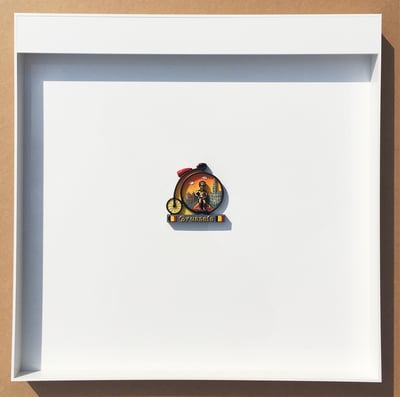
Jonathan Monk
Backside Brussels III, 2016
Sculpture / Object
Acrylic sculpture
EUR 800
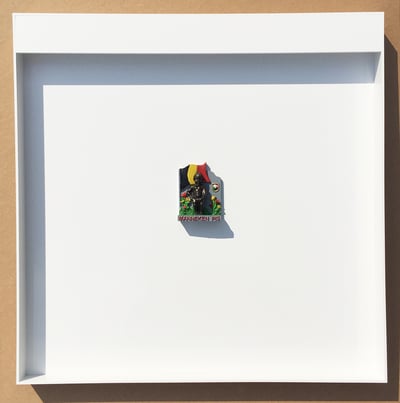
Jonathan Monk
Backside Brussels IV, 2016
Sculpture / Object
Acrylic sculpture
EUR 800
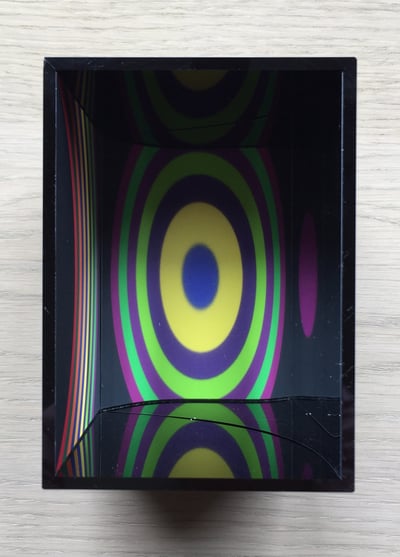
Julio Le Parc
Cercles par déplacement (small), 2016
Sculpture / Object
Acrylic sculpture
EUR 300
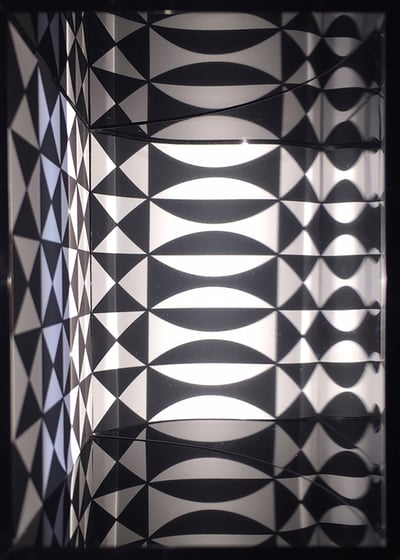
Julio Le Parc
Image virtuel par déplacement, 2016
Sculpture / Object
Acrylic sculpture
EUR 300
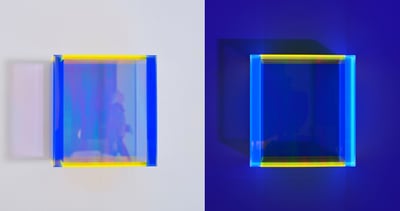
Regine Schumann
Colormirror rainbow pastel blue hongkong, 2020
Sculpture / Object
Acrylic sculpture
Currently Not Available

Mariko Mori
Breathing Stone / Wave UFO, 2007
Sculpture / Object
Acrylic sculpture
EUR 2,490
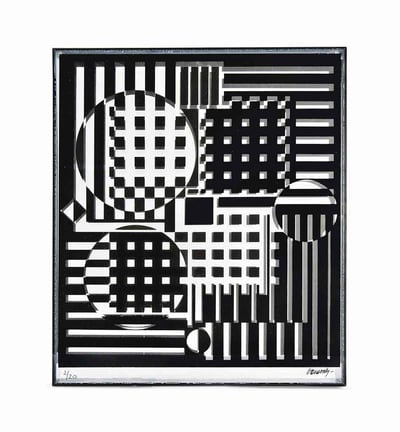
Victor Vasarely
Pleionne, 1990
Sculpture / Object
Acrylic sculpture
Currently Not Available

Regine Schumann
Color Rainbow Gent, 2017
Sculpture / Object
Acrylic sculpture
EUR 2,500
Related Articles



Magnum Photos is a photographic cooperative founded in 1947 by four photographers: Robert Capa, Henri Cartier-Bresson, George Rodger, and David Chim Seymour. Based in New York, the organization was created to give photographers the freedom to document the human condition with compassion and integrity. Magnum Photos has an extensive historical image library, capturing world events and offering a unique perspective on global history.

A pigment is a material that changes the color of light by selectively absorbing certain wavelengths and reflecting others. Unlike phosphorescence or fluorescence, where materials emit light, pigments work by altering the light that passes through or is reflected from them. In art, pigments are chosen for their special properties, such as high tinting strength, making them ideal for coloring various materials.

The New Leipzig School is a movement in modern German painting that represents the third generation of artists associated with the Hochschule für Grafik und Buchkunst Leipzig. This movement reflects the post-reunification landscape of Germany. Unlike the first generation of Leipzig painters, the third generation does not have clear, defined characteristics or messages. Instead, their work blends figurative and abstract elements, placing a strong emphasis on creativity and experimentation.
Can't find your Answer?
Thank you! Your question has been sent — we'll get back to you shortly.
