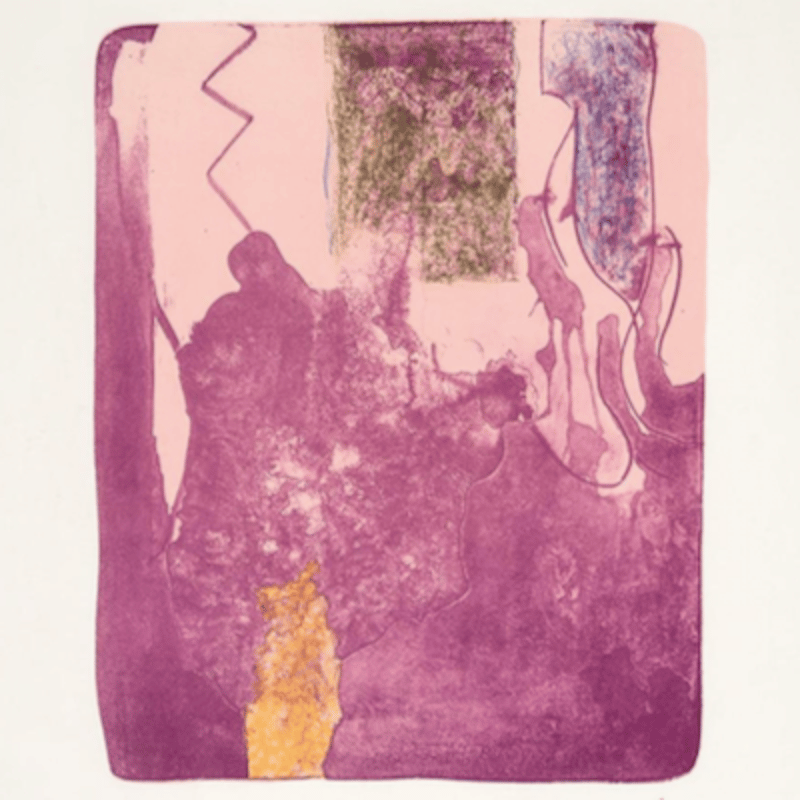
What is abstract expressionism?
- Show All
- Established
- Discoveries
- Show All
Artworks Related to Abstract expressionism
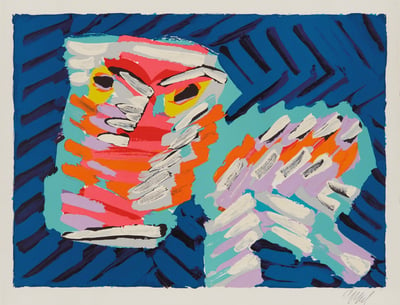
Karel Appel
Sad Cat, 1979
Limited Edition Print
Lithograph
USD 750
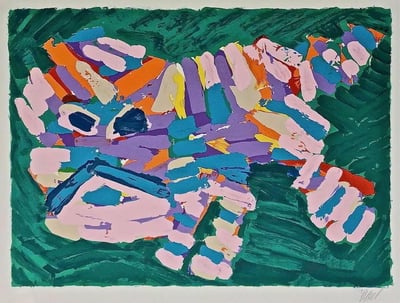
Karel Appel
Stalking Cat, 1979
Limited Edition Print
Lithograph
USD 750
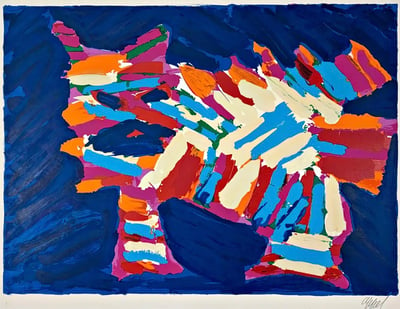
Karel Appel
Blue Cat, 1979
Limited Edition Print
Lithograph
USD 750
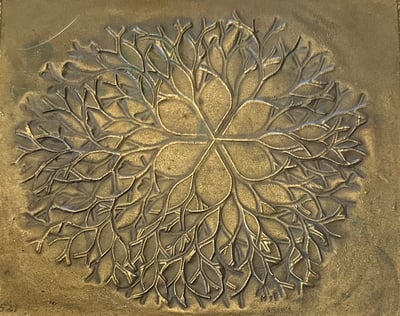
Ruth Asawa
Bronze Flower, 1979
Sculpture / Object
Bronze
USD 3,750
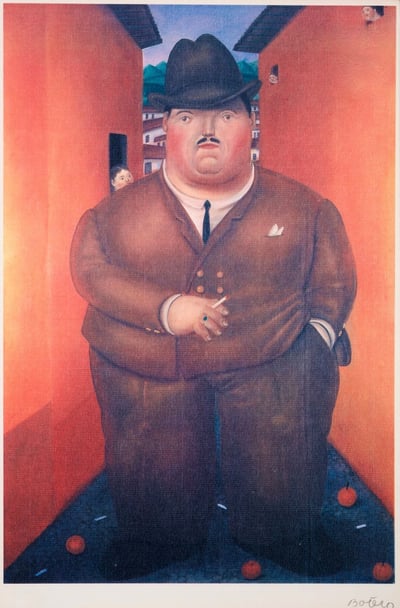
Fernando Botero
Fumador de Cigarrillos, 1975 -1980
Limited Edition Print
Lithograph
Currently Not Available
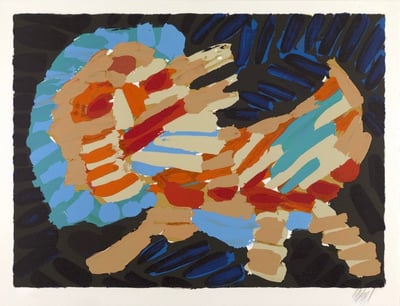
Karel Appel
Smiling Cat, 1979
Limited Edition Print
Lithograph
USD 750
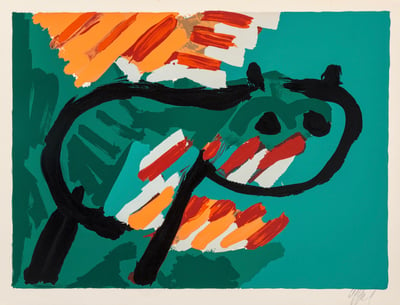
Karel Appel
Green Cat, 1979
Limited Edition Print
Lithograph
USD 750
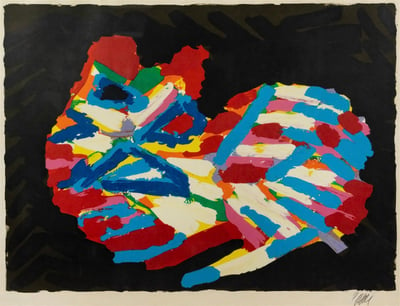
Karel Appel
House Cat, 1979
Limited Edition Print
Lithograph
USD 750
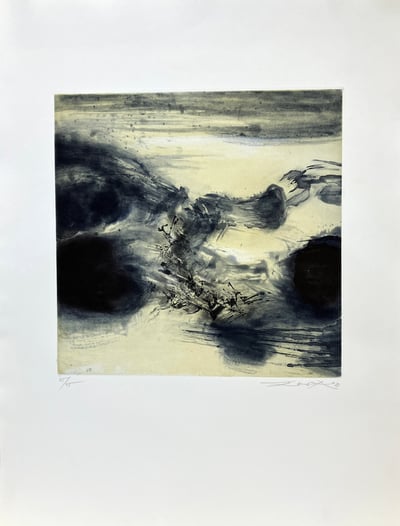
Zao Wou-Ki
Untitled (Agerup 243), 1973
Limited Edition Print
Aquatint
Currently Not Available
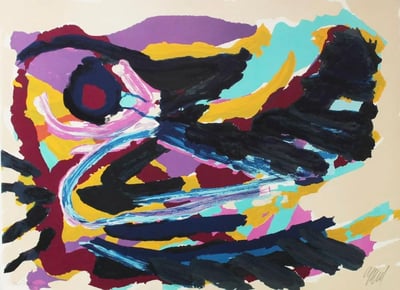
Karel Appel
Nesting Bird, 1978
Limited Edition Print
Lithograph
USD 990
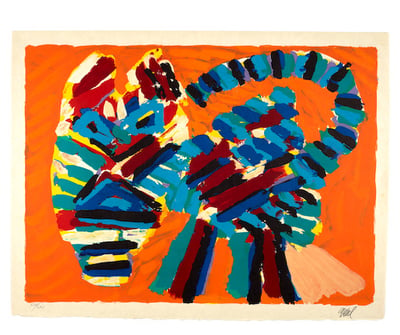
Karel Appel
Sunshine Cat, 1979
Limited Edition Print
Lithograph
USD 750
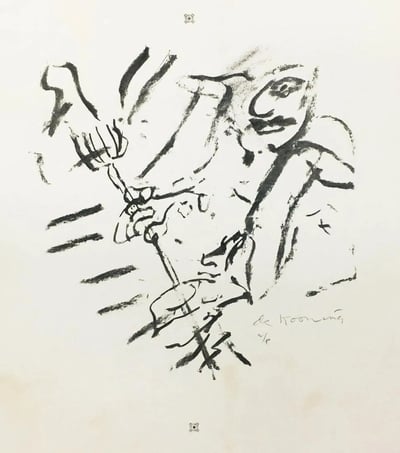
Willem de Kooning
Rainbow: Thelonious Monk Devil at, 1972/76
Limited Edition Print
Lithograph
USD 4,200
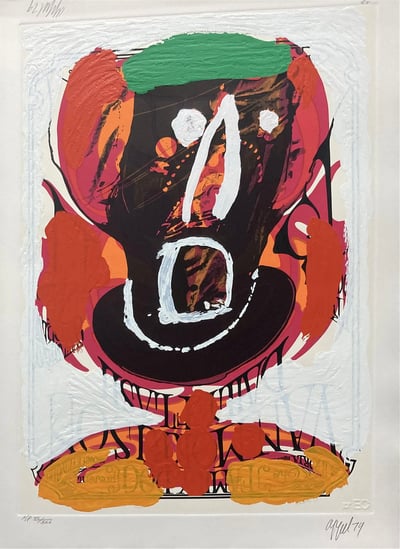
Karel Appel
Sound, 1979
Limited Edition Print
Mixed Media
USD 1,400
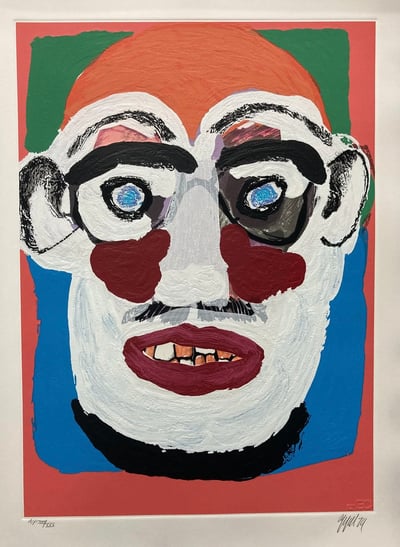
Karel Appel
Face, 1979
Limited Edition Print
Mixed Media
USD 1,400
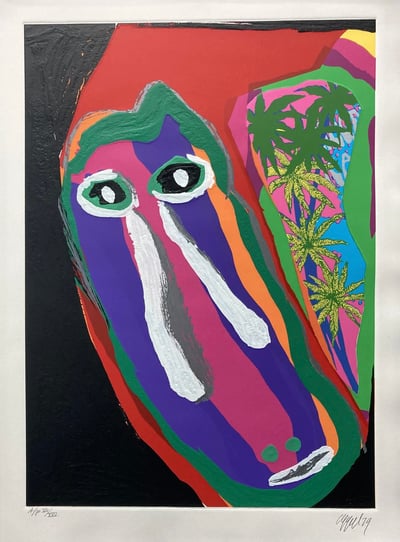
Karel Appel
Lying in Red, 1979
Limited Edition Print
Mixed Media
USD 1,400
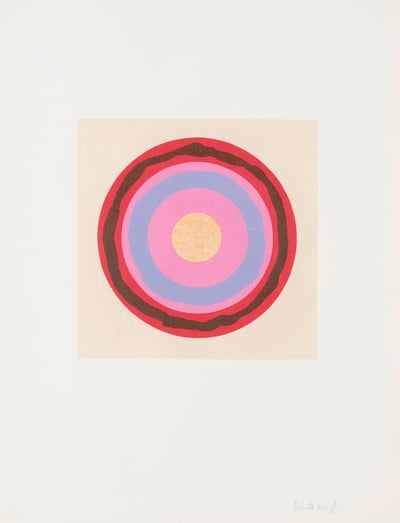
Kenneth Noland
Untitled (Target), 2004
Limited Edition Print
Lithograph
Currently Not Available
Related Articles
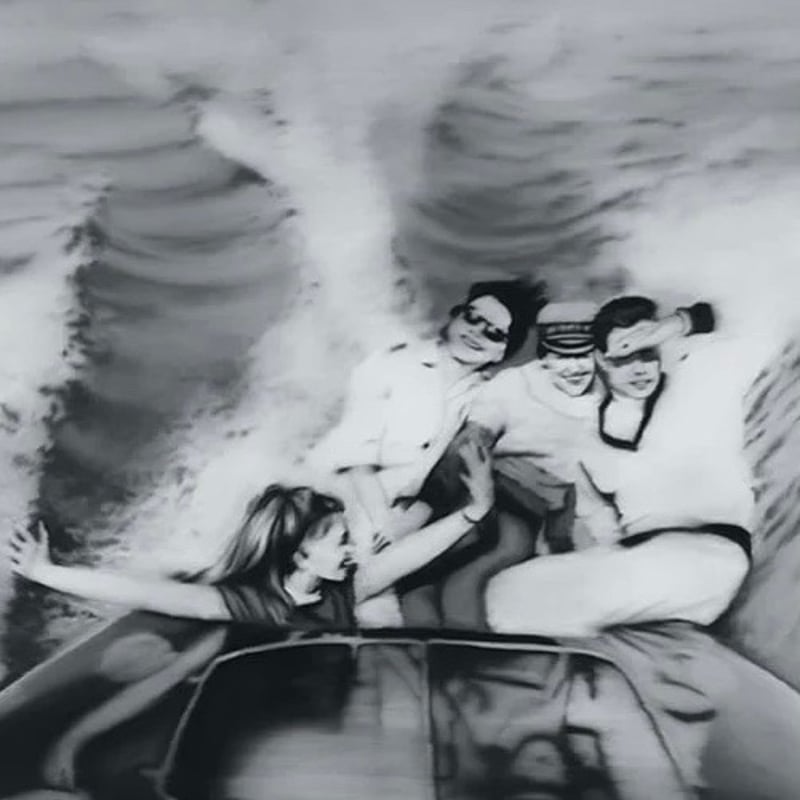
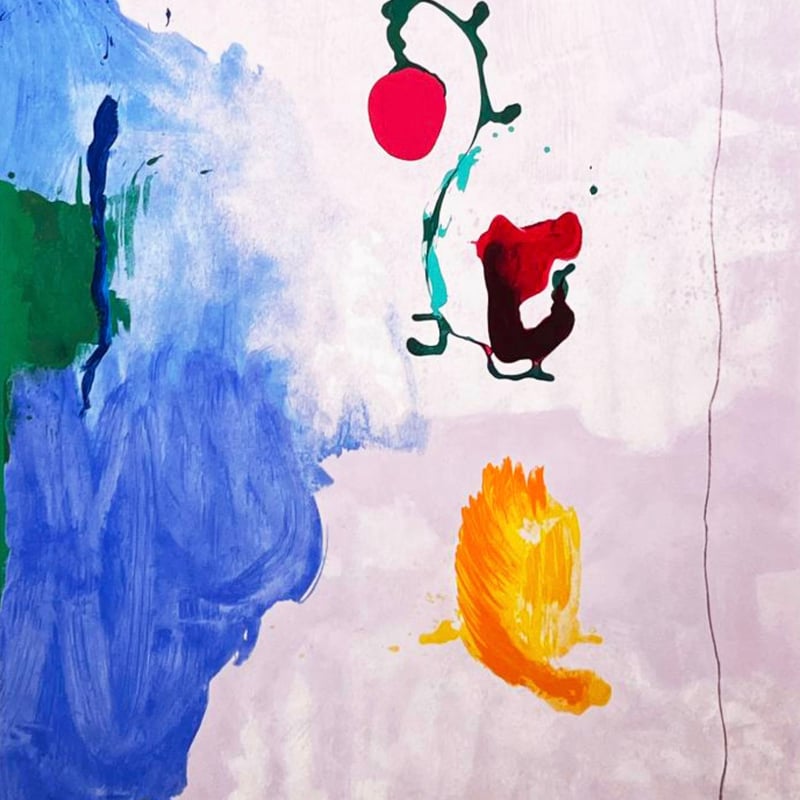
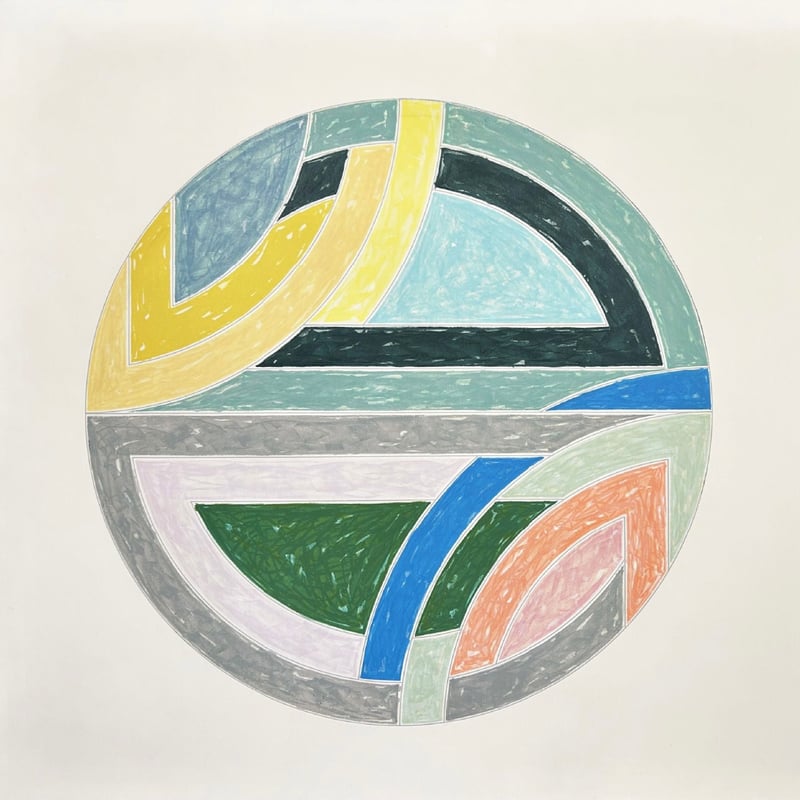

The Düsseldorf School of Photography refers to a group of photographers who studied under Bernd and Hilla Becher at the Kunstakademie Düsseldorf during the 1970s. This group was known for its devotion to the black-and-white industrial images characteristic of the German tradition known as New Objectivity. The photographers focused on precise, methodical documentation of industrial structures, often using a detached and objective approach.

A Chinese term that describes performance art. This concept is relatively new and may be challenging to articulate unless people understand the intentions behind it. It is a flexible concept that emphasizes everyday, common, and community-focused elements. The art form is heightened, refined, and reflective of how people behave, move, and live.
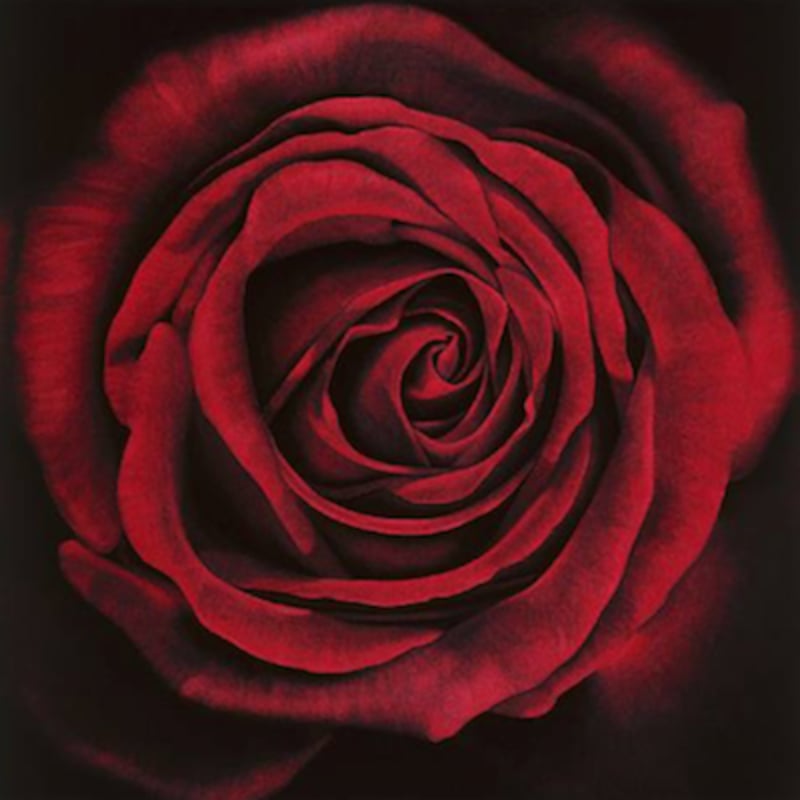
Photorealism is a genre of art or artistic movement that involves drawing, painting, and other graphic media in which the artist carefully studies a photograph and attempts to reproduce it as realistically as possible in another medium. While the term can broadly describe any artwork created in this manner, it specifically refers to a group of painters and paintings in the U.S. art movement that emerged in the late 1960s and early 1970s.
Can't find your Answer?
Thank you! Your question has been sent — we'll get back to you shortly.
