Livia Canestraro
Livia Canestraro (Rome, 1936) is a Belgian sculptor and painter known for her figurative public artworks. Working often with her husband, Stefaan Depuydt, she created sculptures that combine human warmth with civic presence. Her best-known works in Bruges reflect a late modern style rooted in public space, architecture, and accessible emotion.
- Recently Added
- Price (Low-High)
- Price (High-Low)
- Year (Low-High)
- Year (High-Low)

Livia Canestraro
Seated Couple, ca 1985
Sculpture / Object
Marble
Inquire For Price

Livia Canestraro
Standing Woman
Sculpture / Object
Bronze
Inquire For Price
Related Artists


Related Articles

Artists - May 18, 2022
Obsession and Passion: the visionary world of Alberto Giacometti
Explore the visionary world of Alberto Giacometti, from surrealist roots to elongated sculptures. Discover his passion, obsession, and enduring legacy in modern art. Read More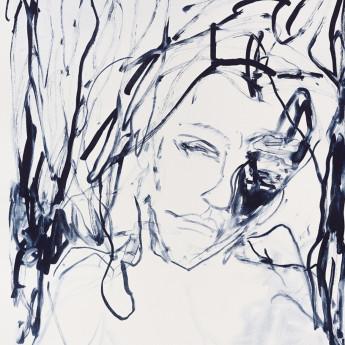

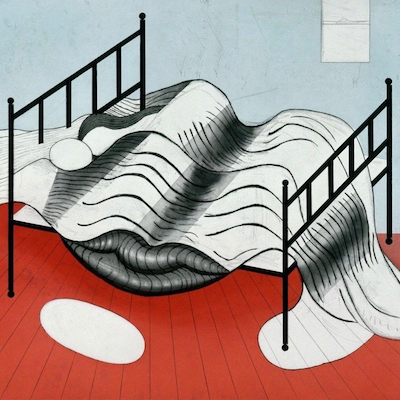
Artwork by Louise Bourgeois
What is Postmodernism?
Postmodernism is an art movement that emerged as a reaction against authority and traditional boundaries, seeking to blur the lines between art and everyday life. It aimed to bridge the gap between the cultural elite and the general public by embracing eclectic mixtures of earlier conventions and styles. Postmodernist art often challenges established norms and celebrates diversity, irony, and pastiche, making it a movement that reflects the complexities of contemporary culture.