
Mirror, 2016
Form
Medium
Size
- Inches
- Centimeters
Edition
Price
- Authenticity Guaranteed
- Insured Shipping
- Online Since 2005
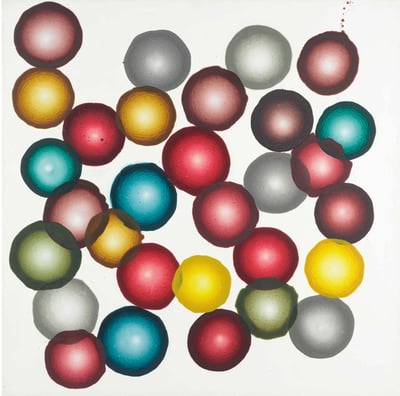
Ross Bleckner
Untitled, 2001
Painting
Mixed Media
Inquire For Price
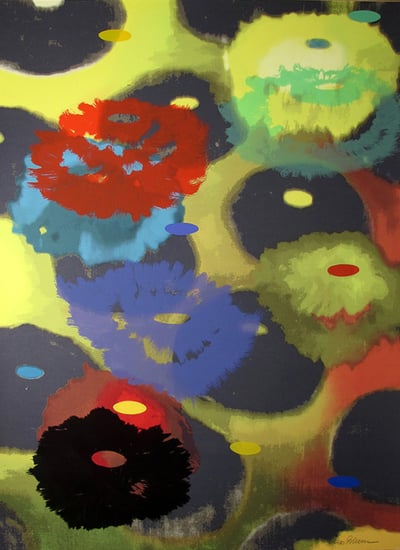
Ross Bleckner
PS III, 1997
Limited Edition Print
Screen-print
USD 3,575
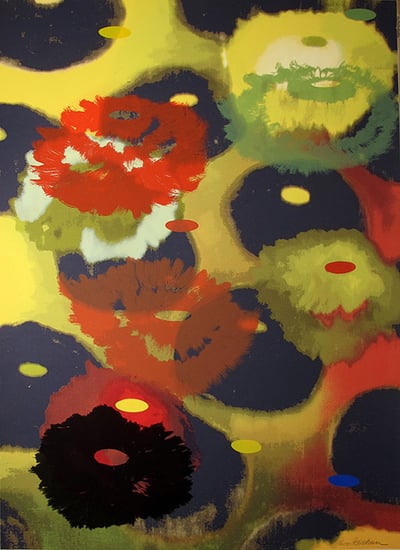
Ross Bleckner
PS I, 1997
Limited Edition Print
Screen-print
USD 3,575

Ross Bleckner
September 23rd bis (variant 4), 2016
Limited Edition Print
Lithograph
EUR 1,800
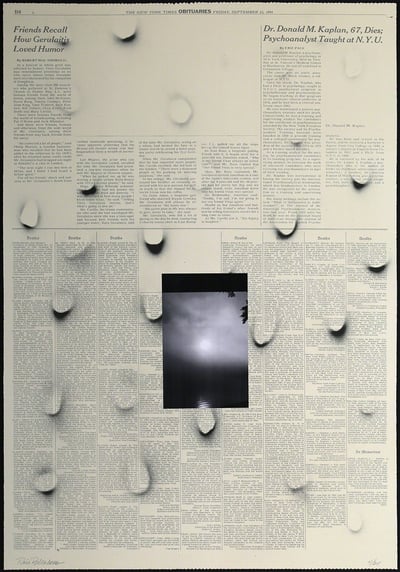
Ross Bleckner
September 23rd bis (variant 5), 2016
Limited Edition Print
Lithograph
EUR 1,800

Ross Bleckner
September 23rd bis (variant 6), 2016
Limited Edition Print
Lithograph
EUR 1,800

Ross Bleckner
September 23rd bis (variant 3), 2016
Limited Edition Print
Lithograph
EUR 1,800
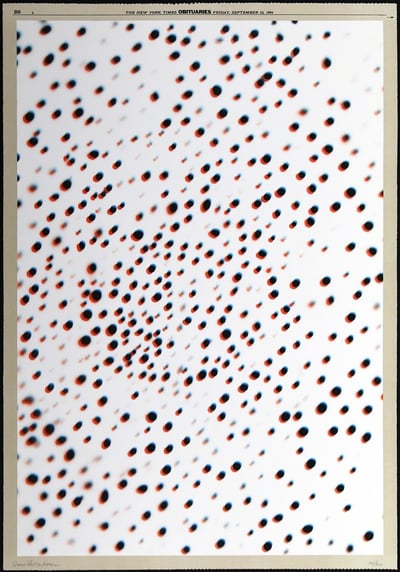
Ross Bleckner
September 23rd, 2016
Limited Edition Print
Lithograph
EUR 1,800
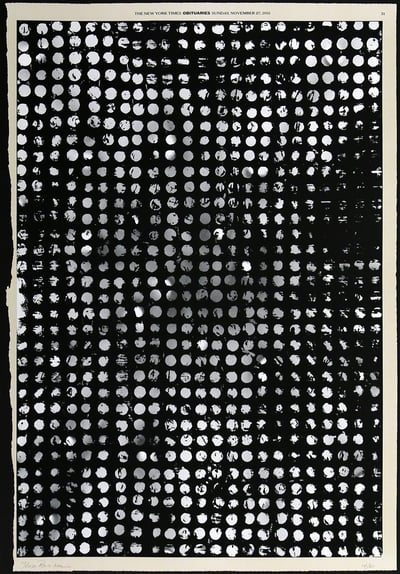
Ross Bleckner
November 27th, 2016
Limited Edition Print
Lithograph
EUR 1,800
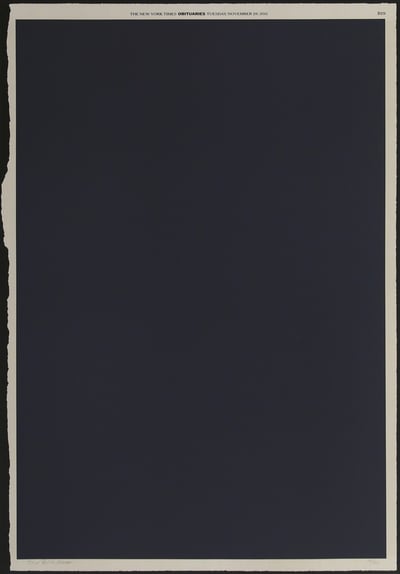
Ross Bleckner
November 29th, 2016
Limited Edition Print
Lithograph
EUR 1,800
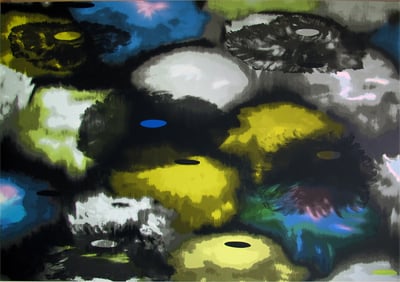
Ross Bleckner
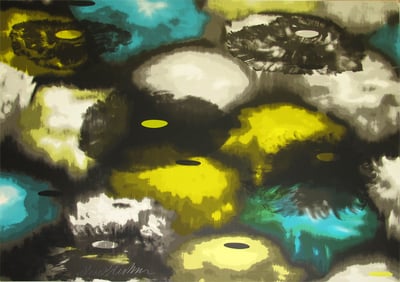
Dream and Do I, 1997
Limited Edition Print
Screen-print
USD 3,400
Ross Bleckner
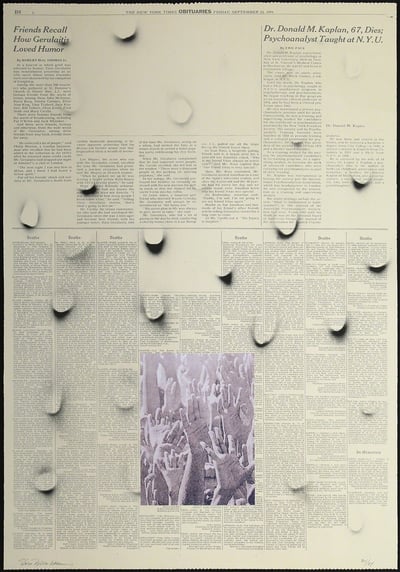
Dream and Do II, 1997
Limited Edition Print
Screen-print
USD 3,400
Ross Bleckner
September 23rd bis (variant 1), 2016
Limited Edition Print
Lithograph
Currently Not Available
Related Artists

Related Articles
Popular, News, Artists, Collecting - August 12, 2026
In Minor Keys: Finding Intimacy and Identity at the 61st Venice Biennale — and in Your Collection
Explore how Koyo Kouoh’s 61st Venice Biennale vision, In Minor Keys, is shifting contemporary collecting toward quiet introspection, memory, and personal identity.Read More

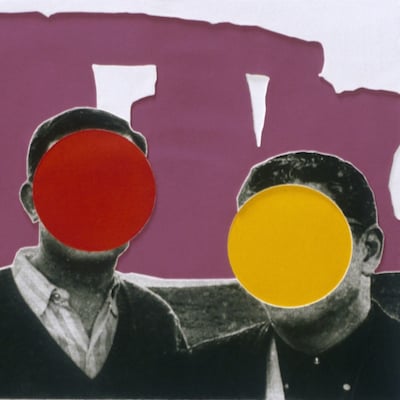
What is conceptual art?
Sometimes referred to as Conceptualism, this is an art form where the idea(s) or concept(s) behind the work take precedence over material concerns and traditional aesthetics. Many conceptual artworks can be created by anyone simply by following written instructions. The concept or idea is the most essential aspect of the artwork.


