
Details
Artist
Styles
Artist's book with original screen print in slipcase. - "Pierre Klossowski/Pierre Zucca: living money (1982)" - Each print is overpainted with gold color - each work is therefore unique // Life 3 by Rosemarie Trockel, created in 2005, is a silkscreen print that merges contemporary art with iconic imagery from popular culture. This limited edition piece, part of an artist’s book, reinterprets the cover of Life magazine dated November 2, 1964, featuring Shirley Eaton in her famous role as the gold-painted woman from the James Bond film Goldfinger. The print is overlaid with a metallic sheen, emphasizing the allure and commercialization of femininity in media. By revisiting and reworking such an iconic image, Trockel critiques societal constructs around beauty, identity, and celebrity. Each print in the edition is overpainted with gold, making every piece unique and reinforcing the themes of individuality and mass production.
Details
Artist
Styles
Artist's book with original screen print in slipcase. - "Pierre Klossowski/Pierre Zucca: living money (1982)" - Each print is overpainted with gold color - each work is therefore unique // Life 3 by Rosemarie Trockel, created in 2005, is a silkscreen print that merges contemporary art with iconic imagery from popular culture. This limited edition piece, part of an artist’s book, reinterprets the cover of Life magazine dated November 2, 1964, featuring Shirley Eaton in her famous role as the gold-painted woman from the James Bond film Goldfinger. The print is overlaid with a metallic sheen, emphasizing the allure and commercialization of femininity in media. By revisiting and reworking such an iconic image, Trockel critiques societal constructs around beauty, identity, and celebrity. Each print in the edition is overpainted with gold, making every piece unique and reinforcing the themes of individuality and mass production.
- Recently Added
- Price (low-high )
- Price (high-low )
- Year (low-high )
- Year (high-low )

Rosemarie Trockel
Life 1, 2005
Limited Edition Print
Silkscreen
Currently Not Available
Related Artists


Related Articles

Art Movements - April 12, 2024
The Visual Language of Geometric abstraction
Dive into the world of geometric abstraction! Discover how artists use shape, color, and space to create harmony, rhythm, and timeless expression. Read More

Artwork by Willem de Kooning
What is Gestural?
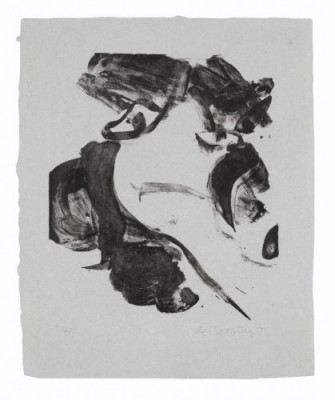
Gestural art is a term that describes painting with freely sweeping brushstrokes. The primary goal of gestural art is to allow the artist to physically express emotional impulses. The varied, yet expressive paint marks are intended to convey the artist's inner thoughts and emotions, which viewers are believed to understand through the dynamic and spontaneous application of paint.
RECENTLY VIEWED
-->