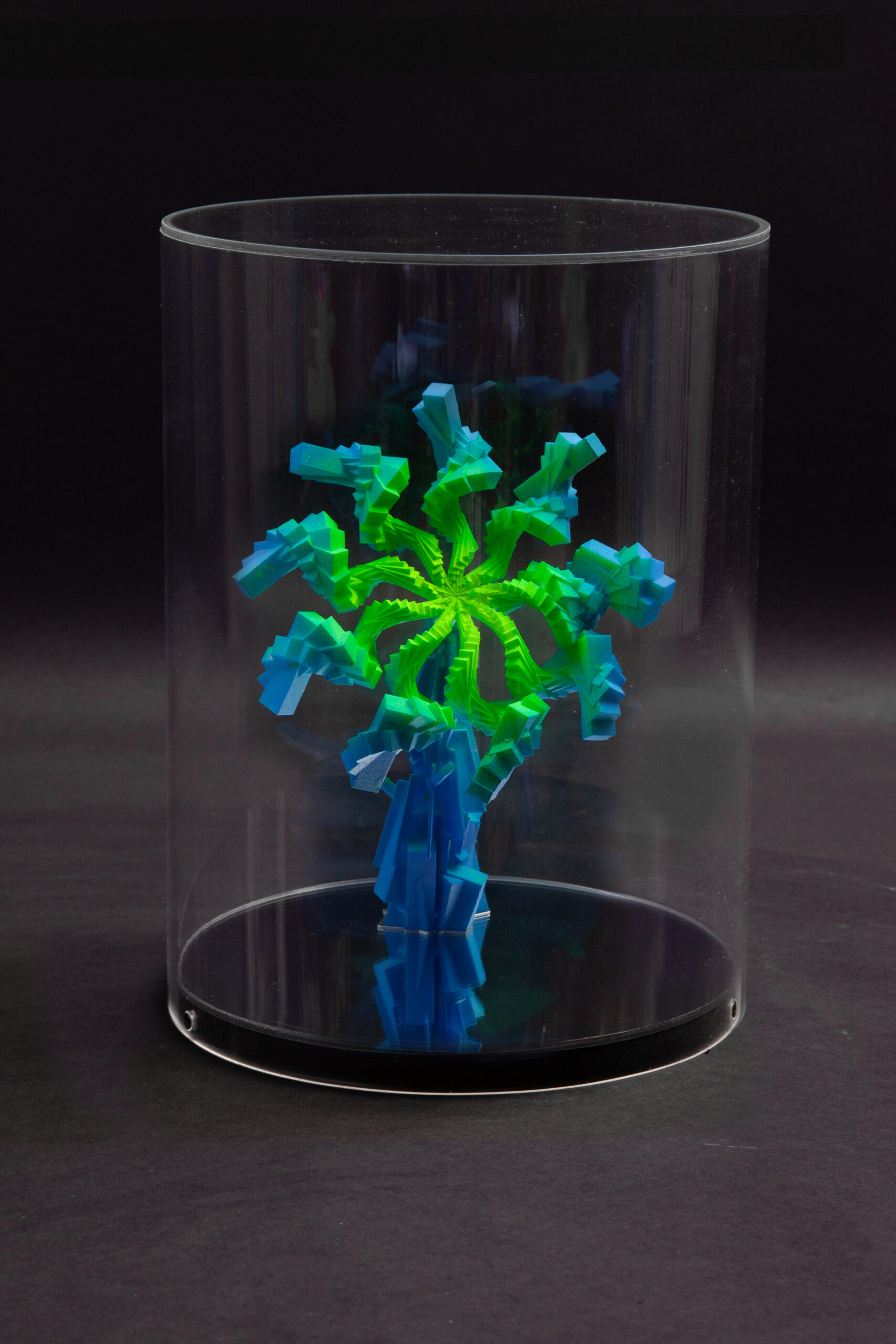
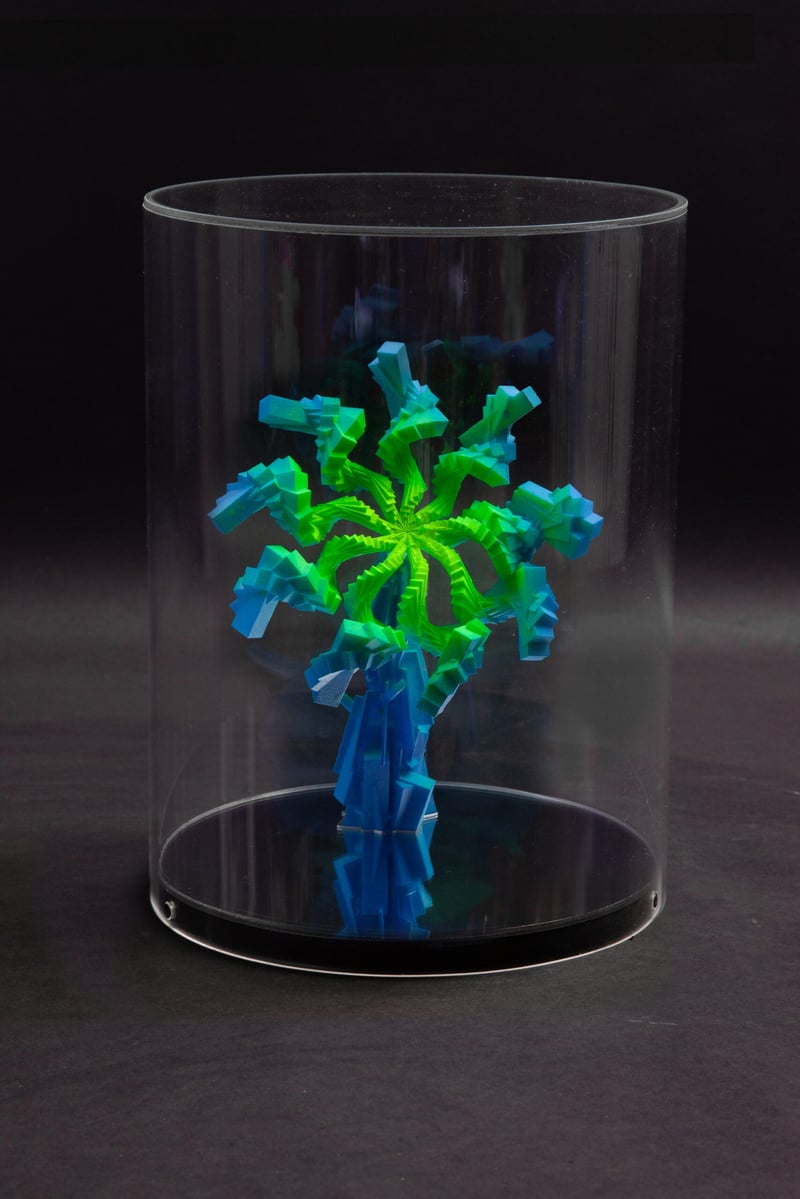
La Cannabis Sativa d’Edgar Poe Bleu Vert, 2025
Form
Medium
Size
- Inches
- Centimeters
Edition
Price
- USD
- EUR
- GBP
- CHF
- Authenticity Guaranteed
- Insured Shipping
- Online Since 2005
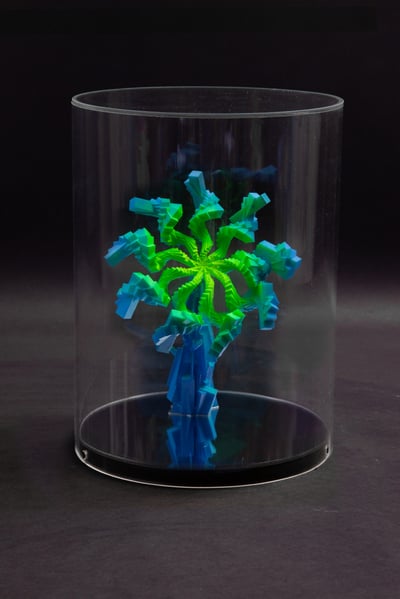
Miguel Chevalier
La Cannabis Sativa d’Edgar Poe Bleu Vert, 2025
Sculpture / Object
Acrylic sculpture
EUR 3,000
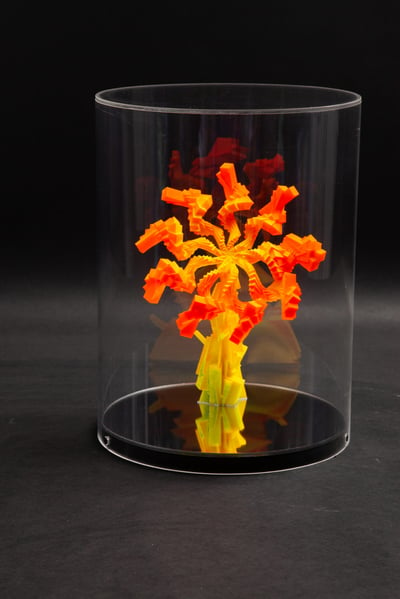
Miguel Chevalier
La Cannabis Sativa d’Edgar Poe Jaune Orange, 2025
Sculpture / Object
Acrylic sculpture
EUR 3,000

Miguel Chevalier
Meta cités filaire rouge, 2019
Limited Edition Print
Mixed Media
EUR 3,000

Miguel Chevalier
Meta cites light jaune vert, 2019
Limited Edition Print
Mixed Media
EUR 3,000
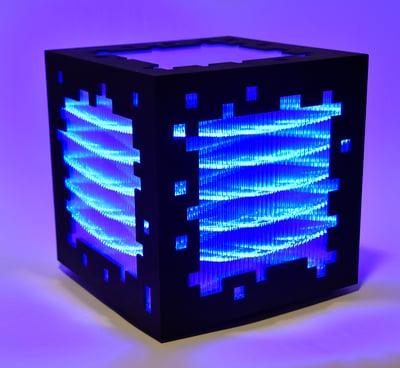
Miguel Chevalier
mini voxels light blue, 2015
Sculpture / Object
Mixed Media
EUR 4,500
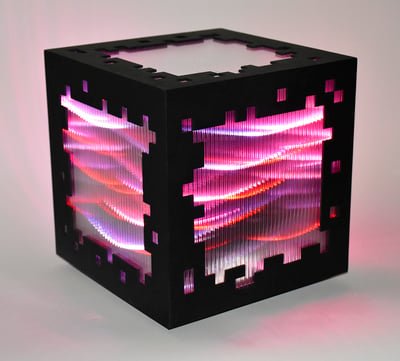
Miguel Chevalier
Mini voxels light red, 2015
Sculpture / Object
Mixed Media
EUR 4,500
Related Artists
Related Articles
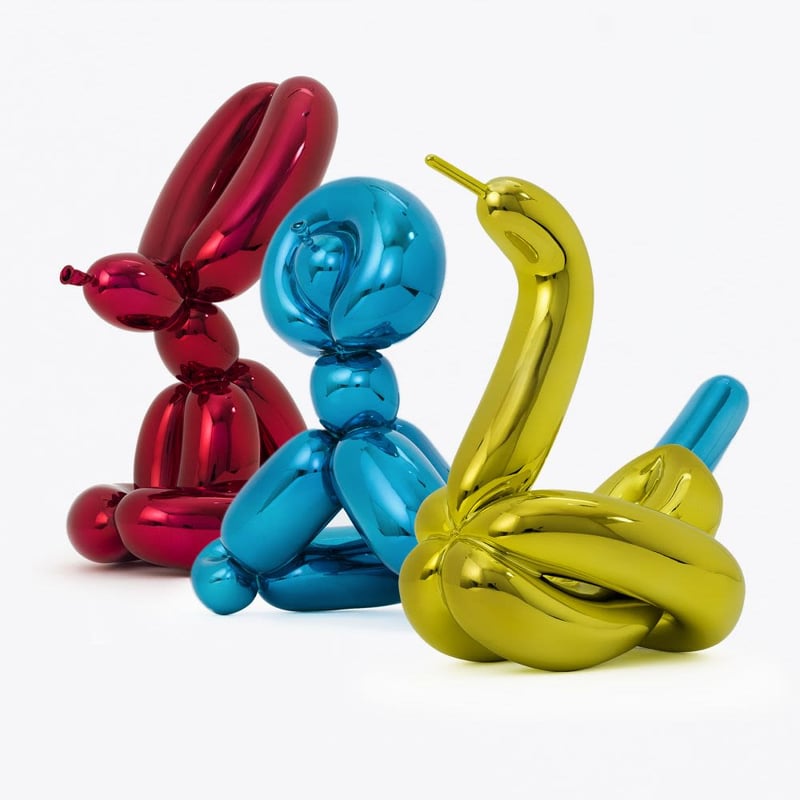
Collecting - March 25, 2025
Understanding Editioned Sculptures: What Collectors Need to Know
Explore the value of editioned sculptures, from bronze to electric art. Learn how edition size, material, and artist impact collectability.Read More
What is Digital Art?
Digital art refers to artistic practices or works that utilize digital technology as an essential component of both the creation and presentation process. Since the 1970s, various terms like multimedia and computer art have been used to describe this practice. Digital art is a subset of the broader category known as new media art, which has brought significant changes to the art world. Technology has transformed traditional forms of painting, drawing, sound/music, and sculpture into new digital formats, expanding the possibilities of artistic expression.