
Signed and dated in pencil - Published by ICA in London in 1993
Artwork Copyright © Marlene DumasMarlene Dumas (South Africa/Netherlands, 1953) is a renowned contemporary artist known for her expressive, emotionally charged figurative paintings. Her work often addresses themes of identity, sexuality, and mortality, rendered with fluid brushstrokes and haunting imagery. Dumas's art has been exhibited globally, solidifying her place as one of the most influential painters of her generation.
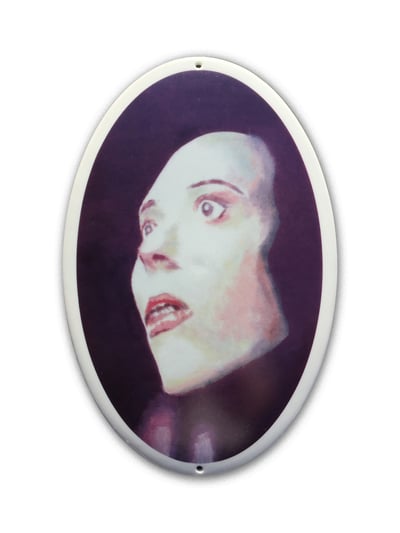
Artwork Copyright © Marlene DumasFaceless, 1993
Form
Medium
Size
- Inches
- Centimeters
Edition
Price
Available works →
- Authenticity Guaranteed
- Insured Shipping
- Online Since 2005
●
●Inventory 8277
●Signed
●Comes with gallery invoice and certificate
●Sell Us a Similar Artwork. Learn more.
Signed and dated in pencil - Published by ICA in London in 1993
Artwork Copyright © Marlene DumasMarlene Dumas (South Africa/Netherlands, 1953) is a renowned contemporary artist known for her expressive, emotionally charged figurative paintings. Her work often addresses themes of identity, sexuality, and mortality, rendered with fluid brushstrokes and haunting imagery. Dumas's art has been exhibited globally, solidifying her place as one of the most influential painters of her generation.
Artwork Copyright © Marlene Dumas- Recently Added
- Price (Low-High)
- Price (High-Low)
- Year (Low-High)
- Year (High-Low)

Marlene Dumas
The Fog of War, 2006
Limited Edition Print
Digital Print on paper
EUR 8,000
Related Artists
Related Articles
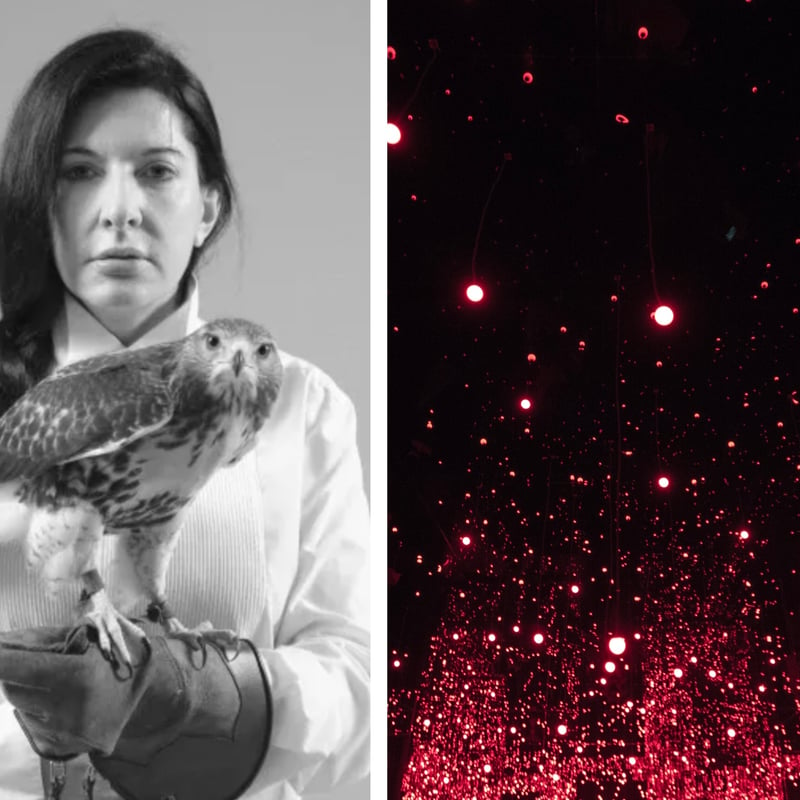
Popular, Artists - October 5, 2022
10 Women in 20th Century Art
Explore the contributions of 10 influential women in 20th-century art, from Louise Bourgeois to Cindy Sherman. Discover their groundbreaking creativity and legacy.Read More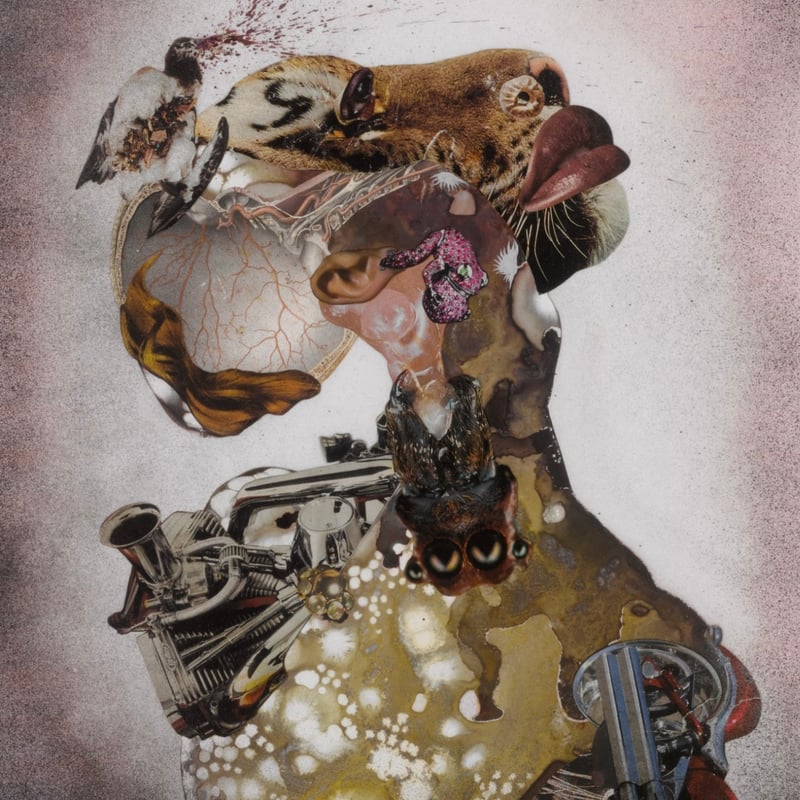
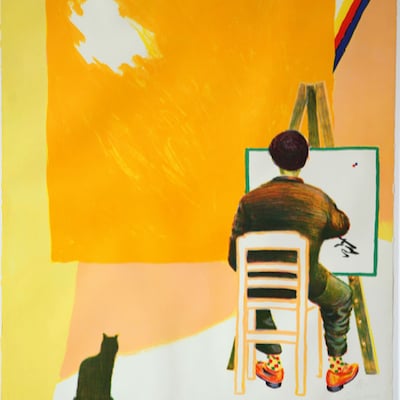
Artwork by Roger Raveel
What is new figuration?
Neo-Figurative Art is a collective term that refers to the revival of figurative art in America and Europe during the 1960s, following a period dominated by abstraction. Michel Ragon, a French art critic, argued that this resurgence of figuration occurred during a critical time of social and political upheaval in both regions.


