Details
Artist
Styles
Portfolio of 14 Xerox prints on laid paper, printed with special developed pigments, each hand signed and numbered by the artist. // TIMELANGUAGE by Luis Camnitzer is a conceptual portfolio consisting of 14 Xerox prints, created in 2016, each meticulously printed with specially developed pigments on laid paper. This limited edition series (12 + 1 artist proof) explores the gradual unfolding of language and temporality, as each print incrementally builds from T to the full word TIMELANGUAGE. Camnitzer’s work reflects on how meaning is constructed over time, inviting viewers to ponder the intersection of language, perception, and existence. The minimalist presentation emphasizes process and transformation, making each step a reflection on the evolving nature of understanding and communication. Each print is hand-signed and numbered by the artist.
TIMELANGUAGE, 2016
form
Medium
Size
31.2 x 47.6 cm
- Inches
- Centimeters
Edition
Price
- USD
- EUR
- GBP
Details
Artist
Styles
Portfolio of 14 Xerox prints on laid paper, printed with special developed pigments, each hand signed and numbered by the artist. // TIMELANGUAGE by Luis Camnitzer is a conceptual portfolio consisting of 14 Xerox prints, created in 2016, each meticulously printed with specially developed pigments on laid paper. This limited edition series (12 + 1 artist proof) explores the gradual unfolding of language and temporality, as each print incrementally builds from T to the full word TIMELANGUAGE. Camnitzer’s work reflects on how meaning is constructed over time, inviting viewers to ponder the intersection of language, perception, and existence. The minimalist presentation emphasizes process and transformation, making each step a reflection on the evolving nature of understanding and communication. Each print is hand-signed and numbered by the artist.
- Recently Added
- Price (low-high )
- Price (high-low )
- Year (low-high )
- Year (high-low )

Luis Camnitzer
TIMELANGUAGE, 2016
Limited Edition Print
Mixed Media
EUR 35,000

Luis Camnitzer
Symmetrical Jails, 2014
Limited Edition Print
Etching
USD 50,000

Luis Camnitzer
Two Parallel Lines , 2014
Limited Edition Print
Digital Print On Paper
EUR 9,000
Related Artists


Related Articles

Artists - November 11, 2024
25 Living Icons: A Generation of Artists Defying Time
Celebrate 25 living legends redefining art! From Kusama to Hockney, explore their enduring creativity and groundbreaking contributions to modern art. Read More

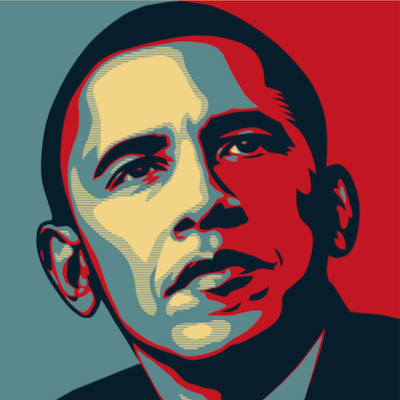
What is appropriation?
Appropriation in art involves using pre-existing images or objects with little or no modification. This technique has played a significant role across various art forms, including visual arts, music, performance, and literature. In visual arts, appropriation refers to the practice of adopting, sampling, recycling, or borrowing elements—or even entire forms—of existing visual culture, integrating them into new works to create meaning or critique.