Details
Artist
Styles
Color etching with aquatint, signed and numbered in pencil. Published by Maeght Editeur, Paris, and printed by Arte Adrien Maeght, Paris. Joan Mitchell’s Sunflower III (1972) is an etching and aquatint that translates her painterly language into printmaking with remarkable intensity. Dense, gestural marks and layered textures build a turbulent composition, where earthy browns, ochres, and a vivid yellow form suggest the presence of a sunflower without defining it explicitly. The surface feels active and tactile, with scratches, splatters, and washes conveying movement and emotion. Published by Maeght Éditeur and printed by Arte Adrien Maeght in Paris in an edition of 75, the work reflects Mitchell’s engagement with nature as a source of memory and sensation rather than direct representation.
Sunflower III, 1972
form
Medium
Size
90.2 x 63.5 cm
- Inches
- Centimeters
Edition
Price
- USD
- EUR
- GBP
Details
Artist
Styles
Color etching with aquatint, signed and numbered in pencil. Published by Maeght Editeur, Paris, and printed by Arte Adrien Maeght, Paris. Joan Mitchell’s Sunflower III (1972) is an etching and aquatint that translates her painterly language into printmaking with remarkable intensity. Dense, gestural marks and layered textures build a turbulent composition, where earthy browns, ochres, and a vivid yellow form suggest the presence of a sunflower without defining it explicitly. The surface feels active and tactile, with scratches, splatters, and washes conveying movement and emotion. Published by Maeght Éditeur and printed by Arte Adrien Maeght in Paris in an edition of 75, the work reflects Mitchell’s engagement with nature as a source of memory and sensation rather than direct representation.
- Recently Added
- Price (low-high )
- Price (high-low )
- Year (low-high )
- Year (high-low )

Joan Mitchell
Sunflower III, 1972
Limited Edition Print
Etching And Aquatint
USD 30,000

Joan Mitchell
Tree I, 1990
Limited Edition Print
Lithograph
Currently Not Available
Related Artists


Related Articles

Popular, Art Movements - November 20, 2024
Understanding Abstract Expressionism: Emotion and Gesture
Explore the emotional depth of Abstract Expressionism! Discover how artists like Pollock and Rothko used gesture and color to convey human complexity. Read More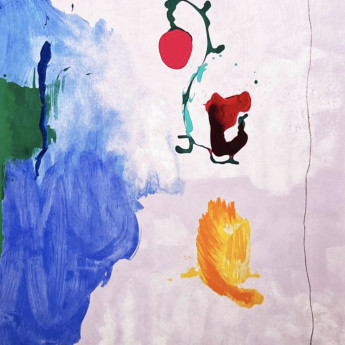

What is late modernism?
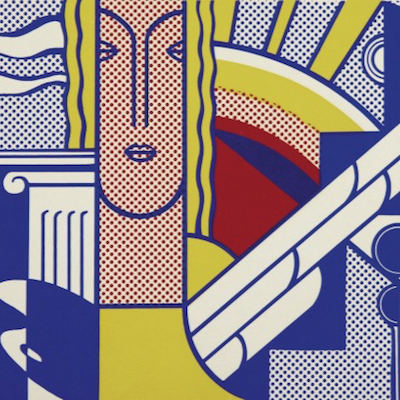
Late Modernism refers to the continuation and evolution of Modernist principles in art, architecture, and literature from the mid-20th century into the late 20th century. This movement maintains a focus on form, abstraction, and the rejection of traditional styles, but it often incorporates more complexity and ambiguity compared to early Modernism. Late Modernism explores themes such as alienation, identity, and the fragmentation of reality, reflecting the social and cultural shifts of the post-war period. It is seen in the works of architects like Louis Kahn and artists like Francis Bacon, who pushed the boundaries of Modernism while responding to the changing world around them.