Details
Artist
Styles
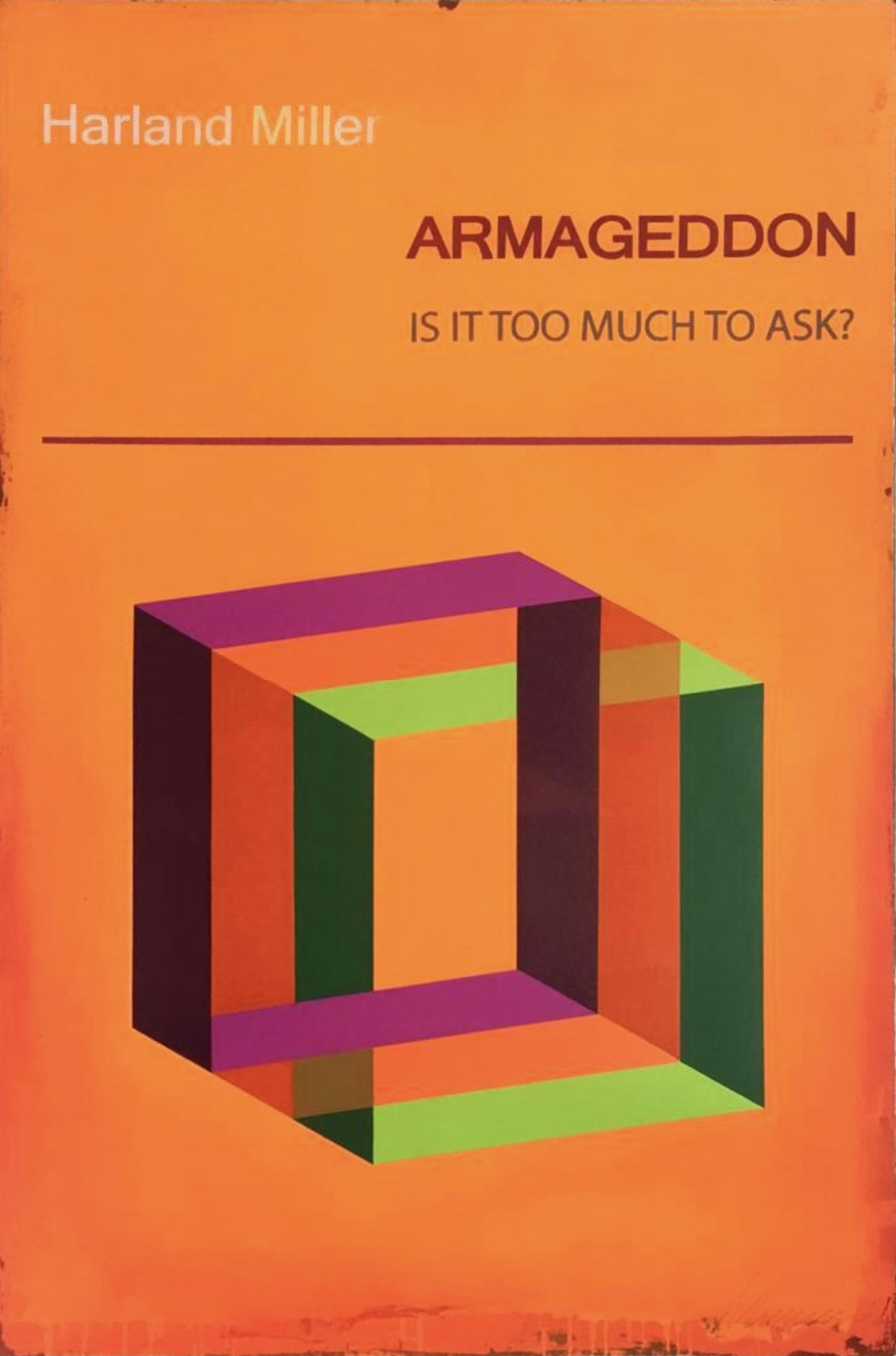
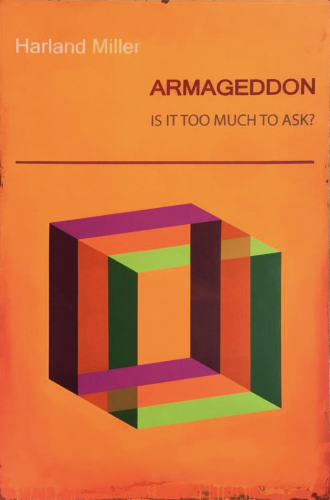
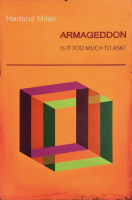
Polymer-gravure with photo-etching and block printing. Armageddon Is It Too Much To Ask? (2017) by Harland Miller combines the artist’s signature literary wit with bold, optical abstraction. Executed in polymer-gravure with photo-etching and block printing, the work mimics a retro book cover, its title set against a vivid orange field. The lower portion features an impossible geometric form in saturated purples, greens, and oranges, evoking both mid-century design and the visual puzzles of Op Art. This edition of 50 encapsulates Miller’s talent for merging text, conceptual humor, and striking visual form, inviting viewers to question meaning while enjoying pure color and shape.
Armageddon Is It Too Much To Ask?, 2017
form
Medium
Size
101.6 x 67.3 cm
- Inches
- Centimeters
Edition
Price
- USD
- EUR
- GBP
Details
Artist
Styles
Polymer-gravure with photo-etching and block printing. Armageddon Is It Too Much To Ask? (2017) by Harland Miller combines the artist’s signature literary wit with bold, optical abstraction. Executed in polymer-gravure with photo-etching and block printing, the work mimics a retro book cover, its title set against a vivid orange field. The lower portion features an impossible geometric form in saturated purples, greens, and oranges, evoking both mid-century design and the visual puzzles of Op Art. This edition of 50 encapsulates Miller’s talent for merging text, conceptual humor, and striking visual form, inviting viewers to question meaning while enjoying pure color and shape.
- Recently Added
- Price (low-high )
- Price (high-low )
- Year (low-high )
- Year (high-low )
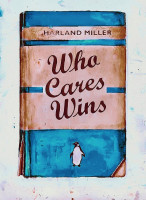
Harland Miller
Who Cares Wins, 2020
Limited Edition Print
Silkscreen
Artwork On Hold
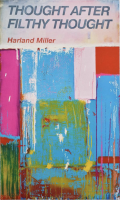
Harland Miller
Thought After Filthy Thought, 2019
Limited Edition Print
Relief Printing
USD 40,000 - 50,000
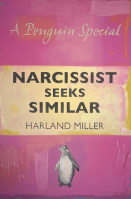
Harland Miller
Narcissist Seeks Similar, 2021
Limited Edition Print
Relief Printing
USD 30,000 - 40,000
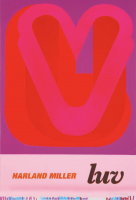
Harland Miller
LUV, 2023
Limited Edition Print
Woodcut
Inquire For Price
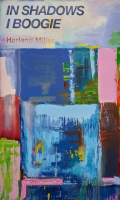
Harland Miller
In Shadows I Boogie, 2019
Limited Edition Print
Mixed Media
USD 40,000 - 50,000
Harland Miller
Armageddon Is It Too Much To Ask?, 2017
Limited Edition Print
Mixed Media
USD 22,000
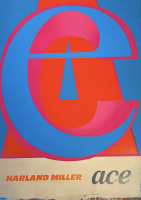
Harland Miller
Ace, 2019
Limited Edition Print
Mixed Media
USD 25,000
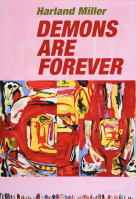
Harland Miller
Demons Are Forever, 2024
Limited Edition Print
Relief Printing
Inquire For Price
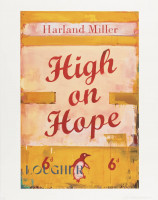
Harland Miller
High On Hope, 2019
Limited Edition Print
Screen-print
GBP 15,000 - 20,000
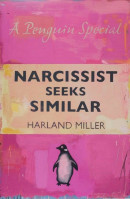
Harland Miller
Narcissist Seeks Similar (Large), 2021
Limited Edition Print
Relief Printing
GBP 40,000 - 50,000
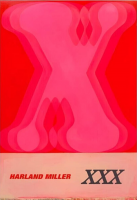
Harland Miller
XXX, 2023
Limited Edition Print
Silkscreen
Inquire For Price
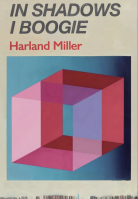
Harland Miller
In Shadows I Boogie - Blue, 2019
Limited Edition Print
Etching
GBP 5,000 - 7,000
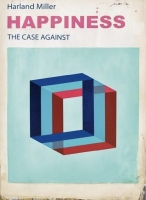
Harland Miller
Happiness (small), 2017
Limited Edition Print
Intaglio
Inquire For Price

Harland Miller
Hell... It's Only Forever 1 (Large), 2020
Limited Edition Print
Woodcut
USD 25,000 - 35,000
Related Artists


Related Articles

Artists - May 10, 2024
Robert Longo's 'Men in the Cities': A Dynamic Reflection of Urban Life
Explore Robert Longo's Men in the Cities! This iconic series captures the tension of urban life with dynamic, emotionally charged portrayals of modern figures. Read More

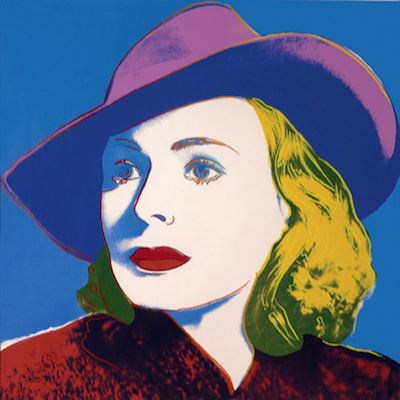
What is pop-art?
Pop Art is an art movement that began in Britain in 1955 and in the late 1950s in the U.S. It challenged traditional fine arts by incorporating imagery from popular culture, such as news, advertising, and comic books. Pop Art often isolates and recontextualizes materials, combining them with unrelated elements. The movement is more about the attitudes and ideas that inspired it than the specific art itself. Pop Art is seen as a reaction against the dominant ideas of Abstract Expressionism, bringing everyday consumer culture into the realm of fine art.