Details
Artist
Styles
Unsigned. Dated and numbered - Screenprint on paper // Pulp Fiction by Banksy is a limited edition screen print from 2004, depicting the famous characters Vincent Vega and Jules Winnfield from the iconic movie Pulp Fiction. In Banksy's satirical twist, the duo are seen pointing bright yellow bananas instead of guns, a playful and irreverent reinterpretation of the famous scene. The contrast of the black-and-white figures against the vibrant bananas brings humor to the scene while commenting on the absurdity of violence and the glamorization of crime in popular culture. This unsigned print, part of a dated and numbered edition, reflects Banksy’s typical use of pop culture references to make bold social statements.
Pulp Fiction (unsigned), 2004
form
Medium
Size
50 x 70 cm
- Inches
- Centimeters
Edition
Range
- USD
- EUR
- GBP
Details
Artist
Styles
Unsigned. Dated and numbered - Screenprint on paper // Pulp Fiction by Banksy is a limited edition screen print from 2004, depicting the famous characters Vincent Vega and Jules Winnfield from the iconic movie Pulp Fiction. In Banksy's satirical twist, the duo are seen pointing bright yellow bananas instead of guns, a playful and irreverent reinterpretation of the famous scene. The contrast of the black-and-white figures against the vibrant bananas brings humor to the scene while commenting on the absurdity of violence and the glamorization of crime in popular culture. This unsigned print, part of a dated and numbered edition, reflects Banksy’s typical use of pop culture references to make bold social statements.
- Recently Added
- Price (low-high )
- Price (high-low )
- Year (low-high )
- Year (high-low )
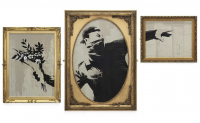
Banksy
Thrower Triptych (VIP), 2019
Limited Edition Print
Screen-print
Artwork On Hold

Banksy
Barcode (unsigned), 2004
Limited Edition Print
Screen-print
GBP 40,000 - 50,000

Banksy
No Ball Games - Grey, 2009
Limited Edition Print
Screen-print
GBP 70,000 - 80,000

Banksy
Laugh Now (unsigned), 2003
Limited Edition Print
Screen-print
GBP 40,000 - 55,000

Banksy
Precision Bombing, 2000
Limited Edition Print
Mixed Media
GBP 250,000 - 280,000

Banksy
Girl With A Balloon, 2004
Limited Edition Print
Screen-print
GBP 240,000 - 270,000

Banksy
Trolley Hunters, 2007
Limited Edition Print
Screen-print
GBP 30,000 - 40,000

Banksy
Barcode, 2004
Limited Edition Print
Screen-print
GBP 70,000 - 90,000

Banksy
Sale Ends (v2), 2017
Limited Edition Print
Screen-print
GBP 28,000 - 35,000

Banksy
Four Soup Cans - Gold On Cream, 2005
Limited Edition Print
Screen-print
GBP 50,000 - 70,000

Banksy
Girl With A Balloon (unsigned), 2004
Limited Edition Print
Screen-print
GBP 90,000 - 110,000

Banksy
Heavy Weaponry, 2004
Limited Edition Print
Mixed Media
GBP 150,000 - 170,000

Banksy
Pulp Fiction (unsigned), 2004
Limited Edition Print
Screen-print
GBP 40,000 - 50,000

Banksy
Grannies, 2006
Limited Edition Print
Silkscreen
USD 32,000 - 38,000

Banksy
Morons (Sepia), 2007
Limited Edition Print
Screen-print
USD 80,000 - 95,000

Banksy
Turf War , 2003
Limited Edition Print
Screen-print
GBP 34,800

Banksy
Applause, 2006
Limited Edition Print
Screen-print
Currently Not Available
Related Artists


Related Articles

Art Movements - June 23, 2023
Graffiti Time Lines on Urban Murals: Uncovering a Street Art Makeover
Explore the evolution of graffiti and street art, from urban murals to mainstream galleries. Discover artists and works reshaping public spaces worldwide. Read More

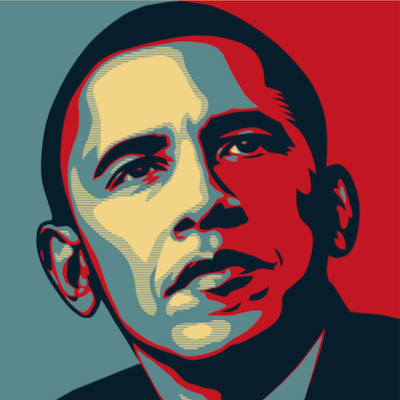
What is appropriation?
Appropriation in art involves using pre-existing images or objects with little or no modification. This technique has played a significant role across various art forms, including visual arts, music, performance, and literature. In visual arts, appropriation refers to the practice of adopting, sampling, recycling, or borrowing elements—or even entire forms—of existing visual culture, integrating them into new works to create meaning or critique.