Details
Artist
Styles
Ditone print - Signed and numbered on the back // Woman Crying (Comic) by Anne Collier, created in 2020, is a limited edition ditone print measuring 37.1 x 45 cm. This piece features a close-up image of a teary eye, taken from a comic book, which highlights Collier's method of appropriating and recontextualizing popular culture imagery. By isolating and magnifying this single moment of emotion, Collier invites viewers to engage with the portrayal of sadness and its representation within mass media. The use of bold lines and halftone dots preserves the aesthetic of classic comic art, while the subject's emotional intensity encourages reflection on the ways we perceive and relate to such dramatized depictions of feeling.
Woman Crying (Comic), 2020
form
Medium
Size
37.1 x 45 cm
- Inches
- Centimeters
Edition
Range
- USD
- EUR
- GBP
Details
Artist
Styles
Ditone print - Signed and numbered on the back // Woman Crying (Comic) by Anne Collier, created in 2020, is a limited edition ditone print measuring 37.1 x 45 cm. This piece features a close-up image of a teary eye, taken from a comic book, which highlights Collier's method of appropriating and recontextualizing popular culture imagery. By isolating and magnifying this single moment of emotion, Collier invites viewers to engage with the portrayal of sadness and its representation within mass media. The use of bold lines and halftone dots preserves the aesthetic of classic comic art, while the subject's emotional intensity encourages reflection on the ways we perceive and relate to such dramatized depictions of feeling.
- Recently Added
- Price (low-high )
- Price (high-low )
- Year (low-high )
- Year (high-low )

Anne Collier
Woman Crying (Comic), 2020
Limited Edition Print
Mixed Media
GBP 3,000 - 5,000

Anne Collier
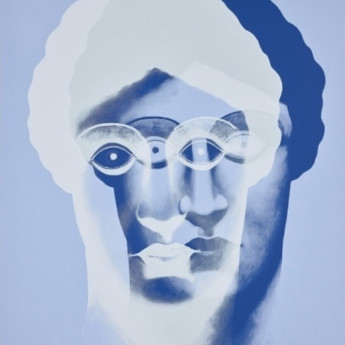
Double Exposure, 2011
Photography
C-Print
Currently Not Available
Related Artists


Related Articles

Popular, Artists - October 05, 2022
10 Women in 20th Century Art
Explore the contributions of 10 influential women in 20th-century art, from Louise Bourgeois to Cindy Sherman. Discover their groundbreaking creativity and legacy. Read More
What is pop-art?
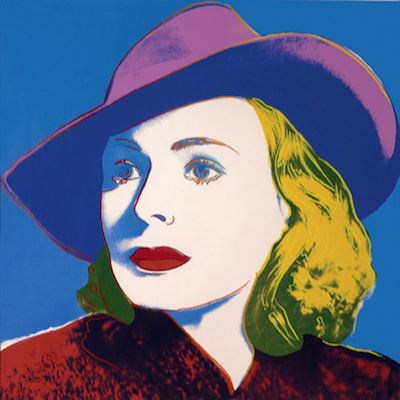
Pop Art is an art movement that began in Britain in 1955 and in the late 1950s in the U.S. It challenged traditional fine arts by incorporating imagery from popular culture, such as news, advertising, and comic books. Pop Art often isolates and recontextualizes materials, combining them with unrelated elements. The movement is more about the attitudes and ideas that inspired it than the specific art itself. Pop Art is seen as a reaction against the dominant ideas of Abstract Expressionism, bringing everyday consumer culture into the realm of fine art.