

Developing Your Eye: A Practical Guide to Refining Taste in Art
By Emilia Novak
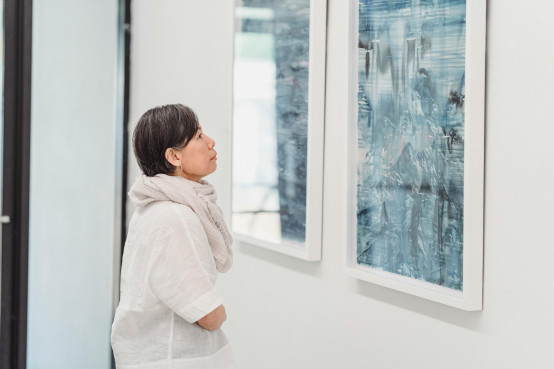
Art, in its myriad forms and expressions, holds a mirror to our inner sensibilities. The ability to discern and appreciate the subtleties within various artworks—often referred to as having an “eye” for art—is not an innate talent but a cultivated skill. This article outlines practical methods to enhance your capacity to evaluate and enjoy art, ultimately helping you to understand what resonates with you and why.
Introduction: Why “Having an Eye” Matters
Developing a refined taste in art enriches one’s cultural experience and personal growth. Beyond mere aesthetic pleasure, a well-honed artistic sensibility enables individuals to engage with art more deeply, appreciating not only its visual appeal but also the historical, social, and philosophical contexts in which it was created. A developed eye fosters critical thinking and personal expression, serving as a lifelong asset in both private enjoyment and professional pursuits.
Exposure to Art
Visiting Museums, Galleries, and Art Fairs
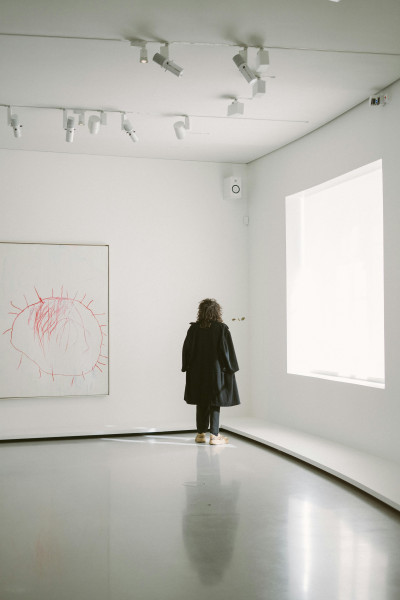
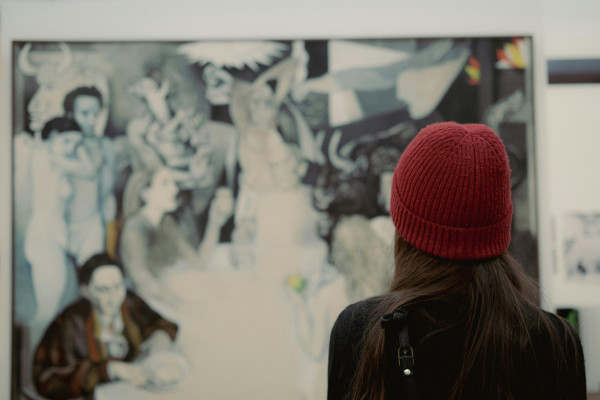
A broad exposure to diverse art forms is paramount. Regular visits to museums, galleries, and art fairs allow you to encounter a wide range of styles, mediums, and cultural narratives. Each venue offers a unique perspective:
• Museums provide access to historical masterpieces and curated collections that place artworks within a broader cultural and historical context.
• Galleries often feature contemporary works that push the boundaries of traditional art, inviting viewers to consider modern interpretations and innovations.
• Art Fairs create dynamic environments where emerging artists display their work, providing an opportunity to observe trends and fresh perspectives.
This varied exposure not only broadens your visual vocabulary but also challenges your preconceptions, prompting a deeper and more nuanced understanding of art.
Learning Art Basics
Studying Styles, Movements, and Techniques
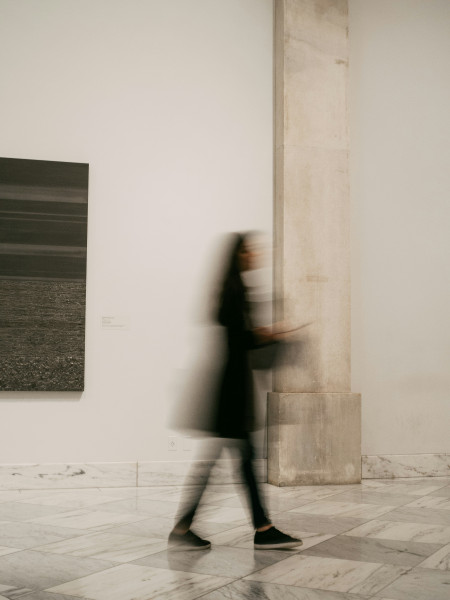
An informed approach to art appreciation begins with a solid foundation in art history and theory. Familiarity with different styles, movements, and techniques equips you with the analytical tools necessary to decode artistic expressions:
• Art History Fundamentals: Understanding key periods such as the Renaissance, Baroque, Impressionism, and Modernism contextualizes the evolution of artistic practices.
• Techniques and Mediums: Learning about different methods—whether oil painting, sculpture, or mixed media—allows you to appreciate the craftsmanship and technical expertise involved.
• Critical Analysis: Studying art theory and criticism can further refine your interpretative skills, enabling you to engage with art on both an intellectual and emotional level.
Engaging with educational resources, attending lectures, and participating in guided tours are effective strategies to deepen your understanding and appreciation of art’s rich tapestry.
Trusting Your Instincts vs. Seeking Expert Opinions
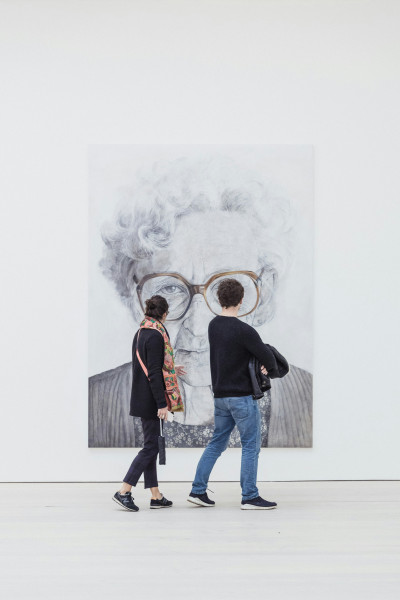
The journey toward developing your eye is inherently personal. While expert opinions and critical analyses offer valuable insights, it is essential to balance these perspectives with your own intuitive responses:
• Personal Instincts: Your initial emotional reaction to a piece of art can reveal much about your personal taste. Trusting your instincts allows you to remain authentic in your art appreciation.
• Expert Insights: Critics, curators, and art historians provide contextual and technical analyses that can enrich your understanding. Engaging with their work helps bridge the gap between subjective impressions and established art theories.
Striking a balance between personal preference and expert critique encourages a holistic approach to art appreciation, fostering both individual interpretation and a broader contextual understanding.
 Exercises to Train Your Eye
Comparing Works and Keeping an Art Journal
Developing a keen artistic eye requires active engagement and consistent practice. Here are some exercises to consider:
• Comparative Analysis: Regularly compare works of art from different periods, styles, or cultures. Note similarities and differences in technique, composition, and thematic content. This practice sharpens your ability to discern subtle nuances and deepens your interpretative skills.
• Art Journaling: Maintain a dedicated art journal where you record your observations, emotional reactions, and critical thoughts. Over time, your journal becomes a reflective tool that documents the evolution of your tastes and insights.
• Group Discussions and Workshops: Participating in discussions with fellow art enthusiasts or attending workshops can expose you to diverse perspectives, challenging your assumptions and broadening your interpretive framework.
Such exercises encourage a systematic approach to art appreciation, turning casual observation into a disciplined practice that evolves with continued exposure and reflection.
 Conclusion: An Ongoing Journey
Refining your taste in art is not a destination but a continuous journey of exploration and growth. With each museum visit, study session, and reflective journal entry, you develop a more sophisticated understanding of art and, by extension, of yourself. Embrace the process, allowing both your instincts and acquired knowledge to guide you. Over time, the gradual refinement of your artistic sensibility will not only enhance your enjoyment of art but also enrich your broader cultural and intellectual life.
By committing to this ongoing process, you cultivate a deeper, more personal connection to the art world—a journey that promises continual discovery and enduring satisfaction.
By Emilia Novak
Art, in its myriad forms and expressions, holds a mirror to our inner sensibilities. The ability to discern and appreciate the subtleties within various artworks—often referred to as having an “eye” for art—is not an innate talent but a cultivated skill. This article outlines practical methods to enhance your capacity to evaluate and enjoy art, ultimately helping you to understand what resonates with you and why.
Introduction: Why “Having an Eye” Matters
Developing a refined taste in art enriches one’s cultural experience and personal growth. Beyond mere aesthetic pleasure, a well-honed artistic sensibility enables individuals to engage with art more deeply, appreciating not only its visual appeal but also the historical, social, and philosophical contexts in which it was created. A developed eye fosters critical thinking and personal expression, serving as a lifelong asset in both private enjoyment and professional pursuits.
Exposure to Art
Visiting Museums, Galleries, and Art Fairs
A broad exposure to diverse art forms is paramount. Regular visits to museums, galleries, and art fairs allow you to encounter a wide range of styles, mediums, and cultural narratives. Each venue offers a unique perspective:
• Museums provide access to historical masterpieces and curated collections that place artworks within a broader cultural and historical context.
• Galleries often feature contemporary works that push the boundaries of traditional art, inviting viewers to consider modern interpretations and innovations.
• Art Fairs create dynamic environments where emerging artists display their work, providing an opportunity to observe trends and fresh perspectives.
This varied exposure not only broadens your visual vocabulary but also challenges your preconceptions, prompting a deeper and more nuanced understanding of art.
Learning Art Basics
Studying Styles, Movements, and Techniques
An informed approach to art appreciation begins with a solid foundation in art history and theory. Familiarity with different styles, movements, and techniques equips you with the analytical tools necessary to decode artistic expressions:
• Art History Fundamentals: Understanding key periods such as the Renaissance, Baroque, Impressionism, and Modernism contextualizes the evolution of artistic practices.
• Techniques and Mediums: Learning about different methods—whether oil painting, sculpture, or mixed media—allows you to appreciate the craftsmanship and technical expertise involved.
• Critical Analysis: Studying art theory and criticism can further refine your interpretative skills, enabling you to engage with art on both an intellectual and emotional level.
Engaging with educational resources, attending lectures, and participating in guided tours are effective strategies to deepen your understanding and appreciation of art’s rich tapestry.
Trusting Your Instincts vs. Seeking Expert Opinions
The journey toward developing your eye is inherently personal. While expert opinions and critical analyses offer valuable insights, it is essential to balance these perspectives with your own intuitive responses:
• Personal Instincts: Your initial emotional reaction to a piece of art can reveal much about your personal taste. Trusting your instincts allows you to remain authentic in your art appreciation.
• Expert Insights: Critics, curators, and art historians provide contextual and technical analyses that can enrich your understanding. Engaging with their work helps bridge the gap between subjective impressions and established art theories.
Striking a balance between personal preference and expert critique encourages a holistic approach to art appreciation, fostering both individual interpretation and a broader contextual understanding.
Comparing Works and Keeping an Art Journal
Developing a keen artistic eye requires active engagement and consistent practice. Here are some exercises to consider:
• Comparative Analysis: Regularly compare works of art from different periods, styles, or cultures. Note similarities and differences in technique, composition, and thematic content. This practice sharpens your ability to discern subtle nuances and deepens your interpretative skills.
• Art Journaling: Maintain a dedicated art journal where you record your observations, emotional reactions, and critical thoughts. Over time, your journal becomes a reflective tool that documents the evolution of your tastes and insights.
• Group Discussions and Workshops: Participating in discussions with fellow art enthusiasts or attending workshops can expose you to diverse perspectives, challenging your assumptions and broadening your interpretive framework.
Such exercises encourage a systematic approach to art appreciation, turning casual observation into a disciplined practice that evolves with continued exposure and reflection.
Refining your taste in art is not a destination but a continuous journey of exploration and growth. With each museum visit, study session, and reflective journal entry, you develop a more sophisticated understanding of art and, by extension, of yourself. Embrace the process, allowing both your instincts and acquired knowledge to guide you. Over time, the gradual refinement of your artistic sensibility will not only enhance your enjoyment of art but also enrich your broader cultural and intellectual life.
By committing to this ongoing process, you cultivate a deeper, more personal connection to the art world—a journey that promises continual discovery and enduring satisfaction.



Related Articles

Collecting - May 05, 2025
Art Investment 101: Balancing Passion and Portfolio in Collecting
Discover how art collecting blends passion and investment strategy, with tips on market trends, artist selection, and portfolio diversification. Read More

Related Artworks You Might Like

Fernandez Arman
Inside Story, 1977
Limited Edition Print
Lithograph
EUR 640

Red Grooms
Mr. Chuck Berry, 1978
Limited Edition Print
Collage
Inquire For Price

Robert Indiana
First Love, 1991
Limited Edition Print
Aquatint
USD 3,575