
What is Giclée printing?
- Show All
- Established
- Discoveries
- Show All
Artworks Related to Giclée printing
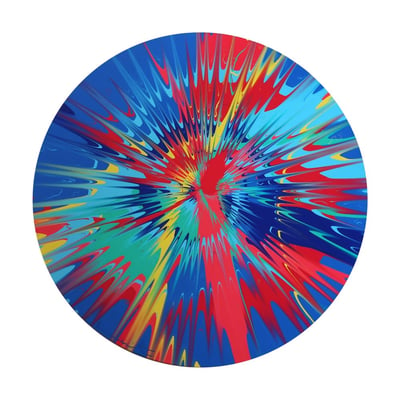
Damien Hirst
The Beautiful Painting (large) - #297, 2023
Painting
Giclée printing
EUR 12,000
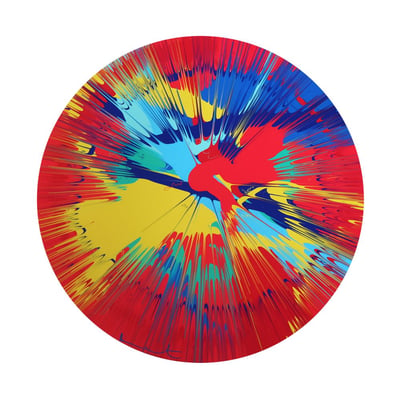
Damien Hirst
The Beautiful Painting (large) - #204, 2023
Painting
Giclée printing
EUR 12,000
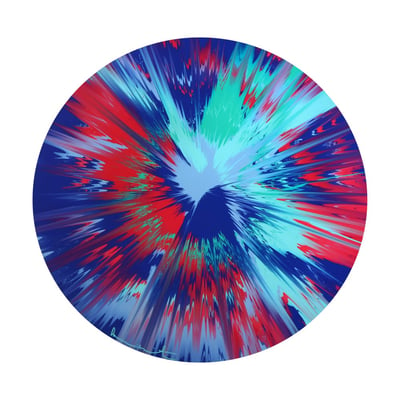
Damien Hirst
The Beautiful Painting (large) - #1410, 2023
Painting
Giclée printing
EUR 12,000

Zhang Huan
Shanghai Family Tree, 2023
Photography
Giclée printing
Currently Not Available
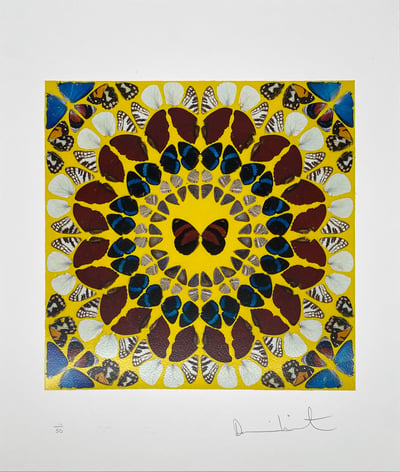
Damien Hirst
Miracle, 2015
Limited Edition Print
Giclée printing
USD 7,950
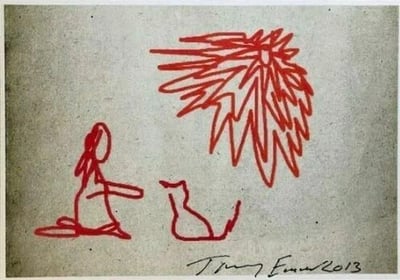
Tracey Emin
Nativity series (cat), 2013
Limited Edition Print
Giclée printing
GBP 900
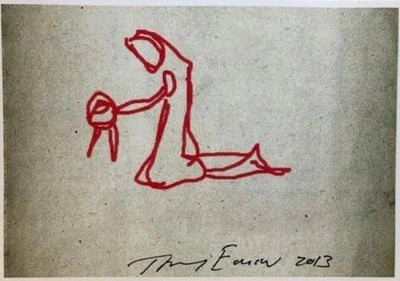
Tracey Emin
Nativity series (kneeling), 2013
Limited Edition Print
Giclée printing
GBP 950
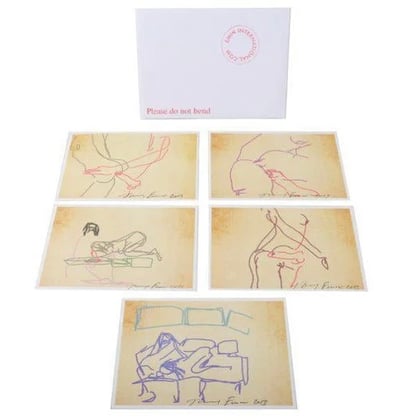
Tracey Emin
The Sex Series (set of 5), 2013
Limited Edition Print
Giclée printing
GBP 6,850
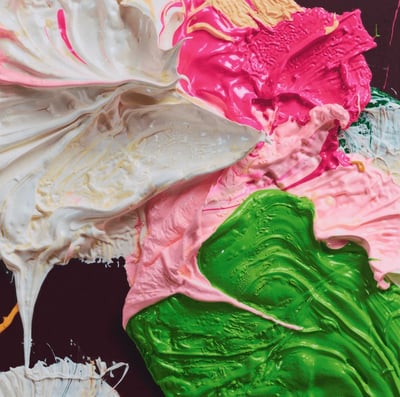
Damien Hirst
Forever (small), 2020
Limited Edition Print
Giclée printing
GBP 1,200
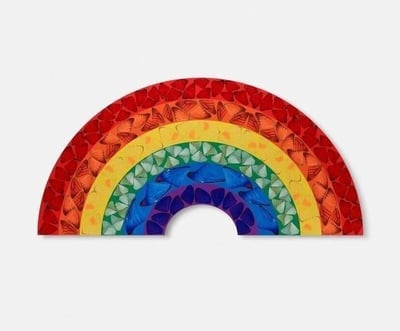
Damien Hirst
Rainbow - Small, 2020
Limited Edition Print
Giclée printing
GBP 2,120

Damien Hirst
The Currency Unique Print (H11), 2022
Limited Edition Print
Giclée printing
GBP 10,700
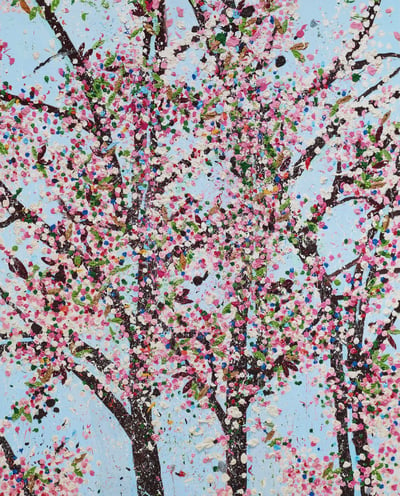
Damien Hirst
Control – H9-8 (The Virtues), 2021
Limited Edition Print
Giclée printing
EUR 17,500

Damien Hirst
H12-5 (X-Large), 2023
Limited Edition Print
Giclée printing
GBP 12,000 - 16,000
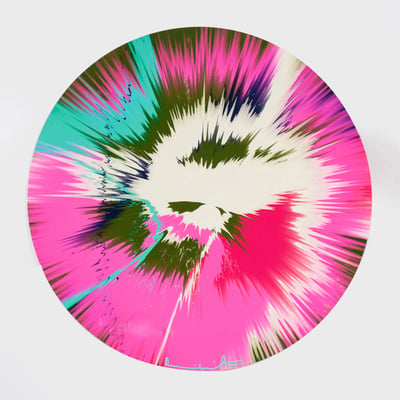
Damien Hirst
H12-2 (Large), 2023
Limited Edition Print
Giclée printing
GBP 7,000 - 10,000
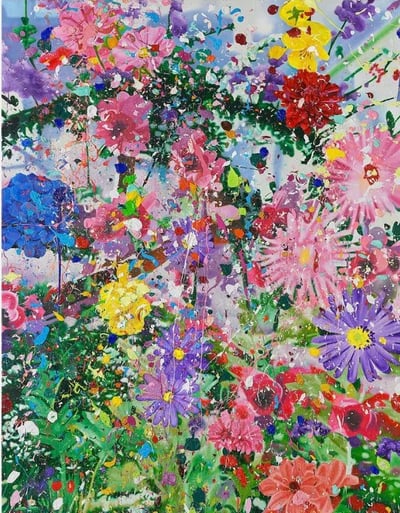
Damien Hirst
H14-1 Realisation (from the Secrets), 2024
Limited Edition Print
Giclée printing
GBP 7,800
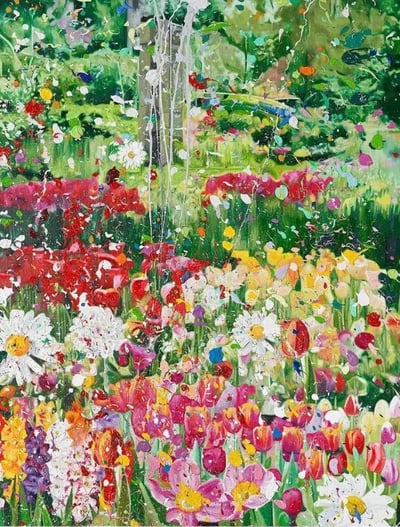
Damien Hirst
H14-4 Wisdom (from the Secrets), 2024
Limited Edition Print
Giclée printing
GBP 7,800
Related Articles
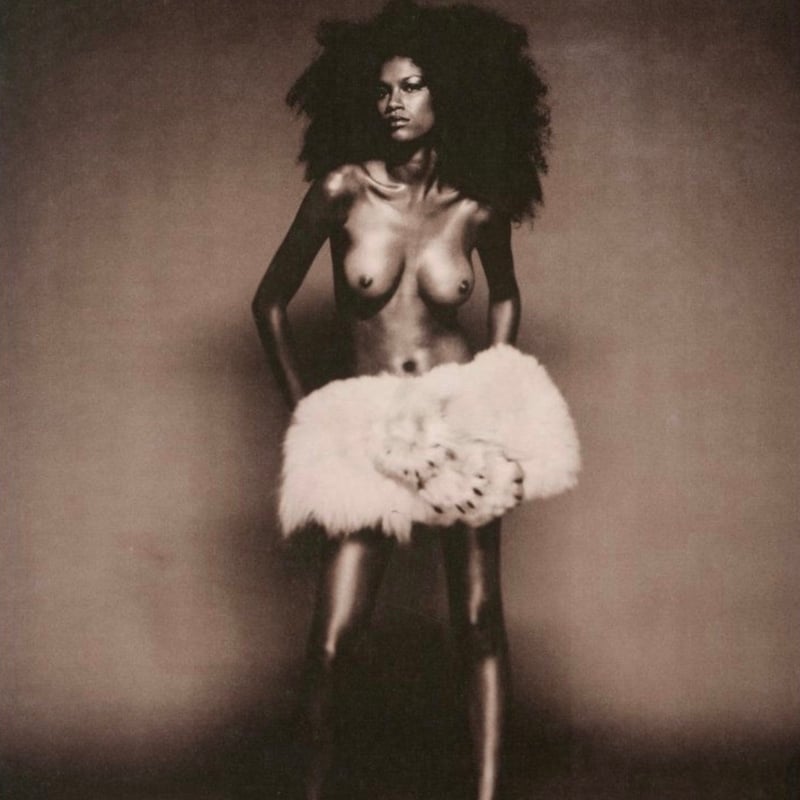


Emulation is the process of recreating digital art to ensure it remains accessible and functional, even when the original technology used to create it becomes obsolete. This is done by using newer technology to replicate the experience and functionality of the original artwork, preserving art made with early cameras, software, and computers.
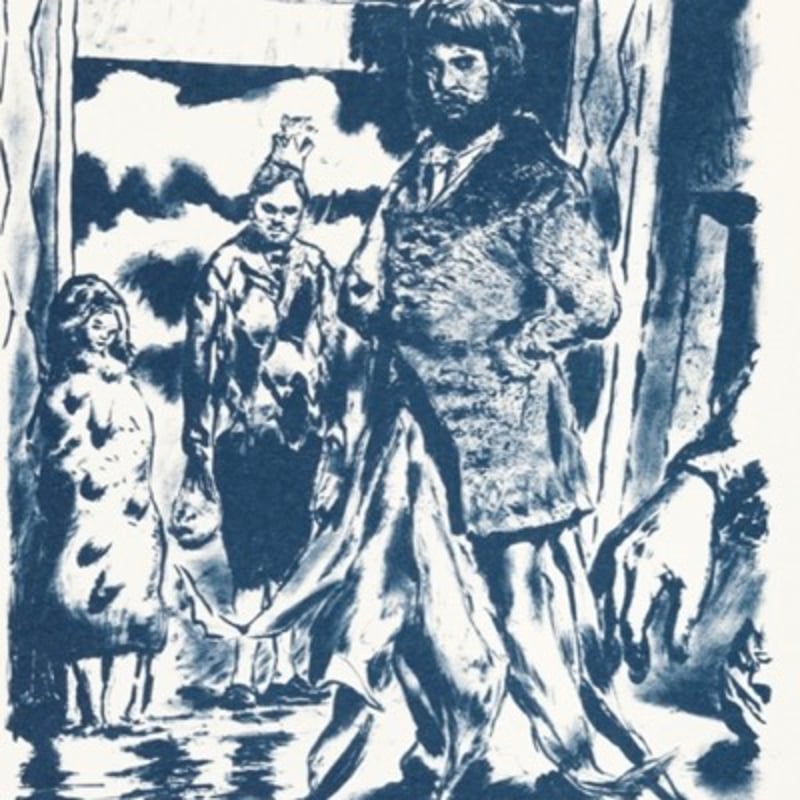
The New Leipzig School is a movement in modern German painting that represents the third generation of artists associated with the Hochschule für Grafik und Buchkunst Leipzig. This movement reflects the post-reunification landscape of Germany. Unlike the first generation of Leipzig painters, the third generation does not have clear, defined characteristics or messages. Instead, their work blends figurative and abstract elements, placing a strong emphasis on creativity and experimentation.
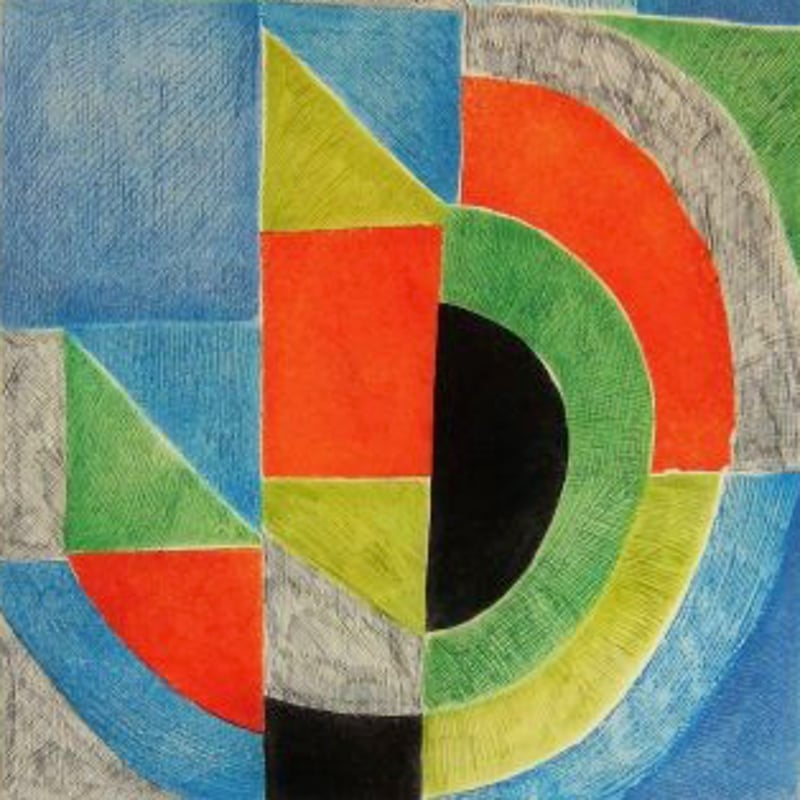
Réalités Nouvelles means new realities and refers to an exhibiting society founded in 1939 in Paris by Sonia Delaunay. The Salon des Réalités Nouvelles was dedicated to promoting abstract art, which it considered to be a new reality because it does not imitate the existing physical world. The movement emphasized that abstract art creates its own reality, independent of the external world, and played a significant role in the development and recognition of abstract art in the mid-20th century.
Can't find your Answer?
Thank you! Your question has been sent — we'll get back to you shortly.
