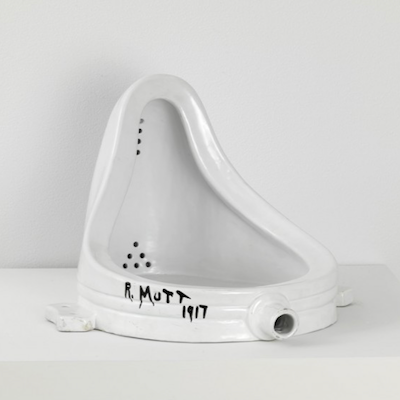
What is anti-art?
Anti-Art refers to artwork that challenges traditional definitions of art. The term is often attributed to artist Marcel Duchamp, who pioneered the use of readymades—everyday objects presented as art. These works defied conventional expectations that art should adhere to traditional or high art standards.
Show All
- Show All
- Established
- Discoveries
Show All
ARTWORKS RELATED TO ANTI-ART

Man Ray
Le Violon d'Ingres, 1968
Limited Edition Print
Lithograph
EUR 5,000

Man Ray
The Rebus, 1926
Photography
Gelatin Silver Print
EUR 6,500

Man Ray
La Montagna di Cristallo, 1971
Limited Edition Print
Lithograph
EUR 2,400

Man Ray
Invasion de l'espace, 1974
Limited Edition Print
Lithograph
EUR 2,300

Man Ray
Masque, 1971
Sculpture / Object
Bronze
USD 9,750

Man Ray
La Palette, 1944
Painting
Oil on paper
Inquire For Price

Man Ray
À l’heure de l’observatoire – Les amoureux, 1970
Limited Edition Print
Lithograph
EUR 38,500

Man Ray
Untitled (from On the Origin of Species by Irrational Selection), 1971
Limited Edition Print
Lithograph
USD 1,250

Man Ray
Cadeau (special edition), 1921-1974
Sculpture / Object
Metal
EUR 14,250

Man Ray
Cactus Diamond , 1969
Limited Edition Print
Silkscreen
EUR 4,850

Man Ray
Rue Férou, 1974
Limited Edition Print
Lithograph
EUR 2,500

Man Ray
La Fortune II, 1973
Limited Edition Print
Lithograph
EUR 4,250

Man Ray
Incompris, 1962
Limited Edition Print
Lithograph
EUR 3,660

Man Ray
Tre Figure, 1968
Limited Edition Print
Lithograph
EUR 3,450

Marcel Duchamp
La Mariée (The bride), 1934
Limited Edition Print
Aquatint
Currently Not Available

Man Ray
La Ballade des dames hors du temps, Natasha, 1971
Limited Edition Print
Etching and Aquatint
EUR 3,125
Related Articles

Popular, Art Movements - January 24, 2025
Exploring Dadaism: Art in the Absurd
Discover Dadaism, the radical 20th-century art movement that challenged norms with absurdity and defiance. Explore its origins, techniques, and lasting legacy. Read More


Found objects (or objet trouvé in French) are everyday items that an artist finds and incorporates into a work of art. While collectors have displayed aesthetically pleasing objects for centuries, modern art often uses objects that originally had non-artistic functions, such as recycled or repurposed materials.
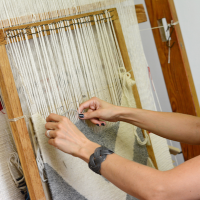
Tapestry is a heavy, handwoven textile featuring intricate designs or images woven directly into the fabric. Created by skilled weavers using materials like wool, linen, cotton, silk, and sometimes silver and gold threads, tapestries have historically served as art pieces, decorations, insulation, and symbols of authority.