What is a Print Proof?
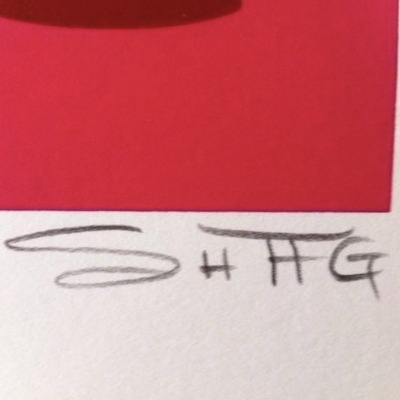
A print proof refers to any test impressions made from a printing plate or block to check the image quality before the final print is completed. These proofs are used as quality checks to ensure that the details and alignment are correct. Different types of proofs, such as artist's proofs or trial proofs, serve specific purposes during the printmaking process.
Show All
- Show All
- Established
- Discoveries
Show All
Related Articles

Popular, Collecting - May 01, 2022
A Guide to Print Editions Acronyms
Understand print edition acronyms like A/P, B.A.T., and H.C. Learn their meanings and how they affect the value and authenticity of collectible art prints. Read More

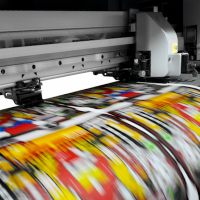
Computer printing involves using computer technology to reproduce fine art images as prints. In its basic form, this means creating digital versions of artwork that are printed onto paper. More advanced techniques allow artists to program computers to generate original art, which is then printed using various printing technologies.
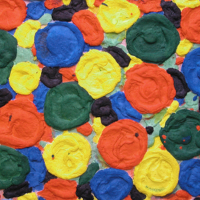
Aquagravure is a technique that combines multiple processes. It involves compressing wet paper pulp in a carved wood mold until the water drains off. The compressed paper is then painted, and ink is added to the mold to print onto the painted paper. The final work is allowed to dry. This method results in a unique textural and visual effect, blending elements of printmaking and papermaking.