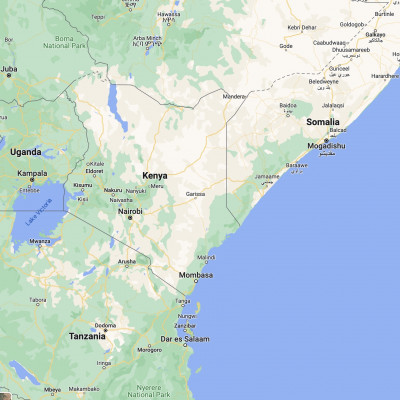
Kenya
Kenya's contemporary art scene combines traditional aesthetics with fresh artistic perspectives. Nairobi's Circle Art Gallery and the Nairobi National Museum are pivotal in showcasing innovative art. Prominent Kenyan artists, like Wangechi Mutu and Michael Soi, are significantly influencing the global contemporary art scene. Discover the vibrant world of Kenyan contemporary art at Composition Gallery's website.
Show All
- Show All
- Established
- Discoveries
Show All
ARTWORKS RELATED TO KENYA

Wangechi Mutu
Homeward Bound, 2010
Limited Edition Print
Mixed Media
Currently Not Available
Related Articles

Artists, Art Movements - August 15, 2024
The Flourishing of African Art: Celebrating Diversity and Cultural Exchange in the Art World
Celebrate the diversity of African art! Explore how cultural heritage and contemporary innovation shape its global influence and vibrant future. Read More

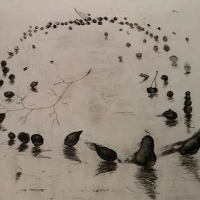
Drypoint is an intaglio printmaking technique where an image is incised onto a plate using a sharp, pointed tool, typically a needle made of metal or diamond. Traditionally, copper plates were used, but today zinc, plexiglass, or acetate are also common. Drypoint is easier for drawing artists to master compared to engraving, as the needle technique resembles drawing with a pencil rather than the more complex burin used in engraving.
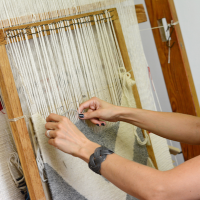
Tapestry is a heavy, handwoven textile featuring intricate designs or images woven directly into the fabric. Created by skilled weavers using materials like wool, linen, cotton, silk, and sometimes silver and gold threads, tapestries have historically served as art pieces, decorations, insulation, and symbols of authority.